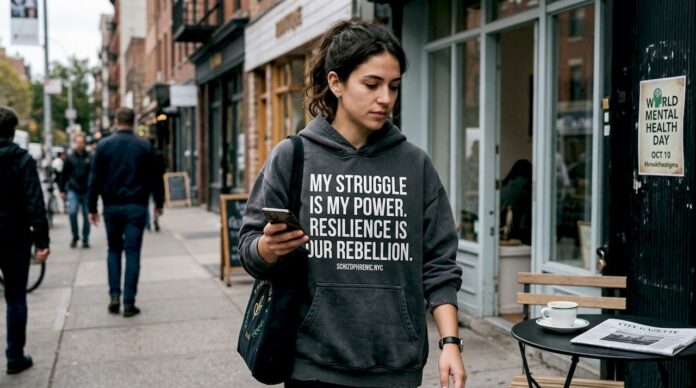
Most people still think fashion begins and ends with looking good. Pick the right color. Match your shoes. Follow the season. But something bigger is happening in streetwear and apparel right now, and it goes well beyond aesthetics. Mental health-themed fashion is turning everyday clothing into a form of advocacy, a coping tool, and a conversation starter. If you’ve been curious about what this movement actually means, how to spot genuine brands, and whether science supports the idea that what you wear can affect how you feel, this article answers all of it clearly and honestly.
Table of Contents
Key Takeaways
| Point | Details |
|---|---|
| Fashion as advocacy | Mental health-themed fashion blends style with mental health awareness, advocacy, and action. |
| Science-backed benefits | Apparel using calming materials and designs can genuinely improve mood and lower stress according to research. |
| Authenticity counts | Support brands with proven commitment to donations, partnerships, and responsible messaging. |
| Conscious consumerism | Most shoppers now prefer clothing that reflects their values and supports mental well-being. |
Defining mental health-themed fashion
With misconceptions put aside, let’s lay out exactly what mental health-themed fashion is and what it looks like.
At its core, mental health-themed fashion is apparel featuring designs, slogans, graphics, or symbols that directly address mental health topics such as anxiety, depression, resilience, or awareness, often in streetwear, hoodies, tees, and accessories. That definition covers a wide range of products and intentions. Some pieces are bold and graphic, designed to stop people mid-stride and open a conversation. Others are subtle, using color or symbol to signal solidarity with those navigating mental health challenges every day.
The formats vary widely. Here are the most common types you’ll encounter:
- Graphic tees and hoodies featuring slogans like “It’s okay not to be okay” or illustrations that visualize inner experiences
- Accessories such as pins, tote bags, bracelets, and pillboxes that carry small but meaningful messages
- Streetwear collections built around mental health themes, often tied to limited-edition drops or awareness months
- Specialty items like schizophrenia awareness apparel that go beyond common anxiety and depression messaging to address less-discussed conditions
One of the most important distinctions in this space is sincerity. Not every brand with a mental health slogan is doing meaningful work. Genuine advocacy fashion tends to include transparent giving, real partnerships with mental health organizations, and designs created with input from people who actually live with mental illness. Superficial designs, on the other hand, often borrow the language of mental health without any real investment in the community.
Popular slogans serve a real purpose. They work as ice-breakers. When someone reads “I’m fighting my brain and winning” on your hoodie, it can prompt a real conversation, maybe the kind that someone needed to have for months. That’s the power of a well-designed piece. It doesn’t just express your values. It invites others into a dialogue they might not have known how to start.
Here’s a quick comparison to help you understand the difference between meaningful and performative mental health fashion:
| Feature | Meaningful advocacy fashion | Performative fashion |
|---|---|---|
| Donation transparency | Publicly stated, verifiable | Vague or absent |
| Designer background | Often lived experience or mental health collaboration | Trend-driven |
| Community involvement | Engages mental health advocates | Limited engagement |
| Message depth | Nuanced, specific conditions addressed | Generic slogans only |
| Design process | Sensory-informed, thoughtful | Purely aesthetic |
“Fashion is one of the most accessible platforms we have. When the message is right, a single shirt can say what years of silence couldn’t.” — Michelle Hammer, founder of Schizophrenic.NYC
The edge cases in this movement matter too. Schizophrenia awareness, for example, is vastly underrepresented in mainstream mental health fashion. Most campaigns focus on anxiety and depression, which are important, but conditions like schizophrenia, bipolar disorder, and schizoaffective disorder deserve their own visible space in the conversation. That’s where specialized apparel platforms step in to fill a critical gap.
How brands and consumers drive impact
Now that we know what mental health-themed fashion looks like, let’s examine how real-world brands and shoppers create genuine impact.
The financial side of this movement is impressive, and it’s growing. Major retail donations show that brands like Pacsun with Rare Impact Fund donate 10% of sales up to $300,000 to youth mental health, American Eagle has granted $851,000 since 2024 to 67 nonprofits, and Happiness Project has donated over $400,000 to mental health charities. These aren’t small numbers. They represent real funding for therapy programs, crisis hotlines, and awareness campaigns that reach people who might not otherwise have access to support.
Consumer behavior is shifting to match this movement. A striking 78% of consumers consider the emotional impact of products in their purchases. People aren’t just shopping for style anymore. They’re asking, “Does this brand reflect who I am and what I care about?” That shift puts genuine pressure on brands to prove their commitment.
Here’s how the cycle of impact actually works:
- A consumer buys a mental health-themed piece from a brand with verified charitable giving.
- A percentage of the sale goes directly to a mental health nonprofit or fund.
- The consumer wears the piece, prompting conversations and raising visibility for the cause.
- Greater visibility attracts new buyers and supporters, expanding the funding and community base.
- Nonprofits use those funds to deliver mental health services, training, and public education.
It’s a self-reinforcing loop when done correctly. The key word there is “correctly.” Not every brand follows through at every step. That’s why consumer awareness matters as much as brand transparency.
| Brand | Initiative | Donation amount | Beneficiary |
|---|---|---|---|
| Pacsun | Rare Impact Fund | Up to $300,000 | Youth mental health |
| American Eagle | Various nonprofit grants | $851,000+ (since 2024) | 67 nonprofits |
| Happiness Project | Ongoing charity giving | $400,000+ | Mental health charities |
| Schizophrenic.NYC | Activism-integrated model | Community-driven | Schizophrenia advocacy |
What makes consumer choices even more powerful is their role in normalization. When millions of people wear apparel linked to mental health advocacy, it tells the broader culture that these conversations belong in public space, not just in therapy rooms or support groups. Brands that engage with fashion lines giving back understand that their products carry social meaning beyond the purchase.
The collaboration between brands and buyers also amplifies reach. A brand can design with intention, but it’s the everyday person wearing that piece on the subway, at work, or at a family dinner who carries the message further than any ad campaign ever could.
The science behind healing design in fashion
With the social and financial impact clear, let’s explore the deeper science behind how these garments can actually influence your mental health.

This isn’t wishful thinking. Research on multi-sensory clothing design gives us real, measurable data. Multi-sensory clothing designs that incorporate color, texture, and scent increased positive emotions from a PANAS score of 24.1 to 38.5 and reduced anxiety and depression measured by SAS from 20.3 to 13.2 compared to control groups. Natural fibers in particular lower cortisol, a key stress hormone, by up to 20%.
Those are meaningful shifts. For someone managing daily anxiety or depression, a consistent reduction in stress hormones isn’t a small thing. It’s the kind of incremental support that adds up over time.
Here’s what the research identifies as the most effective design elements:
- Natural fibers like cotton, linen, and bamboo that reduce skin irritation and lower cortisol
- Calming color palettes (soft blues, greens, and neutrals) that have measurable effects on emotional regulation
- Adjustable fits that give the wearer a sense of control, which is itself a psychological comfort
- Weighted or textured fabrics that some individuals find grounding, similar to the principle behind weighted blankets
- Minimal sensory overload in patterns, avoiding designs that cause visual stress or agitation
The nuance is important here. Not everything labeled “mental health clothing” is actually designed with these principles in mind. True healing design combines structure, pattern, material, and color for synergistic effects on a person’s sense of pleasantness and safety. Mindful design prioritizes sensory-friendly, adjustable features over chasing trends.
This matters enormously for people with conditions like schizophrenia, sensory processing differences, or severe anxiety. The wrong fabric or a chaotic print can genuinely worsen discomfort. The right piece, designed thoughtfully, can become a small but reliable source of calm in an unpredictable day.
Pro Tip: When shopping for mental health-themed apparel, look beyond the slogan and check the fabric content. Natural fibers and soft constructions aren’t just comfortable. They’re more likely to support the emotional benefits that sensory-friendly design principles are built around.
You can explore intentionally designed pieces in the mental health clothing line at Schizophrenic.NYC, where advocacy and thoughtful construction go hand in hand.
Societal impact and controversies: Real awareness or just a trend?
Beyond individual choices and scientific effects, let’s look at how these trends ripple through society, and the debates they spark.
The positive case for mental health-themed fashion is strong. Wearable advocacy normalizes discussions around mental health, empowers self-expression, funds services, and for fashion-conscious individuals blends style with meaningful purpose through premium streetwear and thoughtful accessories. When clothing makes mental health visible, it does something that education campaigns sometimes struggle to do. It meets people where they already are, in stores, on streets, in their daily lives.
The benefits show up in a few specific ways:
- Reduced stigma because seeing mental health messages in everyday spaces signals that these topics are normal and worth discussing
- Community building as people wearing similar pieces recognize each other and feel less alone
- Funding that flows directly to services, research, and advocacy through every qualifying purchase
- Personal empowerment for the wearer, who gets to own their mental health journey publicly and proudly
- Conversation starting that can lead to someone finally reaching out for help or sharing their own experience
But the movement isn’t without real criticism. Some brands are seen as using mental health as a marketing angle without any deep impact or genuine sensitivity. The concern is valid. When a company slaps “anxiety” on a hoodie without any donation model, without any consultation with mental health professionals, and without any real connection to the community, it can feel exploitative. It can also water down the message for brands that are doing the work honestly.
Pro Tip: Before you buy, ask three things. Does the brand clearly state where donations go? Do they work with mental health organizations or advocates with lived experience? Does their messaging feel respectful and specific, or just vague and trendy? Those questions alone will help you filter genuine advocacy from performance.
You can see what reducing stigma through fashion can look like when it’s done with honesty and intention. There are also people who’ve dedicated themselves to ending mental health stigma through apparel as a true life’s mission, not just a seasonal campaign.
The real test of any brand in this space is staying power. Brands that show up only during Mental Health Awareness Month and disappear the rest of the year tell you something important. Advocacy built into the entire year, the entire business model, and the entire design process is what separates the sincere from the seasonal.
Why authenticity matters more than ever in mental health fashion
With these real-world tensions in mind, here’s a candid perspective on what sets truly impactful mental health fashion apart.
Many brands have discovered that mental health is a powerful theme. But discovering a theme and genuinely serving a community are very different things. At Schizophrenic.NYC, every piece exists because someone lived something real. The designs come from lived experience, from navigating schizophrenia in a world that often misunderstands it. That’s not a marketing angle. It’s the whole point.
Superficial designs don’t just fall short. They can actually cause harm by reducing serious conditions to catchphrases. They fuel the skepticism that makes people hesitate before trusting any mental health-themed brand. When the message is thin, it dilutes the entire space for everyone trying to do meaningful work.
What makes authentic awareness apparel real is transparency, sustained giving, and genuine dialogue. It’s brands that show up in year three with the same mission as year one. It’s designs that invite real questions rather than shutting them down with a pretty slogan. Community-building, honest conversation, and accountability over time are the markers that actually matter. Support the brands that prove it.
Support the movement: Wear your values with purpose
If you’re ready to make a difference with your wardrobe, here are some ways to explore authentic mental health-themed fashion.
At Schizophrenic.NYC, every product is designed with advocacy at its center. Whether you’re looking for mental health tank tops for everyday wear or want to understand more about reducing bias and stigmas through fashion, the platform gives you options that are both bold and meaningful.

When you shop here, you’re not just picking up a piece of clothing. You’re choosing to be visible, to start conversations, and to put your values on display in a way that can genuinely reach people. Explore the mental health clothing line and find pieces that speak your truth, backed by a mission that doesn’t clock out at the end of May.
Frequently asked questions
How do I know if mental health-themed fashion is authentic?
Check if brands make clear donations, partner with real mental health organizations, and use respectful design. Insincere brands are often visible through vague giving claims, generic slogans, and no evidence of community involvement.
Can clothing really help improve my mood or mental health?
Yes, scientifically. Multi-sensory clothing designs with calming textures and colors have been shown to lift positive emotions and reduce anxiety and depression scores in controlled studies.
What are some examples of impactful mental health fashion brands?
Brands like Pacsun, American Eagle, and Happiness Project have donated hundreds of thousands of dollars to mental health causes through themed merchandise tied to verified nonprofit partnerships.
Is there criticism of mental health-themed fashion?
Yes. Some brands are viewed as using mental health messaging primarily for marketing purposes with little genuine sensitivity or community impact, so doing your research before purchasing is always worth the effort.
Recommended
Comments