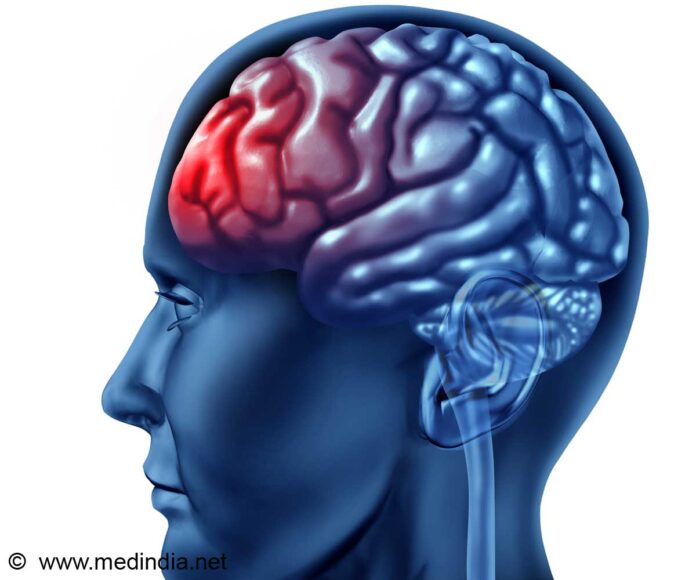
A man with nearly no brain tissue lived a normal life, challenging science’s understanding of consciousness and neuroplasticity.
A 44-year-old French man who had lost almost 90% of his brain was leading a normal life, according to a 2007 article in The Lancet, one of the most perplexing medical cases ever documented. When doctors found that the man’s brain was mostly made of fluid, he was a civil servant, a married father of two, and had a slight weakness in his leg (1✔ ✔Trusted Source
Scientists research man missing 90% of his brain who leads a normal life
Go to source
)!
The Condition Behind It: Hydrocephalus
Due to a disorder known as hydrocephalus, which results in fluid accumulation in the brain, doctors discovered that the man’s skull was filled with cerebrospinal fluid. The remaining brain tissue was severely compressed, leaving only a thin layer. His IQ of 75, which is marginally below average but sufficient for everyday social and professional activities, allowed him to lead a functional life in spite of this.
What Scientists Learned About the Brain
Cognitive psychologist Axel Cleeremans said the case reveals how adaptable the human brain truly is. Even when most of it is gone, the remaining tissue can reorganise and take over essential functions — a phenomenon known as neuroplasticity.
“It is truly incredible that the brain can continue to function with far fewer neurons than usual,” said Cleeremans. “This case shows that plasticity is more pervasive than we thought.”
Rethinking Consciousness
The case of the Frenchman calls into question long-held beliefs about what causes consciousness. According to Cleeremans, our capacity for learning and adaptation may determine our level of awareness rather than the amount of brain tissue we possess. This case is still among the best evidence that consciousness may arise from the way the brain interprets experiences rather than just its anatomical makeup.
This amazing tale serves as a reminder of the resiliency of the human brain. Even in harsh circumstances, it adjusts, rearranges, and discovers new ways to operate. Instead of becoming a disability that would have changed someone’s life, it became evidence of the power of neuroplasticity and the mystery of the mind.
References:
- Scientists research man missing 90% of his brain who leads a normal life – (https://www.cbc.ca/radio/asithappens/as-it-happens-thursday-edition-1.3679117/scientists-research-man-missing-90-of-his-brain-who-leads-a-normal-life-1.3679125)
Source-CBC radio