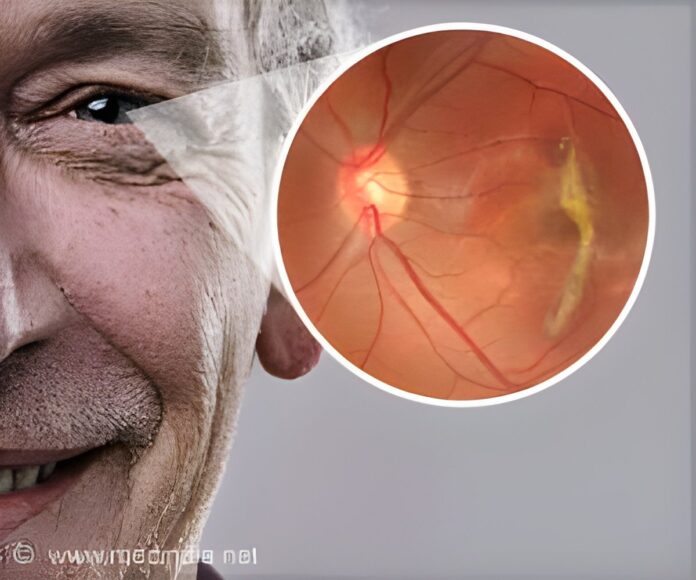
Laser photocoagulation helps control vision loss caused by macular degeneration.
- Laser photocoagulation helps slow vision loss in people with wet age-related macular degeneration
- The laser seals leaking blood vessels beneath the macula to prevent further damage
- While it may cause a small blind spot, it can stabilize overall vision and reduce long-term deterioration
Laser photocoagulation is a type of laser eye surgery. It is used to treat age-related macular degeneration (AMD) (1). AMD can cause vision loss.
The retina is a layer of nerve cells in the back of your eye. It converts light into electrical signals. Your retina then transmits these impulses to your brain. AMD affects the macula. The macula is the sensitive, center portion of your retina. This region is responsible for detailed vision in the middle of your visual field. AMD affects the macula. Blood vessels may develop behind your macula. This causes blood and liquids to leak beneath it. This extra blood and fluid might cause visual loss.
Before the surgery, you are given an anesthetic eye drop. An eye care professional then uses a special lens to direct a strong beam of light at the aberrant blood vessels beneath the macula. This causes burns in small areas of the macula. This closes off the leaking blood vessels. This can help prevent further eyesight loss.
Types of Age-Related Macular Degeneration
There are two forms of AMD: moist and dry. Abnormal blood vessel growth is limited to the wet type. Laser photocoagulation treatment is only recommended for wet types. Laser photocoagulation is only a possibility for some patients with wet AMD. If your aberrant blood vessels are densely packed, your eye doctor may recommend the treatment. If you have scattered vessels, the surgery is less effective. It’s also less useful if they’re in the center of the macula. If your eyesight loss occurs quickly rather than gradually, your eye care specialist may be more inclined to recommend the operation.
Other AMD therapy methods include medications injected into the eye to reduce aberrant blood vessel growth. Your eye doctor may recommend injectable medications and laser photocoagulation. Consult your provider about the risks and advantages of all of your treatment options.
Hazards of Laser Photocoagulation for Age-Related Macular Degeneration
During laser photocoagulation, the eye doctor burns a portion of the macula. This sometimes results in additional visual loss. You can have a blind patch where the laser leaves a scar. In some circumstances, this vision loss may be greater than the potential vision loss from not treating the eye. This is important to consider before opting to have the operation.
There are additional dangers associated with the surgery. This includes:
- Accidental treatment of the central macula results in a worse blind area.
- Bleeding into the eyes
- Damage to the retina from the laser scar, immediately or years later.
- There is also a possibility that the aberrant blood vessels will grow again. If this happens, you may have to repeat the procedure.
Your risk factors may vary depending on your age, general health, and type of AMD. Ask your eye doctor which dangers are most relevant to you.
How Should I Prepare for Laser Photocoagulation for Age-Related Macular Degeneration
Ask your eye doctor what you need to do to prepare for laser photocoagulation. Ask your eye care physician if you need to stop taking any medications prior to the operation.
Your eye care professional may wish to use special tools to shine a light in your eye and examine the back of it. Your pupils will need to be dilated (enlarged) for this eye exam. To learn more about your eye, you may need to undergo additional testing.
Before the treatment, eye drops will be used to dilate your pupil. It will remain dilated for several hours following the surgery.
What Happens During Laser Photocoagulation for Age-Related Macular Degeneration?
This is an outpatient operation performed at an eye care provider’s office. This means you’ll return home afterward. During a typical procedure:
- You may be offered medications to help you relax. To ensure that you do not feel anything, your eye care specialist will administer anesthetic eye drops and injections.
- Your doctor will apply a unique type of contact lens to the surface of the damaged eye. This lens assists in focusing a laser light beam on the retina using a slit lamp.
- The laser is used by the eye care specialist to close the aberrant blood vessels under the macula.
- Your eye may be covered for a short time following the treatment.
What Happens After Laser Photocoagulation for Age-Related Macular Degeneration?
Inquire with your eye care physician about what to expect after your procedure. You will be able to return home the same day. Plan to have someone accompany you home following the surgery.
Follow your eye care provider’s instructions for eye care and medication. Your eye may be a little painful following the treatment. However, you should be able to take over-the-counter pain relievers as advised. You may need to wear an eye patch or dark glasses for a day or two. Ask your doctor if you should avoid specific activities while you heal.
You will require close follow-up care from your eye care physician. They’ll keep an eye out for potential issues. The provider will continue to manage your AMD treatment. If you have diminished vision, contact your physician right once. Or if you have increased eye redness, swelling, or pain.
Your vision may be impaired following surgery. Remember that surgery often results in temporary eyesight loss. In the long run, it may help keep your vision from deteriorating.
Frequently Asked Questions
Which doctor should I consult for age-related macular degeneration?
Consult an ophthalmologist for treating age-related macular degeneration.
What is laser photocoagulation used for?
It’s used to treat wet age-related macular degeneration by sealing leaky blood vessels.
Does the laser procedure hurt?
No, the eye is numbed with anesthetic drops before the laser is applied.
Will it restore lost vision?
It won’t restore lost sight, but it can help stop further vision loss.
How long does recovery take?
Most people recover within a few days, though vision may be temporarily blurred.
Can the procedure be repeated?
Yes, if new abnormal vessels form, your eye doctor may recommend another session.
References:
- Laser Photocoagulation for Age-Related Macular Degeneration
(https://www.hopkinsmedicine.org/health/treatment-tests-and-therapies/laser-photocoagulation-for-agerelated-macular-degeneration#:~:text=Your%20eye%20care%20provider%20may,damage%20to%20your%20central%20vision.https://www.sciencedaily.com/releases/2025/11/251108083906.htm)
Source-Medindia