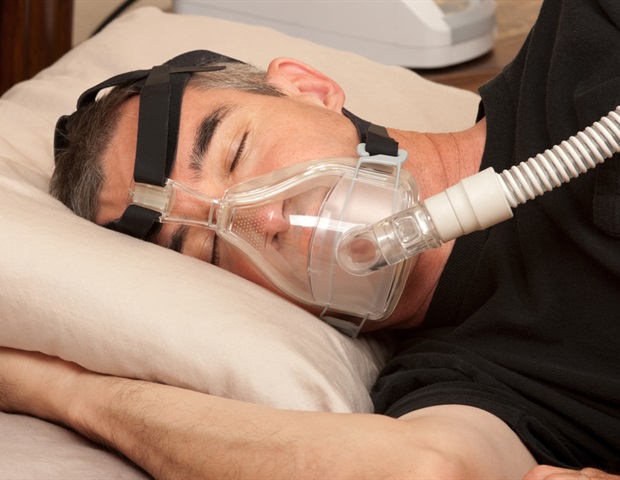
OSA is a common sleep disorder characterized by oxygen desaturation due to repeated airway collapse during sleep. This leads to oxygen desaturation or awakening from sleep. It is often linked to metabolic problems, cardiovascular disease, and a lower quality of life. OSA and insomnia symptoms often co-occur, a condition known as comorbid insomnia and sleep apnea or COMISA. This can complicate usual treatments like continuous positive airway pressure (CPAP) therapy, which is often recommended for moderate to severe OSA management.
Although Clinical Practice Guidelines generally recommend cognitive behavioral therapy for insomnia symptoms in individuals with OSA, medications are often preferred and prescribed in real-world settings. However, concerns remain that some of the common sedative-hypnotics could worsen respiratory parameters and lead to aggravated OSA symptoms.
Recently, researchers from Japan, led by Professor Taro Kishi from the Department of Psychiatry, Fujita Health University School of Medicine, Japan, conducted a systematic review and network meta-analysis to identify the hypnotics providing optimal sleep architecture without compromising the respiratory safety in adults with OSA. Professor Tsuyoshi Kitajima, Professor Nakao Iwata, and Dr. Kenji Sakuma, also from the Department of Psychiatry, Fujita Health University School of Medicine, were a part of the research group. The study findings were made available online on February 10, 2026, in the academic journal of the Japanese Society of Psychiatry and Neurology, Psychiatry and Clinical Neurosciences.
“The hypnotics used for insomnia in patients with OSA have varied effects on sleep quality and respiratory function. Our research aims to enable safer and more effective drug selection that considers the respiratory risks and is tailored to each patient’s symptoms,” mentions Prof. Kishi while talking about the motivation underlying the study. The researchers conducted a network meta-analysis of 32 randomized controlled trials for 12 types of hypnotic medications, including brotizolam, daridorexant, eszopiclone, flurazepam, lemborexant, nitrazepam, ramelteon, temazepam, triazolam, zaleplon, zolpidem, zopiclone, and placebo. 17 distinct outcomes, categorized into sleep architecture, respiratory function, treatment acceptability, treatment tolerability, and other safety outcomes, were assessed for the study.
The hypnotics showed varied effectiveness in treating insomnia. Highlighting the importance of this finding, Prof. Kitajima mentions, “While some patients reported difficulty in falling asleep, others reported waking up in the middle of the night or early in the morning. Suggesting appropriate medication, based on the symptom of insomnia, can aid in alleviating the problem effectively.”
Additionally, “Since our network meta-analysis included both CPAP users and non-users, we have focused on the sensitivity analysis results while excluding CPAP users and titration studies,” Dr. Sakuma emphasized.
The biggest concern for OSA patients when using sleep-inducing medication is the worsening of apnea and hypopnea. Overall, the study did not find broad evidence that hypnotics uniformly worsened respiratory outcomes. Important metrics like apnea-hypopnea index did not significantly differ from placebo for most of the analyzed drugs. Conversely, temazepam, a benzodiazepine hypnotic, was found to decrease arterial oxygen saturation during sleep. Considering the limitations of this study, clinicians are advised to individualize treatment, carefully weigh potential benefits and risks, and monitor respiratory status when prescribing hypnotics to patients with OSA.
“This is the first network meta-analysis to comprehensively compare multiple hypnotics across both sleep architecture and respiratory parameters in adults with OSA. This allows us to establish the requirement of tailoring medication based on specific symptoms associated with insomnia. Clinical trials that verify the effectiveness of each sleeping medication on patients’ specific insomnia symptoms can help in the formal synthesis of subjective outcomes in the future,” concludes Prof. Iwata.
Source:
Journal reference:
Kishi, T., et al. (2026). Comparative effects of hypnotic agents on sleep architecture and respiratory outcomes in obstructive sleep apnea: A systematic review and network meta‐analysis. Psychiatry and Clinical Neurosciences. DOI: 10.1111/pcn.70036. https://onlinelibrary.wiley.com/doi/10.1111/pcn.70036