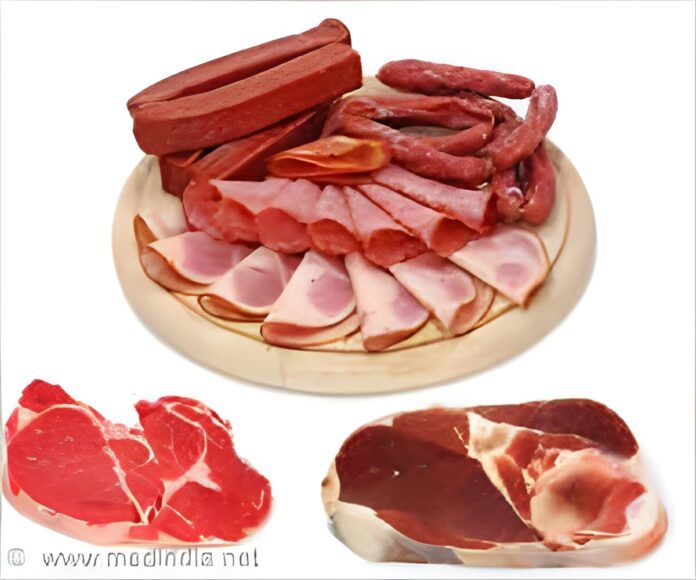
Beef tallow is trending again, but is it good for your health? Here is the evidence-based truth.
- Beef tallow contains nutrients but is high in saturated fat
- Moderation is important when including it in your diet
- A balanced diet matters more than any single ingredient
Beef tallow is a type of fat rendered from beef that has recently gained attention in health discussions. It is often promoted as a natural and traditional cooking fat with potential benefits. Many people are revisiting it as an alternative to processed oils and modern fats. However, its health impact depends on how it is used and consumed.
This renewed interest is partly driven by the popularity of ancestral diets and whole food approaches. Supporters claim that traditional fats like tallow are more stable for cooking and may offer nutritional value. At the same time, health experts urge caution when evaluating such claims. Scientific evidence provides a more balanced view of its effects.
Nutritional Profile Of Beef Tallow Explained
Beef tallow is primarily composed of saturated and monounsaturated fats, along with small amounts of fat-soluble vitamins. It contains nutrients such as vitamin A, D, E, and K, which are important for various body functions. The fat composition makes it stable at high cooking temperatures, reducing the risk of oxidation. This property makes it suitable for frying and roasting (1).
However, the high saturated fat content raises concerns about its effect on heart health. Diets high in saturated fats have been linked to increased cholesterol levels in some individuals. The impact can vary depending on overall diet and lifestyle factors. Moderation plays an important role in its consumption.
Health Claims About Beef Tallow And What Evidence Says
Several health claims suggest that beef tallow can improve metabolism, support skin health, and enhance overall well-being. While some of these claims are based on its nutrient content, strong scientific evidence is limited (2). Research indicates that replacing highly processed fats with less processed options may offer benefits. However, this does not mean that all traditional fats are automatically healthier.
Experts emphasize that dietary patterns matter more than individual ingredients. A balanced diet rich in fruits, vegetables, whole grains, and healthy fats is essential for good health. Using beef tallow occasionally within a balanced diet may be acceptable for some individuals. Overconsumption, however, can lead to health risks.
Beef Tallow Versus Other Cooking Fats
When compared to other cooking fats, beef tallow has both advantages and limitations. Its stability at high temperatures makes it less likely to break down during cooking. This can reduce the formation of harmful compounds. On the other hand, plant-based oils such as olive oil provide beneficial unsaturated fats. These fats are associated with better heart health outcomes.
Each type of fat has a different nutritional profile and health impact. Choosing the right fat depends on cooking method, dietary needs, and overall health goals. Combining different healthy fats in moderation may offer the best balance. Avoiding excessive intake of any single fat is important.
Potential Risks Of Excessive Beef Tallow Consumption
Consuming large amounts of beef tallow can increase the intake of saturated fats, which may raise cholesterol levels in some individuals. This can contribute to an increased risk of cardiovascular disease over time. People with existing heart conditions should be particularly cautious. Regular monitoring and medical advice can help manage risks.
Other factors, such as overall calorie intake and lifestyle habits, also influence health outcomes. A diet high in calorie-dense foods can lead to weight gain if not balanced with physical activity. Moderation remains a key principle in maintaining health. Being mindful of portion sizes can make a difference.
Should You Include Beef Tallow In Your Diet
Including beef tallow in your diet depends on individual health goals and dietary preferences. It can be used occasionally as part of a varied and balanced eating plan. People who enjoy traditional cooking methods may find it a suitable option in moderation. However, it should not replace healthier fats entirely.
Consulting a healthcare professional or nutrition expert can provide personalized recommendations. Individual factors such as age, medical history, and lifestyle should be considered. Making informed decisions based on scientific evidence is important. A balanced approach ensures long-term health benefits.
Frequently Asked Questions
Which doctor should I consult for diet advice?
You should consult a nutritionist or general physician for guidance.
Is beef tallow better than vegetable oils?
It depends on usage, as both have different health benefits and risks.
Can beef tallow raise cholesterol levels?
Yes, high intake may increase cholesterol in some individuals.
Is beef tallow safe for cooking?
Yes, it is stable at high temperatures and suitable for cooking.
Should beef tallow be consumed daily?
It is best consumed in moderation as part of a balanced diet.
References:
- Frying characteristics of beef tallow as a potential alternative for intermittent deep-fat frying
(Lei F, Zheng M, Zhang T, Tse TJ, Reaney MJT, Wang S, Jiang X, Li B, Hu Z, He D, Zhang S, Zhang Q, Zhou L. Frying characteristics of beef tallow as a potential alternative for intermittent deep-fat frying. Food Chem. 2025 Oct 1;488:144936. doi: 10.1016/j.foodchem.2025.144936. Epub 2025 May 26. PMID: 40449396.) - Beef Tallow-Based Skincare Claims in Social Media: A Cross-Sectional Analysis
(Almatroud L, Choi S, Libson K, Ashack K. Beef Tallow-Based Skincare Claims in Social Media: A Cross-Sectional Analysis. J Cosmet Dermatol. 2025 Dec;24(12):e70544. doi: 10.1111/jocd.70544. PMID: 41312576; PMCID: PMC12661468.)
Source-Medindia