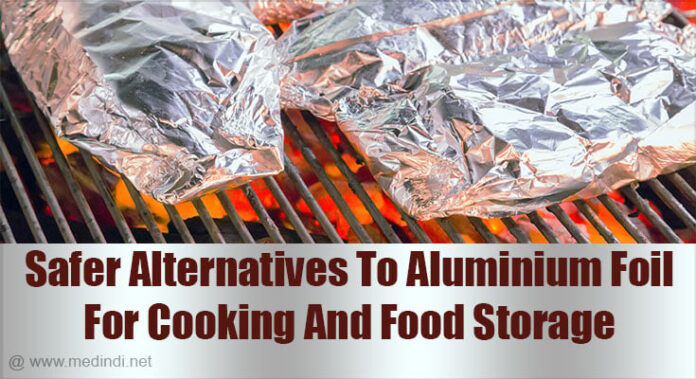
Experts warn that aluminium foil used during cooking or storage may release metal into food, especially at high heat or with acidic dishes.
- Metal leaching may increase when aluminium foil is heated with food
- Acidic and salty foods are more likely to react with aluminium
- Glass, ceramic, or steel containers are recommended as safer options
Using aluminum foil to store cooked food or wrap meals may seem like a harmless convenience, but new health discussions suggest it is not always safe. Experts are urging people to rethink this common kitchen habit as emerging evidence points to possible metal leaching into food under certain conditions (1✔ ✔Trusted Source
EFSA Advises on the Safety of Aluminium in Food
Go to source
).
According to the European Food Safety Authority, the Tolerable Weekly Intake (TWI) for aluminum from all food sources is 1 milligram per kilogram of bodyweight. Scientists note that this level may be reached or exceeded through normal dietary exposure alone in some individuals, making it especially important to consider how food contact materials contribute to overall aluminum intake.
TOP INSIGHT

Did You Know?
Aluminium foil can leach metal into food when used for hot or acidic cooking conditions #healthawareness #foodsafety #medindia
Aluminum Foil Use And Food Safety Concerns
Aluminum foil has been a kitchen staple for decades. Its lightweight and flexible nature makes it ideal for wrapping foods, covering dishes, and storing leftovers. But recent scientific attention has focused on whether the metal can transfer into foods when it is heated, acidic, or stored for long periods (2✔ ✔Trusted Source
Aluminum contamination of food during culinary preparation: Case study with aluminum foil and consumers’ preferences
Go to source
).
What Science Shows About Metal Leaching
Studies have shown that when food is baked or roasted in aluminum foil, aluminum can transfer into the food. The level of metal leaching increases with higher temperatures and when foods have acidic or salty ingredients.
This interaction may sound technical, but the key point is simple: what touches your food can change it.
Factors That Increase Aluminum Exposure In Food
- Temperature High heats during baking and roasting can cause aluminum in foil to break down slightly and mix with food.
- Food Type Acidic foods like tomatoes and citrus increase the chance of metal transfer because acids react with aluminum.
- Storage Duration Wrapping hot food directly in foil and storing it for long periods increases contact time, further raising the likelihood of leaching.
Experts suggest that these factors are not just kitchen anecdotes but are backed by consistent observations in research settings.
Safer Food Storage Materials To Consider
If you are concerned about metal exposure from aluminum foil, there are alternatives that offer peace of mind:
- Glass Containers provide airtight seals without chemical interaction.
- Ceramic Dishes are durable and safe for storing a variety of foods.
- Stainless Steel Boxes offer strength and longevity for meal prep and transport.
- Parchment Paper forms a barrier between food and metal surfaces, making it useful for lining trays when baking.
Switching to these materials can make daily food storage both safer and more environmentally friendly.
What This Means For Everyday Cooking
The takeaway is not that aluminum foil is inherently dangerous. Instead, it is a reminder that kitchen habits influence health in small but definite ways. Thoughtful choices about how we wrap and store food can reduce unnecessary exposure to substances that accumulate in the body over time.
As you make meals for yourself and loved ones, choose storage options that support long-term health and reduce hidden risks. Small changes in kitchen routines can build toward lifelong wellbeing.
Frequently Asked Questions
Q: Is aluminum foil safe for storing cooked food?
A: Aluminum foil is safe for short-term storage, but long contact with hot or acidic foods can increase metal transfer into food.
Q: Does cooking with aluminum foil increase aluminum in food?
A: Yes, baking or roasting with aluminum foil can lead to measurable amounts of aluminum leaching into foods, especially at high heat.
Q: What foods should not be wrapped in aluminum foil?
A: Acidic or salty foods like tomato dishes, pickles, or citrus marinades are more likely to cause aluminum leaching when wrapped in foil.
Q: What are safer alternatives to aluminum foil for food storage?
A: Glass, ceramic, and stainless steel containers are recommended for storing cooked food safely.
Q: Can aluminum build up in the body from food exposure?
A: The body is exposed to aluminum through diet and other sources, and meeting intake limits regularly may lead to accumulation, which has prompted safety guidelines for weekly intake.
Reference:
- EFSA Advises on the Safety of Aluminium in Food – (https://www.efsa.europa.eu/en/news/efsa-advises-safety-aluminium-food)
- Aluminum contamination of food during culinary preparation: Case study with aluminum foil and consumers’ preferences – (https://pmc.ncbi.nlm.nih.gov/articles/PMC6804775/)
Source-Medindia