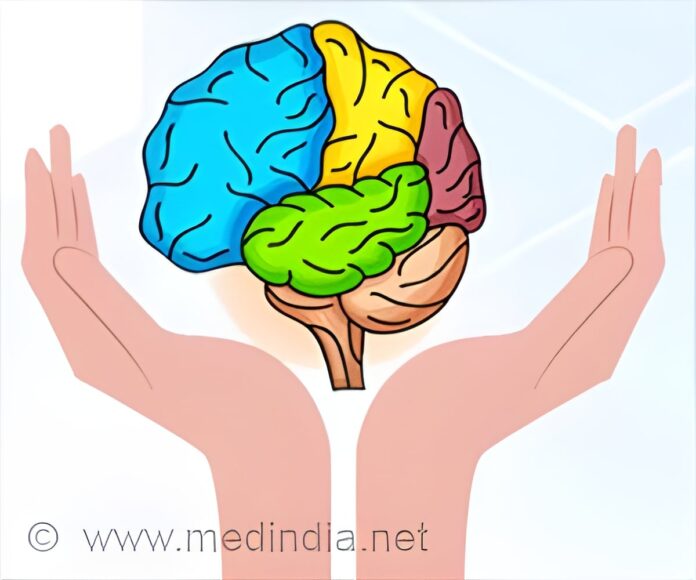
India has made healthy lifestyles and mental wellness central to global health cooperation at the BRICS 2026 Health Working Group in New Delhi.
India has positioned healthy lifestyles and mental wellness at the center of global health cooperation, introducing them as new priority areas at the first BRICS Health Working Group (HWG) Meeting for 2026 in New Delhi. This signals a shift toward preventive, people-centric healthcare, alongside continued focus on infectious diseases, digital health, and equitable access to medicines(1✔ ✔Trusted Source
Union Ministry of Health and Family Welfare Hosts First BRICS Health Working Group Meeting 2026 in New Delhi
Go to source
).
Why Is India Pushing Healthy Lifestyles and Mental Wellness at BRICS?
At the First Health Working Group (HWG) Meeting under the BRICS (Brazil, Russia, India, China, South Africa) framework—now expanded to include countries like Egypt, Ethiopia, UAE, and Indonesia—India set the tone for its 2026 Chairship by introducing two major priorities: healthy lifestyles and mental wellness.
Union Health Secretary Punya Salila Srivastava highlighted that the Health Working Group (HWG) serves as a key platform for strengthening cooperation in public health when countries are facing a dual burden of communicable and non-communicable diseases.
Under India’s leadership, the BRICS 2026 theme—“Building for Resilience, Innovation, Cooperation and Sustainability”—reflects a people-centric and humanity-first approach, aimed at building health systems that are inclusive, adaptable, and future-ready.
Two newly proposed priority areas include:
- BRICS Mission for Healthy Lifestyles: Focuses on reducing risk factors such as unhealthy diets, physical inactivity, tobacco use, and harmful
alcohol consumption — key drivers of non-communicable diseases (NCDs), which are long-term illnesses like heart disease and diabetes. - Promotion of Mental Health and Wellness: Aims to strengthen mental health services, reduce stigma, and integrate mental healthcare into broader public health systems.
Together, these priorities mark a clear shift toward preventive healthcare, addressing root causes rather than just treating diseases.
How Will BRICS Strengthen Global Health Systems and Cooperation?
India emphasized that its Chairship will focus on inclusive, evidence-driven, and sustainable health cooperation, while recognizing the diverse healthcare systems and socio-economic realities of BRICS nations.
The Health Working Group aims to:
- Foster collaboration based on evidence-driven policymaking (decisions backed by scientific data),
- Encourage mutual learning and adaptability across countries,
- Strengthen resilient health systems capable of responding to future pandemics and crises.
Srivastava noted that past BRICS collaborations have already contributed to:
- Tackling communicable and non-communicable diseases,
- Improving access to affordable medicines,
- Advancing pandemic preparedness (ability to detect and respond to outbreaks),
- Promoting health technology innovation and Universal Health Coverage (UHC)—which means ensuring everyone has access to essential healthcare without financial hardship.
She also stressed the importance of:
- Joint research and development,
- Equitable access to vaccines and medicines,
- Capacity-building initiatives across nations.
Global experts and member countries welcomed India’s leadership, emphasizing deeper cooperation in areas such as tuberculosis control, digital health, and local production of medicines and vaccines.
What Are the Key BRICS Health Priorities for 2026?
The meeting outlined nine priority areas under the BRICS Health Working Group, reflecting a comprehensive and collaborative global health agenda:
- BRICS TB Research Network – Strengthening research to combat tuberculosis, a major infectious disease.
- Regulatory collaboration – Aligning medical product approval systems across countries.
- Integrated Early Warning System – A system to detect and respond quickly to infectious disease outbreaks.
- Digital Health Architecture – Technology-driven healthcare systems ensuring continuous care, even in remote areas.
- BRICS Mission for Healthy Lifestyles
- Mental Health and Wellness Promotion
- Traditional, Complementary and Integrative Medicine (TCIM) – Combining conventional medicine with validated traditional practices.
- Diseases Driven by Social Determinants of Health (DDSDH) – Conditions influenced by factors like income, education, and environment.
- BRICS Network of National Public Health Institutes – Strengthening institutional collaboration.
A key highlight was India’s push for evidence-based traditional medicine, rooted in biodiversity and indigenous knowledge systems, as a contributor to Universal Health Coverage and sustainable development.
Member nations strongly supported:
- Expanding TB research collaboration,
- Strengthening early warning systems,
- Enhancing digital health access for vulnerable populations,
- Advancing regulatory cooperation,
- Boosting local production of medicines and vaccines.
The meeting concluded with a consensus on a roadmap for future engagements, including technical discussions and ministerial-level meetings under the BRICS Health Track 2026.
Overall, India’s agenda reflects a holistic health vision—blending prevention, innovation, traditional knowledge, and global cooperation—to build resilient healthcare systems for the future.
Reference:
- Union Ministry of Health and Family Welfare Hosts First BRICS Health Working Group Meeting 2026 in New Delhi – (https://www.pib.gov.in/PressReleasePage.aspx?PRID=2252335®=3&lang=2)
Source-Medindia