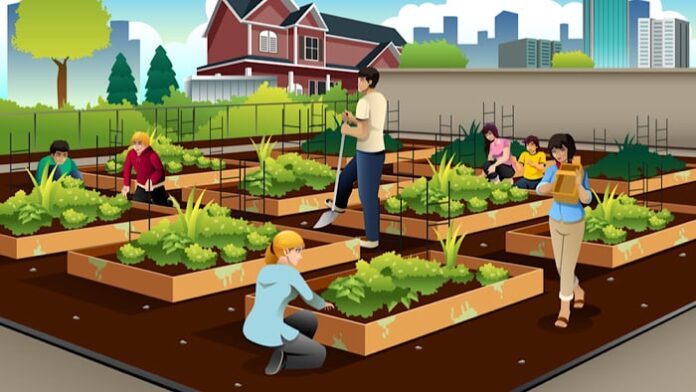
Loneliness doesn’t always look like being alone. You can have co-workers to chat with, texting family members and a full calendar, yet still feel like something’s missing. Often, it’s a sense of belonging. How to fight loneliness and strengthen mental health? Let’s talk about it.
Building a community doesn’t require a packed social calendar. Look for small ways to put yourself around people regularly…
Introduction
Finding the kind of community in which you feel seen, welcomed, and connected.can take time — especially after a move, life change or period when you’ve become more isolated.
But you don’t need a huge social circle to feel the difference. Small, meaningful connections can help you fight loneliness, strengthen your mental health and gradually build a community that feels like your own.
Why community matters for your mental health

She was lonely. Since she enjoys walking, she found a walking club and joined.
Loneliness is remarkably common. About one in three U.S. adults reports feeling lonely, according to the Centers for Disease Control and Prevention (CDC). Globally, the World Health Organization estimates that one in six people worldwide experiences loneliness.
Those feelings can reach beyond wishing you had someone to spend Saturday night with. CDC research found adults who reported loneliness were 3.61 times more likely to experience stress, 3.05 times more likely to experience frequent mental distress and 2.38 times more likely to have a history of depression.
Connection can help shift that picture. One study found that people with a negative sense of community were 3.2 times more prone to depressive symptoms than those with a positive sense of community. Community gives you opportunities to talk, laugh, ask for help and offer it in return. Just as importantly, it can give you a sense of belonging.
How to find community when you’re feeling lonely
Building a community doesn’t require a packed social calendar. Look for small ways to put yourself around people regularly, preferably while doing something you already enjoy or care about.
Start with the people around you
Sometimes a potential connection is only a few steps away. Say hello to a neighbor you usually wave at from a distance, invite an acquaintance for coffee or message a former co-worker you always enjoyed talking to.
If you’ve recently relocated, getting to know the people nearby can also help a new neighborhood begin to feel like home. Something as simple as introducing yourself, exchanging contact information or chatting over a cup of tea can create familiarity.
Friendship may build from the first conversation. A neighbor who starts as someone you greet at the mailbox might eventually become the person who waters your plants, shares a plate of cookies or sits with you on the porch after a difficult day.
Follow something you already enjoy
Making friends is a lot of pressure to put on one book club meeting. Instead, choose an activity you’d be happy to attend even if you didn’t immediately connect with anyone.
Join a hiking group, take a pottery class, sign up for recreational volleyball or find a board game night. Shared activities give you a built-in conversation starter. You already have something in common, so you’re not starting from nothing.
Regular attendance also matters. Seeing the same people every Thursday gives your quick hello the chance to start a conversation and, eventually, form a friendship. Face-to-face contact helps people remember you and reciprocate your efforts.
Become a familiar face somewhere
Not every community needs membership cards or scheduled meetings. A coffee shop, library, dog park, farmers market or neighborhood park can become your “third place” where you spend time outside home and work.
Choose somewhere you genuinely like and visit regularly. You might begin recognizing the person who always reads near the same window at the library or another dog owner who takes the same morning route.
Local events offer similar opportunities. Festivals, neighborhood cleanups, outdoor concerts and markets put you around people who share your local area. Even brief conversations can make your surroundings feel friendlier and more familiar.
Connect through something you care about

He cares about children and his community, so his way of fighting loneliness is a natural.
Shared values can create another natural foundation for relationships. You might volunteer at an animal shelter, help at a food bank, join an environmental organization or participate in a faith or spiritual community.
Working toward a shared goal also takes some of the awkwardness out of meeting someone new. Instead of searching for the perfect opening line, you might find yourself sorting donations beside the same person every week. Conversation grows around what you’re already doing.
Research suggests these organized connections can make a meaningful difference. One study of older adults during COVID-19 lockdowns found that people with community group access were 2.65 times less likely to experience loneliness.
Professional organizations can serve a similar purpose. They connect you with people who understand your work, interests and goals while creating opportunities for mentorship and friendship.
Use online forums as another form of connection
An online group dedicated to your favorite author, video game, hobby or TV show can introduce you to people you might never encounter otherwise. Digital spaces can be particularly valuable when transportation, location, time or confidence make meeting people face-to-face harder. Research on one digital peer support platform found that participants experienced an 11.1% decrease in loneliness and a 28.3% reduction in depression symptoms over 90 days.
Online connections may eventually turn into local meetups or friendships, but they don’t have to. A group chat where people notice your absence, a gaming friend who asks about your week or a forum where you feel understood can still provide a genuine human connection.
Give your community time to grow
Community rarely appears all at once. More often, it grows from repetition with the person you see at yoga each week, the neighbor you stop to talk to or the volunteer who gradually becomes a friend.
It takes only a few close relationships to fight loneliness. Focus on finding spaces where you enjoy showing up and where you can gradually become more yourself. Keep returning, start the occasional conversation and give those small connections room to deepen. Over time, a collection of familiar faces can become a place where you know you belong.
Feeling as though something’s missing and you don’t belong are common signs of loneliness. And you can do something about it. Give the insight and tips I’ve provided a go — and see what happens. Oh, and please check out the topics and content on my web home, Revivalist. As always, thank you…Cora.
Please peruse Bill’s Chipur emotional and mental illness info and inspiration titles on the articles page — or by category below, right sidebar on desktop.

Cora Gold is a wellness and self care writer and the editor of women’s lifestyle magazine, Revivalist.