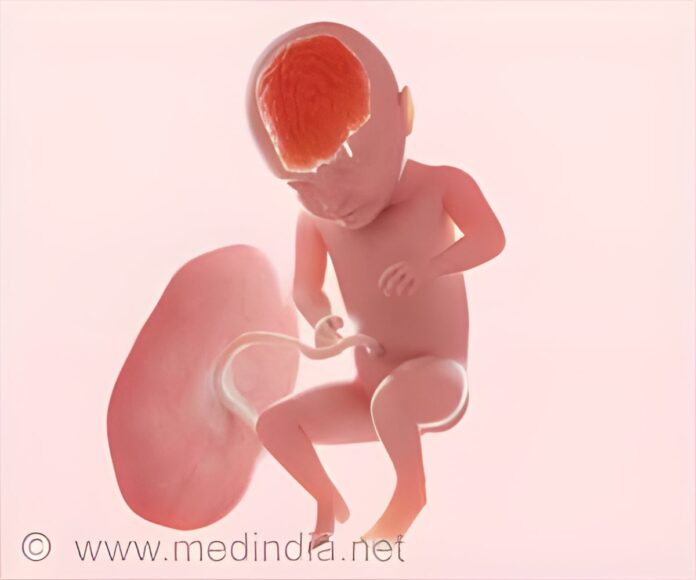
The placenta may hold clues about a child’s future health long before birth.
- The placenta plays a crucial role in regulating fetal development and pregnancy health
- Placental function may influence long-term disease risk through fetal programming
- Healthy maternal lifestyle habits help support proper placental development
Pregnancy is a remarkable biological process that supports the development of new life. Among the most important organs involved is the placenta. This temporary organ connects the mother and the developing baby during pregnancy. Scientists now believe the placenta plays a critical role in shaping long-term health outcomes. Emerging research highlights the influence of placental health on disease risk later in life (1).
For many years, the placenta was viewed mainly as a transport organ. It delivers oxygen and nutrients from the mother to the fetus while removing waste products. Modern scientific studies have expanded this understanding significantly. Researchers now describe the placenta as a complex biological system that regulates fetal growth and development. Its functions may influence lifelong health outcomes for the child.
The Role of The Placenta In Fetal Development
The placenta forms shortly after implantation and continues developing throughout pregnancy. It creates a physical and biochemical connection between the mother and the fetus. Through this connection, nutrients, hormones, and oxygen reach the developing baby. These exchanges support essential processes such as organ development and metabolic programming. Proper placental function is therefore essential for healthy fetal growth.
Scientists explain that the placenta also regulates immune interactions between mother and baby. The fetal immune system must develop without triggering harmful maternal responses. The placenta carefully manages this delicate balance during pregnancy. If this system becomes disrupted, complications may occur. These disruptions may influence fetal development and later health outcomes.
How The Placenta May Predict Future Health Risks
Recent studies suggest that the placenta may offer clues about a child’s future health. Researchers have observed associations between placental characteristics and chronic disease risk. For example, changes in placental size, shape, or blood flow may reflect developmental challenges. These factors may influence metabolism and organ development later in life. Scientists describe this concept as fetal programming (2).
The idea that early life conditions shape adult health is known as the Developmental Origins of Health and Disease theory. According to this concept, environmental conditions during pregnancy influence long-term physiology (3). The placenta acts as a central regulator of these influences. Its ability to manage nutrients and hormones affects fetal growth patterns. These mechanisms may determine disease susceptibility later in adulthood.
Placental Signals And Hormonal Regulation
The placenta also functions as a powerful endocrine organ during pregnancy. It produces hormones that regulate maternal metabolism and fetal growth. Hormones such as human placental lactogen and progesterone influence nutrient availability. These signals help ensure the developing baby receives adequate energy. Through these processes, the placenta shapes metabolic development.
Hormonal communication between the placenta and the mother supports pregnancy stability. These signals influence blood flow, nutrient transport, and immune tolerance. Disruptions in hormonal signaling may affect both maternal and fetal health. Scientists continue investigating how placental hormones influence disease risk later in life. Understanding these processes highlights the importance of placental biology.
Environmental Factors That Affect Placental Health
Several environmental factors may influence placental development during pregnancy. Maternal nutrition, stress, and exposure to toxins can affect placental function. These influences may alter nutrient transport and hormonal signaling (4). Such changes may affect fetal growth patterns and metabolic regulation. Maintaining maternal health is therefore essential for placental wellbeing.
Research also suggests that lifestyle factors such as smoking and poor diet may impair placental efficiency. These factors can reduce oxygen supply and nutrient delivery to the fetus. Over time, these disruptions may influence organ development. Public health experts emphasize that pregnancy care should focus on both maternal and placental health. Protecting prenatal development helps support healthier outcomes later in life.
The Future Of Placenta Research In Medicine
Scientists are increasingly studying the placenta as a source of valuable medical insights. Advances in imaging and genetic analysis allow researchers to examine placental structure in greater detail. These discoveries may help doctors identify early warning signs of disease risk. Understanding placental biology may improve preventive care during pregnancy. Such knowledge supports the goal of early disease prevention.
Future research may also lead to improved monitoring of placental health during pregnancy. Doctors hope to identify biomarkers that signal potential complications earlier. Early detection could help prevent developmental problems before birth. This area of research continues to expand as scientists uncover new information. The placenta is now recognized as a key organ influencing lifelong health.
Frequently Asked Questions
What is the main function of the placenta?
The placenta delivers oxygen and nutrients to the fetus while removing waste products from fetal circulation.
Can the placenta influence lifelong health?
Research suggests that placental function may shape long-term health outcomes through fetal programming.
What is fetal programming?
Fetal programming refers to how early developmental conditions influence future disease risk.
How does maternal health affect the placenta?
Nutrition, lifestyle, and environmental exposures during pregnancy can influence placental development.
Why are scientists studying the placenta more closely?
Placental research may help identify early predictors of disease risk and improve prenatal care.
References:
- Social Determinants of Placental Health and Future Disease Risks for Babies
(Thornburg KL, Boone-Heinonen J, Valent AM. Social Determinants of Placental Health and Future Disease Risks for Babies. Obstet Gynecol Clin North Am. 2020 Mar;47(1):1-15. doi: 10.1016/j.ogc.2019.11.002. PMID: 32008662; PMCID: PMC7732260.) - Fetal Programming and Public Policy
(Glover V, O’Connor TG, O’Donnell KJ. Fetal Programming and Public Policy. J Am Acad Child Adolesc Psychiatry. 2023 Jun;62(6):618-620. doi: 10.1016/j.jaac.2022.11.010. Epub 2023 Jan 3. PMID: 36608741.)
- The Developmental Origins of Health and Disease (DOHaD)
(Lacagnina S. The Developmental Origins of Health and Disease (DOHaD). Am J Lifestyle Med. 2019 Oct 11;14(1):47-50. doi: 10.1177/1559827619879694. PMID: 31903081; PMCID: PMC6933571.) - Environmental toxicants and placental function
(Bloom MS, Varde M, Newman RB. Environmental toxicants and placental function. Best Pract Res Clin Obstet Gynaecol. 2022 Dec;85(Pt B):105-120. doi: 10.1016/j.bpobgyn.2022.09.003. Epub 2022 Sep 30. PMID: 36274037; PMCID: PMC11184919.)
Source-Medindia