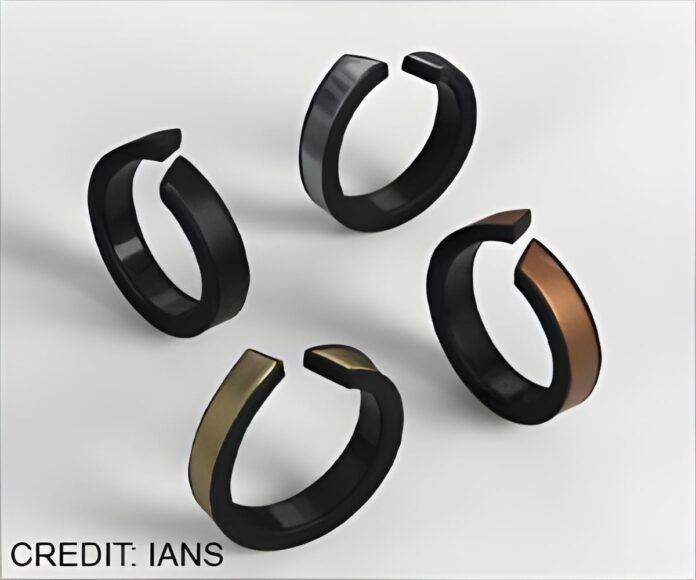
Modern fitness bands like Fitbit Air are transforming health tracking with AI-powered insights and advanced biometric monitoring.
Explore the benefits of wearable fitness technology, including activity tracking, SpO2 monitoring, sleep analysis, and AI-powered health insights from modern smart fitness bands (1✔ ✔Trusted Source
Introducing the all-new Fitbit Air
Go to source
).
Fitbit for the Health-Conscious Generation
The Google Fitbit Ace has been launched, and this fitness tracker is not aimed at hardcore fitness enthusiasts. Instead, it is designed for anyone who is health-conscious today. In reality, that includes almost everyone who is digitally aware and ready to invest in their own health and the well-being of their family members.
How Fitbit is Different from Other Fitness Bands
When you buy the Air, you get everything in one package. The Fitbit Aria is cheap, and there are no subscription costs attached, which is where it scores. This gadget is said to be the first real competition for Whoop, the king of the realm so far.
The Fitbit Ace tracker is screenless. By getting rid of the display, the attention has been shifted to apps as the heart and soul of the fitness tracking system.
How Fitbit Helps in Your Personal Fitness Journey
- Smarter Sleep Insights
The Fitbit Air provides holistic insights into your sleep patterns, including total sleep time, signs of restlessness, and the amount of time spent in each sleep stage. It also gives users a numerical sleep score out of 100. - Advanced Health Sensors
The Fitbit Air packs an optical heart rate sensor, SpO₂ sensor, skin temperature sensor, accelerometer, and gyroscope. - Heart Health Monitoring
These advanced sensors allow users to monitor heart rate variability and detect serious conditions such as atrial fibrillation (AFib). - Automatic Workout Tracking
For users who follow workouts religiously, the Fitbit Air can autodetect and track activities like running, walking, swimming, and cycling. - Custom Workout Modes
While several workout modes are auto-detectable, other workout types can be manually selected through the companion app.
Long Battery Life and Water Resistance in Fitbit Air
Google claims the Fitbit Air offers up to 7 days of battery life on a single charge, making it ideal for continuous health and fitness tracking. The magnetic fast charger powers the fitness tracker from 0% to 100% in just 90 minutes.
The Fitbit Air is also designed for durability and water resistance, allowing users to wear the smart fitness band up to 50 metres underwater without worrying about sweat or water damage.
Fitbit User Growth and Sales Statistics
According to Fitbit statistics, the brand’s growth trend has been moving downhill in recent years.
Fitbit currently has around 33 million active users, while more than 130 million people have registered on the app globally.Despite the large user base, Fitbit sales reportedly dropped by 21.8% to 4.3 million units in 2025!
The company’s estimated revenue in 2025 also declined by 15.3% from the previous year, reaching approximately $770 million, according to Business of Apps.
Google Health Premium and Fitbit’s AI Coach
The Fitbit app has been renamed Google Health, while Fitbit Premium is now called Google Health Premium, priced at $99 per year. Google has introduced an AI-powered “Coach” for Premium users, offering a personalised fitness training experience.
The AI Coach helps users create workout plans, set fitness goals, and improve sleep quality through data-driven insights. The platform focuses on delivering customised health and wellness recommendations for smarter fitness tracking.
Conclusion
With advanced health tracking features, AI-powered fitness coaching, long battery life, and personalised wellness insights, the Fitbit Air reflects how smart fitness bands are evolving beyond simple step counters. Modern wearable fitness technology is now focused on preventive healthcare, sleep monitoring, heart health tracking, recovery analysis, and overall lifestyle improvement.
As competition from platforms like Whoop continues to grow, the future of fitness trackers will depend on how effectively brands combine AI, biometric data, and user-friendly health insights to deliver a more personalised wellness experience.
Reference:
- Introducing the all-new Fitbit Air – (https://blog.google/products-and-platforms/devices/fitbit/fitbit-air/)
Source-Medindia