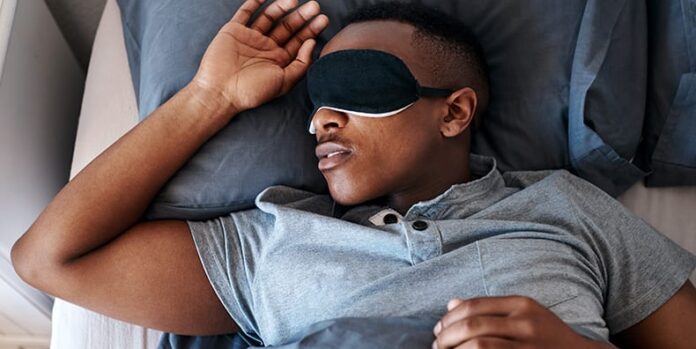
Sleep affects every part of life. Here’s how tuning in to bedtime routines can help steady your mood and protect against bipolar symptoms.
If video is not showing, click here
When it comes to managing bipolar disorder, sleep plays a prominent role. Yet many people think, “Well, what does sleep have to do with bipolar disorder?”
Sleep is vitally important. And people — not just those who live with bipolar disorder, but all people — who ignore sleep hygiene do so to their own detriment.
Sleep is how we restore, rest, and reinvigorate our own bodies. Yet people take it for granted, and we shouldn’t — especially when managing bipolar. As goes sleep, so goes bipolar disorder.
Now, you’re probably thinking, “How is that true?” Well, let me tell you.
The Connection Between Sleep and Bipolar Disorder
How much you sleep, and the quality of that sleep, are all factors when it comes to how your bipolar may be affecting your sleep.
How to Practice Good Sleep Hygiene
The symptoms of bipolar disorder are often hiding in how we sleep, and we need to be in tune with that. What we need to do is practice a concept called sleep hygiene.
Sleep hygiene is basically this:
- Time: Go to bed at the same time every day and get up at the same time every day.
- Space: Create a space to sleep. It’s about using our bed only for sleep and intimacy, not for watching television, playing with our phones, or reading a book. It’s about using our beds just for sleep.
- Temperature and noise: Facilitate sleep by tending to the environment of your bedroom: Keep it warmer or cooler, turn on a fan, use a white noise machine, and so on.
RELATED: Bipolar, Your Body Clock, and Finding the Best Sleep Schedule
All of this is to signal to your body that when you climb into bed, it’s time to rest.
Doing this will help you get better sleep. In turn, quality sleep will help manage the symptoms of bipolar disorder. And being in tune with this will allow you to get ahead of any issues that you might have.
Trust me, sleep hygiene doesn’t sound like much, but it really matters.but it really matters.
UPDATED: Originally posted August 11, 2021