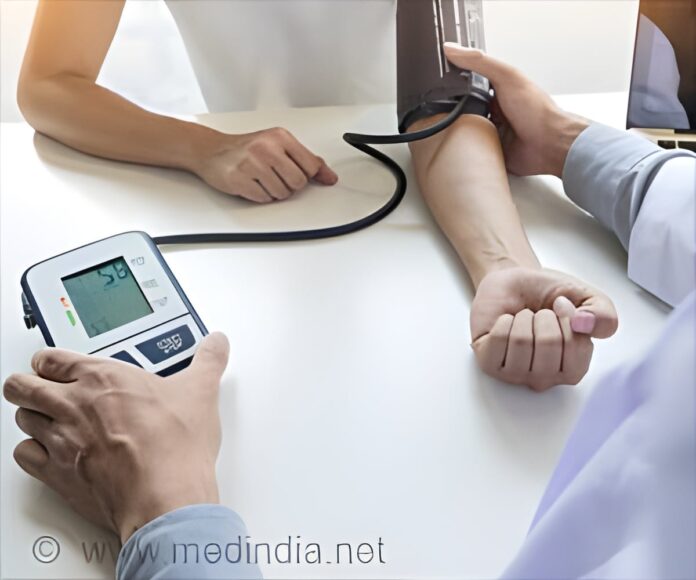
ER ECG monitoring uncovers hidden AF in 3% of patients, enabling early treatment and better stroke prevention.
Silent atrial fibrillation often goes unnoticed until complications occur. Continuous ECG monitoring in emergency rooms can identify hidden cases early, allowing timely treatment and reducing stroke risk-especially in high-risk and underserved patients (1✔ ✔Trusted Source
Opportunistic Atrial Fibrillation Screening in the Emergency Department: Might the Primary Diagnosis Matter?
Go to source
).
What is Atrial Fibrillation?
Atrial Fibrillation, often called AF, is a heart condition that causes an irregular and often rapid heart rate. This can lead to poor blood flow and may increase the risk of stroke, heart failure, and other heart-related complications.
Many people with AF may not experience noticeable symptoms, which is why it is sometimes called the “silent” heart condition.
The Role of Emergency Departments in Screening
A recent study by Bismuth et al. reveals that emergency departments (EDs) can play a crucial role in detecting AF early. By using continuous ECG (electrocardiogram) monitoring, EDs can identify new cases of AF in patients who might not know they have it.
In this study, 3% of patients who were screened in the ED were found to have AF for the first time.
Why is Early Detection Important?
Early detection of AF is vital because it often affects those at high risk of stroke. Identifying AF early allows for timely treatment, which can significantly reduce the risk of severe complications.
This is particularly important for underserved populations who may not have regular access to healthcare services.
Who Benefits the Most?
The study found that the effectiveness of AF screening in EDs could vary based on a patient’s primary diagnosis and demographics. However, those with limited access to healthcare and high stroke risk benefit significantly from early detection.
Continuous rhythm monitoring in EDs may offer a practical solution for these groups.
Practical Implications for Your Health
Understanding the importance of AF detection can empower you to engage proactively with your health. Here are some steps you can take:
- Be aware of the symptoms of AF, such as heart palpitations, fatigue, or shortness of breath.
- Consider discussing AF screening with your healthcare provider, especially if you are at high risk of stroke.
- Advocate for regular health check-ups, even if you feel healthy, to catch any silent conditions early.
Key Takeaways
- Emergency departments can help detect atrial fibrillation early through continuous ECG monitoring.
- Early detection is crucial for preventing strokes and other complications in high-risk patients.
- Underserved populations can greatly benefit from AF screening in emergency settings.
- Awareness and proactive health measures can lead to better long-term outcomes.
Reference:
- Opportunistic Atrial Fibrillation Screening in the Emergency Department: Might the Primary Diagnosis Matter? – (https://www.annemergmed.com/article/S0196-0644(25)01239-9/abstract)
Source-Annals of Emergency Medicine