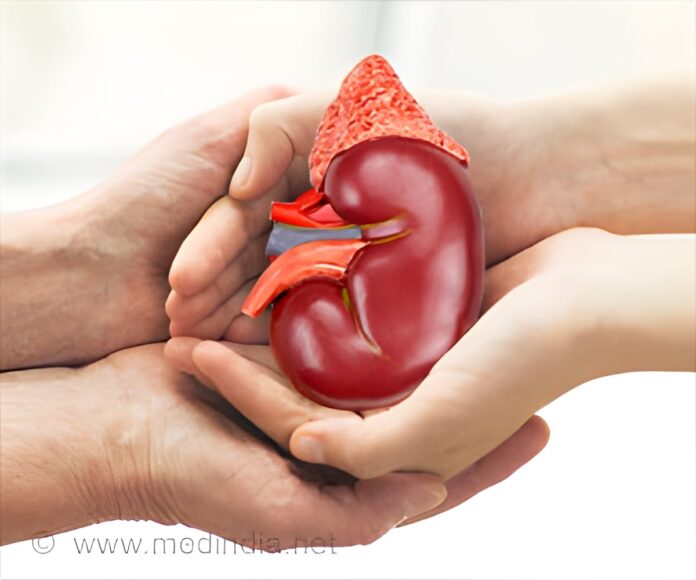
Karnataka’s 2026 THOTA amendments allow multi-pair kidney swaps to overcome biological barriers and expedite surgery.
Dhanush M Poojary, a 17-year-old student from Bengaluru, has achieved an extraordinary feat by scoring 589 out of 600 marks in his 2026 II PUC exams. His success is a testament to resilience, following a five-year battle with chronic kidney disease and a life-saving kidney transplant.
Overcoming Chronic Kidney Disease with a Life-Saving Renal Transplant
In early 2020, Dhanush was diagnosed with shrunken kidneys, a condition where the organs atrophy and lose their filtering ability. He underwent dialysis, a medical procedure that filters toxins from the blood, for nearly two years. Despite frequent hospitalizations and the exhaustion associated with renal failure, he remained dedicated to his studies.
By 2021, doctors advised that a renal transplant was the only way to save his life. His mother selflessly stepped forward as a compatible organ donor, meaning her tissue and blood types matched his to ensure the body accepted the new kidney. This surgery provided Dhanush with a second chance at life, allowing him to move past dialysis and focus on his dream of becoming a Chartered Accountant.’
Post-Transplant Success and Recovery
Dr. Vidyashankar P, Director of Nephrology at KIMS Hospital, Mahadevapura, emphasizes that Dhanush’s recovery was driven by early diagnosis and strict post-transplant care. Dhanush continues to receive follow-up consultations at KIMS to ensure long-term health. His father, Manjunath Poojary, credits this medical intervention for transforming their lives.
Dhanush’s story highlights the critical importance of living organ donation and proves that with family support and proper medical guidance, pediatric patients can overcome severe illness to reach their full potential.
Understanding Clinical Insights: From Renal Atrophy to Transplantation
Shrunken Kidneys
Also known as renal atrophy, this occurs when the kidneys become abnormally small due to chronic disease or damage. This condition leads to a loss of function, preventing the organs from effectively filtering waste and excess fluids from the bloodstream.(1✔ ✔Trusted Source
Kidney Atrophy
Go to source
)
Dialysis
This is a life-sustaining medical procedure that performs the essential functions of the kidneys when they can no longer work. It involves using a specialized machine to filter toxins, salt, and extra water from the blood to maintain a safe chemical balance.
Renal Transplant
This is a major surgical procedure where a healthy kidney from a donor is placed into a patient whose own kidneys no longer function properly. It offers a second chance at life, allowing patients to return to a normal lifestyle without needing dialysis.(2✔ ✔Trusted Source
Kidney Transplant
Go to source
)
Compatible Organ Donor
This refers to a person whose blood type and tissue characteristics match the patient, minimizing the risk of the body rejecting the new organ. Family members, like Dhanush’s mother, often provide the best chance for a successful medical match.
Evidence-Based Benefits of Kidney Transplantation and Advances in Transplant Policy
Karnataka’s Multi-Pair KPD Policy (2026)
In accordance with the Transplantation of Human Organs and Tissues Act (THOTA), Karnataka’s April 2026 guidelines now permit ‘multi-pair’ Kidney Paired Donation (KPD), involving three or more pairs. This policy bypasses biological incompatibility, expanding the organ pool and reducing wait times. To ensure safety, surgeries must be simultaneous and registered with the State Organ and Tissue Transplantation Organization (SOTTO).(3✔ ✔Trusted Source
THE TRANSPLANTATION OF HUMAN ORGANS AND TISSUES ACT, 1994
Go to source
)(4✔ ✔Trusted SourceCOMMISSIONERATE OF HEALTH & FAMILY WELFARE SERVICES, Government of Karnataka
Go to source
)(5✔ ✔Trusted Source
STATE ORGAN AND TISSUE TRANSPLANT ORGANIZATION (SOTTO)
Go to source
)
What is Kidney Paired Donation?
Kidney Paired Donation (KPD) is a medical ‘swap’ where incompatible donor-recipient pairs exchange organs to find a biological match. According to research (8✔ ✔Trusted Source
Kidney paired donation in developing countries: A global perspective
Go to source
), this strategy effectively bypasses blood-type and tissue barriers, significantly increasing transplant success rates in India.
This evidence reinforces the importance of Dhanush’s recovery, as the KPD model ensures that patients with incompatible family donors, like Dhanush’s mother, can still receive a life-saving, compatible organ through a coordinated multi-pair exchange.
Clinical Success of Living Donors
Clinical data from 2026 highlights that living donor transplants offer superior clinical outcomes and greater organ longevity compared to deceased donations. Research confirms these transplants provide young patients with stable long-term health, allowing them to pursue education and career goals without interruption.(6✔ ✔Trusted Source
From Evidence to Action in Living Kidney Donor Transplantation
Go to source
)
Pediatric Development & Education
Recent systematic reviews published in early 2026 from Online Journal of Public Health Informatics, emphasize that kidney transplants in pediatric patients (like Dhanush) do more than just save lives. Pediatric kidney transplants foster better growth, development, and education, significantly enhancing social interaction and overall quality of life for young recipients.(7✔ ✔Trusted Source
Donor Risk Factors Affecting Graft Survival in Pediatric Kidney Transplants: Protocol for a Systematic Review and Meta-Analysis
Go to source
)
The Preemptive Transplant Advantage
Further, research suggests that an early ‘preemptive’ transplants, performed before long-term dialysis is required, are linked to significantly better long-term health outcomes and a higher quality of life for patients. This proactive approach ensures more stable recovery and better physical development.(2✔ ✔Trusted Source
Kidney Transplant
Go to source
)
The Transformative Impact of Early Intervention and Organ Donation
Dhanush’s journey from chronic kidney failure to academic success underscores the transformative power of organ transplantation. His story highlights how medical intervention and family support enable pediatric patients to lead healthy, productive lives. By raising awareness about living donation and early diagnosis, we can ensure more children have the opportunity to fulfill their potential.
References:
- Kidney Atrophy – (https://www.kidney.org/kidney-topics/kidney-atrophy#:~:text=Kidney%20atrophy%2C%20also%20called%20atrophic%20kidney%20or,Feeling%20tired%20(fatigue)%20*%20Loss%20of%20appetite)
- Kidney Transplant – (https://www.kidney.org/kidney-topics/kidney-transplant?hl=en-IN)
- THE TRANSPLANTATION OF HUMAN ORGANS AND TISSUES ACT, 1994 – (https://hfwcom.karnataka.gov.in/storage/pdf-files/THOA1994Actwith2011Amendmentand2014Rules.pdf)
- COMMISSIONERATE OF HEALTH & FAMILY WELFARE SERVICES, Government of Karnataka – (https://hfwcom.karnataka.gov.in/en)
- STATE ORGAN AND TISSUE TRANSPLANT ORGANIZATION (SOTTO) – (https://sotto.nic.in/)
- From Evidence to Action in Living Kidney Donor Transplantation – (https://pmc.ncbi.nlm.nih.gov/articles/PMC12935350/)
- Donor Risk Factors Affecting Graft Survival in Pediatric Kidney Transplants: Protocol for a Systematic Review and Meta-Analysis – (https://www.researchprotocols.org/2026/1/e71620?hl=en-IN)
- Kidney paired donation in developing countries: A global perspective – (https://pmc.ncbi.nlm.nih.gov/articles/PMC10501157/#S6)
Source-Medindia