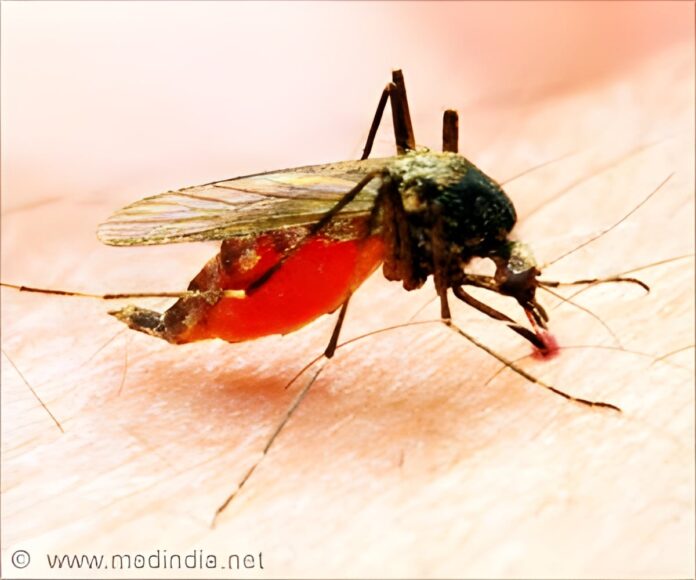
Hong Kong recorded its first two imported dengue cases this year, as global dengue activity rises, following travel to the Philippines and Vietnam.
Health authorities in Hong Kong have issued a warning over the growing risk of mosquito-borne diseases, including dengue fever and chikungunya fever, as favorable weather conditions support mosquito breeding and international travel continues to increase.
The Centre for Health Protection (CHP) confirmed that two imported dengue fever cases have been recorded in Hong Kong so far this year. Both patients had travelled overseas before developing symptoms, underscoring the ongoing threat posed by cross-border movement and regional outbreaks.
Dengue fever (1✔ ✔Trusted Source
Dengue
Go to source) is transmitted through the bite of an infected Aedes mosquito, which thrives in warm, humid environments and breeds in stagnant water. Health officials warned that environmental conditions currently remain favorable for mosquito activity, increasing the risk of transmission if preventive measures are not maintained.
TOP INSIGHT

Authorities warn of rising #dengue and #chikungunya risks as #mosquito breeding conditions improve. Hong Kong has logged its first two imported dengue cases this year. Stay vigilant.
#MosquitoBorne #HongKongHealth #PublicHealth #TropicalDiseases
Weather Conditions Raise Mosquito Breeding Risk
Authorities noted that sustained warm temperatures and humid conditions have created an ideal environment for mosquitoes to multiply. Such conditions can prolong the transmission season for mosquito-borne illnesses and increase the likelihood of disease spread, particularly when infected travelers return from affected regions.
Although the detected dengue cases were imported and no local transmission has been confirmed, officials cautioned that the risk of community spread cannot be ruled out if mosquito control measures are relaxed.
Chikungunya Remains a Public Health Concern
While no new chikungunya cases have been reported recently, health officials said the virus continues to circulate in several regions globally. Like dengue, chikungunya is transmitted by Aedes mosquitoes and can be introduced through travel.
Chikungunya typically causes high fever, severe joint pain, muscle aches, headache and fatigue. Although it is rarely fatal, the joint pain can be prolonged and significantly affect quality of life.
Public Urged to Step Up Preventive Measures
The CHP has urged residents to remain vigilant and take active steps to prevent mosquito breeding and reduce the risk of infection. Recommended measures include removing stagnant water from containers, flowerpots and drains, using insect repellents, installing window screens, and wearing long-sleeved clothing when outdoors.
Members of the public are also advised to seek medical attention if they develop symptoms such as fever, rash, joint pain or headache, particularly after travel to areas where mosquito-borne diseases are prevalent.
Health officials emphasized that community participation, combined with ongoing surveillance and early detection, remains critical in preventing the spread of dengue and chikungunya as environmental and travel-related risks continue to evolve.
Reference:
- Dengue – (https://www.who.int/news-room/fact-sheets/detail/dengue-and-severe-dengue)
Source-Medindia