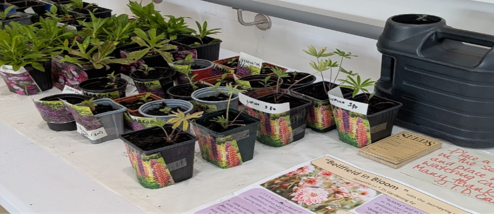
Journeying through Dementia is an Occupational Therapy evidence-based 10-week group programme for people with a new diagnosis of Dementia (Craig et al 2023). From our second Journeying through Dementia cohort, participants expressed a desire to continue meeting in a supportive and meaningful environment. What makes the group unique is that it brings together people from multiple backgrounds and areas who share the Journeying through Dementia experience. As a result, gardening has come to represent much more than simply looking after plants—it provides opportunities for friendship, connection, personal growth and ongoing support.
Creating Benefits for Everyone
The group chose to focus on improving the outdoor spaces at the Bellfield Centre in Stirling, creating benefits for both participants and residents.
For Journeying through Dementia participants, the project offers:
- A purposeful and enjoyable activity
- Continued social connection and peer support
- Opportunities to develop skills and confidence
For Bellfield Centre residents, the project provides:
- More attractive and colourful outdoor spaces
- Increased activity and community engagement
- The enjoyment of watching flowers and vegetables grow throughout the season
Our project began with a walk around the grounds and conversations with individuals who were keen to see more colour and variety introduced into the gardens. At the time, the outdoor spaces consisted largely of box hedging and ornamental grasses. There were four raised beds containing tulips and hyacinths, along with plenty of seating areas, but relatively little to inspire visitors or encourage engagement with the environment.
Bringing the Gardens to Life
To transform the space, we focused on creating areas that would be visually appealing and stimulate the senses throughout the year. Activities included:
- Sowing seeds and setting up potato bags
- Creating “seed snails”
- Testing and improving the soil
- Planting a mix of perennials for long-term interest and annuals for vibrant seasonal colour. Selecting plants and vegetables that would engage sight, smell & touch

Working Together
As the project progressed, we weeded around trees and benches, prepared the soil and planted new additions across the site. Throughout our work, residents regularly waved and stopped to chat, enjoying the activity and taking an interest in the improvements being made.
Harvesting the Results
The Bellfield in Bloom project demonstrated how sustained engagement and meaningful activity can lead to visible and rewarding outcomes. Vegetable growing became an important aspect of the group’s activities. Edible planting offered opportunities to follow the full growing cycle and Displays helped showcase achievements and encourage participation from residents, visitors and the wider community.


Community Impact: Seeing people connect with the project reinforced the value of what we were creating—an outdoor space that supports wellbeing, encourages social interaction and continues to grow alongside the friendships formed through the Journeying through Dementia experience.
Dementia : Engaging in any gardening activity can be surprisingly powerful for people living with Dementia. It is not just a pleasant pastime—it supports emotional, cognitive, and physical wellbeing in several meaningful ways.
1. Reduces anxiety and agitation
Being outdoors, surrounded by plants and natural rhythms, has a calming effect. Gardening can lower stress and reduce common dementia-related behaviours like restlessness or agitation. The sensory experience—sunlight, fresh air, soil textures—helps ground people in the moment.
2. Stimulates memory and cognition
Familiar gardening tasks (watering, planting, pruning) can trigger long-term memories and reinforce a sense of identity. Even if short-term memory is impaired, these ingrained routines often remain accessible and comforting.
3. Encourages physical activity
Simple gardening activities promote gentle movement—stretching, bending, walking—which supports mobility, balance, and overall health without feeling like “exercise.”
4. Enhances mood and sense of purpose
Caring for plants gives a clear, visible outcome. Watching something grow can foster accomplishment, boost self-esteem, and provide a sense of responsibility—important for emotional wellbeing.
5. Supports social interaction
Gardening in groups—whether in care homes or community gardens—creates opportunities for conversation and shared activity, helping reduce isolation.
6. Engages the senses
Plants stimulate sight, smell, touch, and even taste (herbs, fruits). Sensory engagement is especially valuable in dementia care because it helps maintain connections to the environment.
7. Improves sleep patterns
Exposure to natural daylight and physical activity during the day can help regulate sleep-wake cycles, which are often disrupted in dementia.
Practical tips for dementia-friendly gardening:
- Keep tasks simple and repetitive.
- Mindfulness activities can be used when completing activities, focussing the attention on “What do you See, Hear, Feel, Smell.”
- Use raised beds or containers for easy access.
- Choose low-maintenance, non-toxic plants.
- Label plants clearly with words or pictures.
- Focus on enjoyment rather than results.
Contributor: Claire Wilkie-Clinical Specialist Occupational Therapist, Stirling Community Mental Health Older Adult Service.
References:
Craig C Fisher H Gray A Hunter E. 2023 Journeying through Dementia. In: Maclean F et al (eds). Occupational therapy and dementia. Promoting inclusion, rights and opportunities for people living with dementia. Jessica Kingsley Publishers.
Holly Farrell (2017) “Gardening for Mindfulness” Royal Horticultural Society.
Enjoyed this blog? Tell us more. We love feedback.
Please spend 1 minute completing this short anonymous feedback form to allow us to make our blog posts even better in 2026. Thank you. AHP Let’s Talk About Dementia Blog Feedback Form – Fill out form