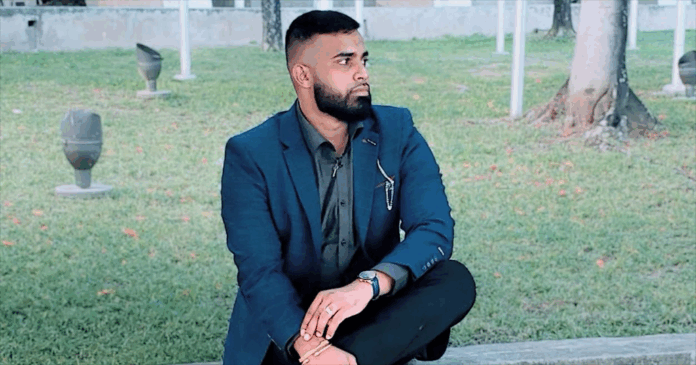
About Amit:
My name is Amit Bahadoor. With several years of experience in the oil and gas sector, I’ve developed a strong foundation in logistics, operations, and supply chain management. While I value my professional journey, my true passion lies in serving others and living a life anchored in faith. I believe in putting God first in all that I do.
My heart is especially drawn to those who feel lost, overwhelmed, or without hope. I aim to be a voice of encouragement and guidance, helping others discover healing, purpose, and the reminder that no matter their situation, there is always a way forward.
WHAT WAS THE MAJOR TURNING POINT IN YOUR MENTAL HEALTH RECOVERY?
The major turning point in my recovery came when I stopped pretending I was okay. After losing everything in a devastating arson attack, I was mentally drained—haunted by the sounds of my family screaming, the pain in their eyes, the weight of trying to be strong when I was completely broken inside. For a while, I wore the mask. Smiled. Carried on. But deep down, I was drowning.
The shift happened when I finally admitted to myself and to God, “I can’t do this alone.” It was in that raw place—where I had nothing left—that I felt God say, “I’m with you. I’ll rebuild.” That moment changed everything. I began to lean on my faith more. I allowed my family and friends to hold space for me. I spoke up. I prayed. I cried. I healed.
The turning point wasn’t just about one event. It was about giving myself permission to be human—and trusting that even in my weakness, I wasn’t alone. That’s when the real healing began. That’s when I started rising from the ashes.
WHAT ARE SOME THINGS THAT REALLY HELPED?
The things that helped me overcome were the support of close friends, spending time with them, and learning to control my mind. Most times, my thoughts would stray, but I created a list of positive things in my life and whenever I felt depressed, I would read through that list to remind myself of the good that still exists around me.
Some other things that helped include:
Doing What I Love:
- Two weeks after the arson incident, I forced myself to return to spaces I love, such as the gym.
- I even moved to a new, unfamiliar gym where I met new people to work out with. I spent some of my time talking to them and getting to know them better while exercising.
- This helped me spend less time dwelling on the negatives and more time focusing on improving myself both physically and mentally.
Spending Time With Family, Friends, and my Faith:
- My faith in God gave me peace, strength, and the hope that He would rebuild what was lost.
- The love and support of my family and friends reminded me I wasn’t alone and helped me stay grounded.
- Whenever I have free time, I like to explore new places to eat with friends – usually a different spot each month.
Keeping Things Simple:
- Doing what I love, sharing my story, and doing simple things I enjoy helped me reconnect with life and heal.
- The things I enjoy are talking to people, surfing the internet, and trying new food.
I try not to focus on the negatives. Instead, I look up at the sky and lift my head, reminding myself to keep going. After everything I’ve lost, I had to reset my life and start thinking about how to rebuild it anew.
WHAT ADVICE WOULD YOU GIVE TO OTHER GUYS FIGHTING TO IMPROVE THEIR MENTAL HEALTH?
You don’t have to carry it all alone. Silence may feel like strength, but real courage is speaking up—even if your voice shakes.
Give yourself permission to feel. Cry if you need to. Talk to someone you trust. Don’t wait until you break to ask for help.
And above all, trust that healing is possible. Even in the ashes, God can rebuild. You are not alone, and this moment—no matter how dark—isn’t the end of your story.
-Amit Bahadoor, Mayaro, Port of Spain, Trinidad

