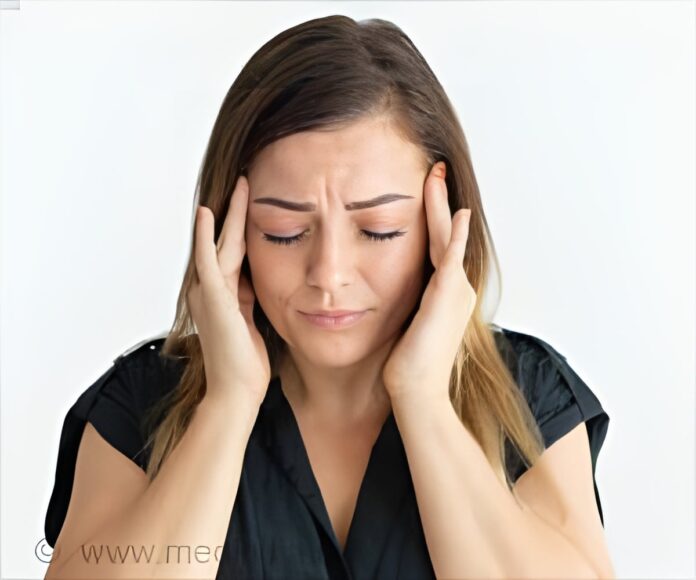
That brief dizziness when you stand up may be your body signaling dehydration or blood pressure changes.
- Dizziness when standing up is often caused by a temporary drop in blood pressure
- Dehydration and poor circulation can increase the likelihood of these episodes
- Frequent or severe dizziness should be evaluated by a healthcare professional
Feeling dizzy when standing up quickly is a common experience for many people. It often lasts only a few seconds but can feel alarming. This sensation may occur when the body struggles to adjust blood flow rapidly. While occasional dizziness may not be serious, frequent episodes should not be ignored. Understanding dizziness on standing helps identify potential underlying causes.
Medical experts explain that this condition is often linked to sudden changes in blood pressure. When a person stands, gravity causes blood to pool in the lower body. The body must quickly adjust to maintain blood flow to the brain. If this adjustment is delayed, dizziness can occur. This is commonly referred to as orthostatic hypotension (1).
What Causes Dizziness When Standing Up Quickly?
The primary cause of dizziness on standing is a temporary drop in blood pressure. This can happen when the body does not respond quickly enough to position changes. Blood vessels and heart rate must adjust rapidly to maintain circulation. If this response is slow, the brain receives less blood for a short time. This leads to temporary lightheadedness.
Several factors can contribute to this condition, including dehydration and prolonged sitting. Lack of fluids reduces blood volume, making it harder for the body to maintain pressure (1). Certain medications may also affect blood pressure regulation (2). Identifying these triggers can help reduce symptoms. Understanding blood pressure changes is key to managing this condition.
Role Of Hydration In Preventing Dizziness
Hydration plays a critical role in maintaining stable blood pressure levels. When the body is dehydrated, blood volume decreases, affecting circulation. This makes it harder for the body to adapt when changing positions. Drinking adequate fluids supports better cardiovascular function. Maintaining proper hydration can reduce dizziness episodes.
Electrolyte balance is also important in regulating fluid levels and blood pressure. Loss of fluids through sweating or illness can worsen symptoms (3). Increasing water intake and consuming balanced meals can help maintain stability. Simple lifestyle changes can make a noticeable difference. Supporting fluid balance is essential for overall health.
When Dizziness Could Signal A Health Concern
Occasional dizziness may not be a cause for concern, but frequent episodes should be evaluated. Persistent symptoms may indicate underlying health conditions. These may include low blood pressure, anemia, or heart-related issues. In some cases, neurological conditions may also contribute. Recognizing warning signs helps determine when to seek medical advice.
Symptoms such as fainting, chest pain, or severe weakness require immediate attention. These may indicate more serious conditions that need prompt evaluation. Ignoring repeated dizziness can delay diagnosis and treatment. Early medical consultation can prevent complications. Paying attention to persistent dizziness is important.
Simple Lifestyle Changes To Reduce Dizziness
Making small adjustments in daily habits can help manage dizziness effectively. Standing up slowly instead of suddenly can allow the body time to adjust. Regular physical activity improves circulation and cardiovascular health. Avoiding long periods of inactivity can also reduce symptoms. Practicing gradual movement habits supports better stability.
Maintaining a balanced diet and staying hydrated further supports blood pressure regulation. Wearing compression stockings may help some individuals improve circulation. Monitoring medication side effects is also important. These steps can significantly reduce the frequency of dizziness episodes. Adopting healthy lifestyle practices can improve the quality of life.
How The Body Regulates Blood Pressure?
The body uses a complex system to regulate blood pressure during movement. Sensors in blood vessels detect changes in pressure and send signals to the brain. The brain then adjusts heart rate and blood vessel constriction accordingly. This process helps maintain steady blood flow to vital organs. Understanding blood pressure regulation explains why dizziness occurs.
In some individuals, this system may not respond quickly enough. Aging, dehydration, and certain health conditions can affect this response. Improving overall health can enhance the body’s ability to regulate pressure. Awareness of these mechanisms supports better prevention strategies. Maintaining cardiovascular health is essential for stability.
Frequently Asked Questions
Which doctor should I consult for dizziness when standing up?
If you are feeling dizzy, a general physician can evaluate your symptoms and refer you to a cardiologist if needed.
Is dizziness when standing up normal?
Occasional dizziness on standing up can be normal, but frequent episodes may require medical evaluation.
Can dehydration cause dizziness?
Yes, dehydration reduces blood volume and can lead to dizziness when standing.
What is orthostatic hypotension?
Orthostatic hypotension is a condition where blood pressure drops suddenly when standing up.
How can I prevent dizziness?
Staying hydrated, standing slowly, and maintaining a healthy lifestyle can help prevent dizziness.
References:
- Orthostatic Hypotension
(Ringer M, Hashmi MF, Lappin SL. Orthostatic Hypotension. [Updated 2025 Jan 17]. In: StatPearls [Internet]. Treasure Island (FL): StatPearls Publishing; 2026 Jan-. Available from: https://www.ncbi.nlm.nih.gov/books/NBK448192/) - Drug-induced orthostatic hypotension: A systematic review and meta-analysis of randomised controlled trials
(Bhanu C, Nimmons D, Petersen I, Orlu M, Davis D, Hussain H, Magammanage S, Walters K. Drug-induced orthostatic hypotension: A systematic review and meta-analysis of randomised controlled trials. PLoS Med. 2021 Nov 9;18(11):e1003821. doi: 10.1371/journal.pmed.1003821. PMID: 34752479; PMCID: PMC8577726.) - The Effect of Electrolytes on Blood Pressure: A Brief Summary of Meta-Analyses
(Iqbal S, Klammer N, Ekmekcioglu C. The Effect of Electrolytes on Blood Pressure: A Brief Summary of Meta-Analyses. Nutrients. 2019 Jun 17;11(6):1362. doi: 10.3390/nu11061362. PMID: 31212974; PMCID: PMC6627949.)
Source-Medindia