My dad used to say that when you were in the army,
you should never volunteer for anything. I believe that makes a lot of sense
when you are in a warzone. I remember Jim sending letters home from Vietnam and
telling me that his buddy, Webb, volunteered them to make trips to a place he
called “Duc Duc.” I got the distinct impression that traveling to this place
was more dangerous than staying in Long Bihn.
Although volunteering for a dangerous mission
might not be good for your health, volunteering for a charitable organization
has several health benefits. Helping others helps both mental and physical
health.
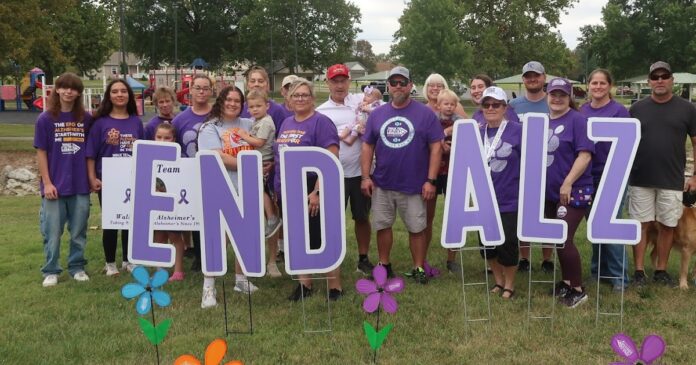
I’ve been a volunteer for the Alzheimer’s Association
since 1998. As with most volunteers, I pitched in to help an organization that
helped me. I was in contact with my local chapter from the time that Jim first
developed symptoms. Over the years, I served on the Board of Directors, as a
state and national advocate, support group facilitator, speaker, and chaired
the local Walk.
When I read about the proven benefits of being a
volunteer, I agree wholeheartedly. I often felt like I benefited more from
being a volunteer than the Alzheimer’s Association benefited from me being a
volunteer.
Mental
Benefits:
·
Reduces Stress, Anxiety, and Depression
·
Gives a Sense of Purpose
·
Increases Happiness
·
Encourages Social Interaction and Forges New
Friendships
·
Promotes Emotional Healing
Mentally, volunteering became my lifeline in a sea
of uncertainty. As I threw myself into the varied activities, I met other
people who understood the life-shattering differences perpetrated by dementia.
I connected with sisters of the heart who became life-long friends.
One time someone suggested that I give up
volunteering for the Alzheimer’s Association, but I told them that although I
couldn’t stop the progression of the disease, I had found a way to make a
difference. I became a better caregiver when I focused on promoting awareness, seeking
knowledge about dementia, and advocating for effective treatments.
Every person does not have to start at the
beginning of the learning curve. Through support group, and from the
professionals who worked at the Alzheimer’s Association, I learned about
everything from how to avoid financial pitfalls to caregiving tips.
Physical
Benefits:
·
Increases Physical Activity
·
Lowers Blood Pressure
·
Improves Heart Health
·
Decreases Pain Level
Studies show that people who stay actively engaged
in life have better physical health. I really think part of it might be that
you simply have less time to feel sorry for yourself.
I attended a seminar once where the speaker talked
about focus. “If you focus on red cars, you will be surprised at how many red
cars you will see.” Focusing on your health means you are more cognizant of
your choices.
Have you ever noticed that people who actively
volunteer, usually volunteer for more than one organization? It’s because once
your focus is on how to make a positive impact, you can plainly see the need.
Often the most traumatic events in our lives
motivate us into action. Whether that action is participating in an event,
providing financial support, or offering a helping hand—each of us can make a
positive impact on our community.
alz.org/sedaliawalk
July 2025 by L. S. Fisher
http://earlyonset.blogspot.com
#ENDALZ