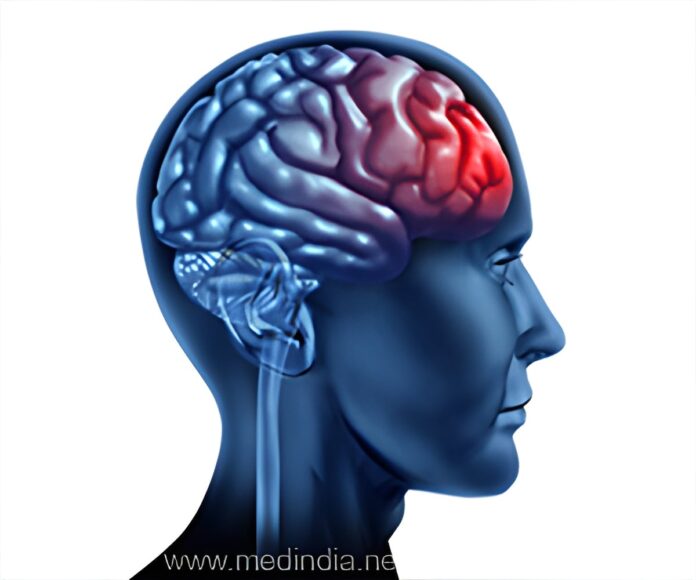
MRI analysis of neurological connections improves outcome prediction after brain injury
Outcomes after a traumatic brain injury (TBI) can vary widely. While some patients go on to make a full recovery, others are left with long-term or severe disabilities. Predicting which path an individual patient will follow remains especially difficult, particularly for those receiving life-sustaining therapy, where traditional clinical assessments offer limited prognostic clarity. ()
TOP INSIGHT

Incredibly promising news for #Traumatic_Brain_Injury patients and families! Researchers are identifying signature patterns of #brainactivity that may predict recovery from TBI. This could lead to more personalized treatment & rehabilitation paths. #TBI #Neuroscience #MedicalBreakthrough
Closing the Prognostic Gap: Using rs-fMRI to Predict Brain Injury Outcomes
Although resting-state functional MRI (rs-fMRI) allows clinicians to examine patterns of brain activity soon after injury, it has remained uncertain whether the degree of early communication between different brain regions can reliably forecast long-term recovery. To address this gap, investigators from Mass General Brigham, working in collaboration with research teams across the United States and Europe, conducted a large, multicenter analysis.
The researchers examined data from three prospective patient cohorts, including 97 individuals who underwent rs-fMRI shortly after sustaining a brain injury. Their analysis revealed that early functional connectivity between three specific pairs of brain regions was strongly associated with better functional outcomes six months later. Patients showing stronger early communication across these networks were more likely to regain functional abilities over time.
Published in PNAS, the findings suggest that rs-fMRI–based measures of brain network communication could become a valuable tool for early prognosis after TBI, potentially helping clinicians better guide treatment decisions, family counseling, and long-term care planning.
Signature Recovery Patterns in Brain Scans Offer Hope for Future TBI Therapies
“Using brain scans, we identified signature patterns of recovery after moderate or severe TBI,” said lead author Sam Snider, MD, of the Division of Neurocritical Care and the Department of Neurology at Mass General Brigham. “These findings open new avenues for prognostic assessment in TBI, and emerging evidence suggests these patterns may be modifiable, raising the possibility of future therapeutic application.”
Researchers investigated a special kind of brain activity known as “anticorrelated” brain activity, which is a hallmark of normal brain function. This means that when one brain region become active, a separate region deactivates.
The researchers analyzed brain scans (resting-state fMRI) from half of the participants with TBI, identifying two patterns in which different brain regions worked in opposite ways and a third in which regions worked together. People with any of the three patterns were more likely to have better outcomes, even after adjusting for factors like sedation and consciousness level.
The researchers incorporated their findings into a model to predict outcomes after TBI. They tested the new method in the other half of the participants. This model did a better job of predicting recovery than older prediction models.
Brain ‘Hub’ Networks That Support Conscious Awareness Predict Outcomes
One pattern that strongly predicted positive outcomes involved parts of the salience network, a coordination “hub” for many brain networks, and the default mode network (DMN), which is active during rest. Together, these regions mediate conscious access to incoming information.
Another pattern included regions involved in cognitive control and basic visual processing. Connectivity between the DMN and language network also helped predict outcomes.
Importantly, findings were consistent across patients with injuries of varying severity, treated in multiple hospitals with different MRI scanners in different countries. Future studies may explore the extent that these neurological connections are essential to recovery and their ability to guide prognostic decision-making after TBI.
References:
- Preservation of anticorrelated brain networks predicts recovery after traumatic brain injury – (https://www.pnas.org/doi/10.1073/pnas.2518159122)
Source-Eurekalert