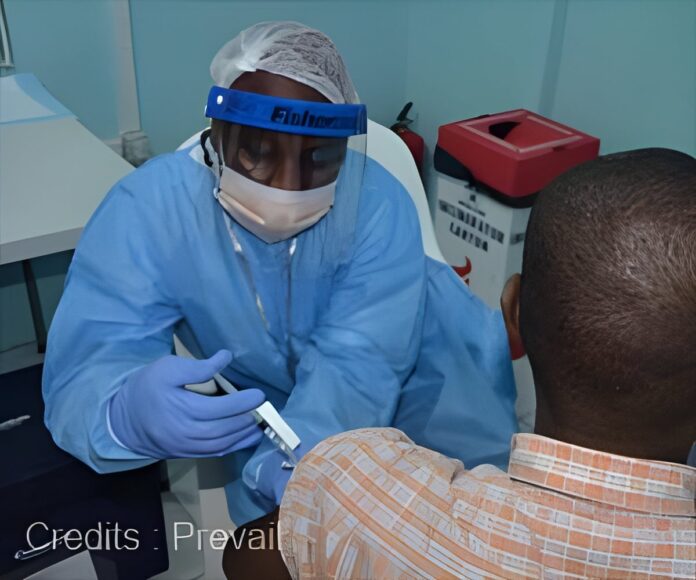
A disease many assumed belonged to the past is making a comeback. Niger State has logged over a hundred diphtheria cases and 17 deaths so far in 2026, and health officials across the wider region are racing to close immunisation gaps before the outbreak spreads further.
Health authorities in Niger State, Nigeria, have confirmed 17 deaths among 124 diphtheria cases recorded between January and August 2026, with three fresh cases reported in just the past week. State Health Commissioner Dr Murtala Bagana said 74 patients have since recovered and been discharged, and that two mass vaccination drives have already been rolled out this year in an effort to close the immunity gap behind the outbreak. (1✔ ✔Trusted Source
An Update of Diphtheria Outbreak in Nigeria
Go to source
)
The cases of diphtheria are reported in Bida, Shiroro and Suleja local government areas of the state in recent months. Though the disease has been curtailed in these regions, out of the detected cases 103 were treated and discharged but 17 lost their lives due to this deadly disease.
Diphtheria Outbreak
Niger’s numbers are part of a much larger pattern. Across eight countries in the WHO African Region — Algeria, Chad, Guinea, Mali, Mauritania, Niger, Nigeria, and South Africa — more than 20,000 suspected diphtheria cases and over 1,250 deaths were recorded between January and early November 2025 alone, with several of these outbreaks running continuously since 2023.
WHO has classified the situation as a Grade 2 emergency, citing the risk of further spread, low vaccination coverage in conflict-affected areas, and a global shortage of diphtheria antitoxin. (2✔ ✔Trusted Source
Diphtheria in Sub-Saharan Africa
Go to source)
What Is Diphtheria?
Diphtheria is caused by Corynebacterium diphtheriae, a bacterium that typically settles in the throat and nose. What makes it dangerous isn’t the bacteria alone but the diphtheria toxin it produces — a poison that can travel through the bloodstream and damage the heart, kidneys, and nervous system, even after the initial throat infection has been treated.
Humans are the only known carriers, and the germ spreads through respiratory droplets from coughing or sneezing, or through contact with sores in the case of skin (cutaneous) diphtheria.
Diphtheria Symptoms to Watch For
The illness usually shows up two to five days after exposure, starting with a sore throat, mild fever, swollen neck glands, and general fatigue. Its hallmark feature is a thick, greyish coating that forms across the throat and tonsils — a membrane that can bleed if disturbed and, in severe cases, grow large enough to block the airway, causing breathing difficulty, a hoarse voice, or a whistling sound while breathing.
Because the toxin doesn’t stay confined to the throat, complications can appear even after the local infection starts improving — inflammation of the heart muscle, nerve damage affecting swallowing or limb movement, and kidney injury are among the most serious.
Diphtheria Treatment: Why Speed Matters
Diphtheria treatment rests on two pillars: diphtheria antitoxin (DAT), which neutralises the toxin still circulating in the body, and antibiotics — typically azithromycin or penicillin — to clear the bacteria itself. The catch is timing: antitoxin only works against toxin that hasn’t yet attached to body tissue, so any delay in diagnosis or in accessing DAT sharply worsens outcomes.
This is precisely where the current outbreak is running into trouble. WHO has flagged a global shortage of diphtheria antitoxin, combined with limited laboratory capacity in the affected countries, as a major obstacle to effective case management.
Bagana emphasized that the parents depriving their children of immunisation/vaccinations to prevent diphtheria, measles and other vaccine-preventable infections and childhood diseases has led to this outbreak.
Overall, diphtheria proves fatal in roughly 5 to 10% of cases, but in areas with poor access to DAT, that figure can climb as high as 40%. (3✔ ✔Trusted Source
Diphtheria
Go to source)
Diphtheria and Whooping Cough: A Shared Vaccine Story
Diphtheria rarely comes up in conversation without whooping cough, pertussis alongside it, and for good reason — both are bacterial respiratory infections that spread easily among unvaccinated children, and both are covered by the same combination shot.
The DTP vaccine (diphtheria, tetanus, and pertussis) is given in a series during infancy, with booster doses recommended later in childhood. Where routine immunisation coverage drops — as has happened in several of the African countries now facing outbreaks — both diseases tend to resurface together, often in the same communities.
In several outbreak zones running vaccination campaigns, particularly for children, adolescents, and displaced populations, alongside stronger surveillance can help to catch cases earlier. Government officials have also urged parents to get their children vaccinated at the earliest to prevent the outbreak.
References:
- An Update of Diphtheria Outbreak in Nigeria – (https://ncdc.gov.ng/diseases/sitreps/?cat=18&name=An%20Update%20of%20Diphtheria%20Outbreak%20in%20Nigeria)
- Diphtheria in Sub-Saharan Africa – (https://wwwnc.cdc.gov/travel/notices/level1/diphtheria-sub-saharan-africa)
- Diphtheria – (https://ncdc.gov.ng/diseases/info/D)
Source-World Health Organization, Nigeria Centre for Disease Control (NCDC),Centre of Disease control