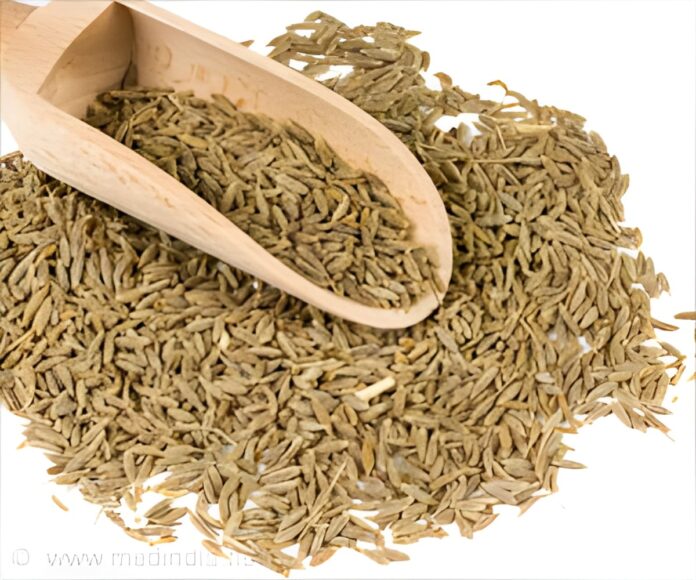
Black cumin seeds have antioxidant, anti-inflammatory and metabolic effects that may help manage major chronic diseases. More clinical studies are needed.
- Bioactive compounds in black cumin support multiple disease pathways
- Shows antioxidant, anti-inflammatory, antimicrobial, and metabolic benefits in studies
- Research suggests value as a complementary option for chronic conditions
Black cumin, also known as Nigella sativa or black seed, has been used in traditional healing systems for centuries (1✔ ✔Trusted Source
Potential of Secondary Metabolite Compounds of Black Cumin Seeds (Nigella sativa L.) as Therapeutic Agents for Chronic Diseases
Go to source
).
Researchers are now investigating its scientific potential in managing chronic diseases that affect millions worldwide including diabetes, heart disease, cancer and immune disorders. Many current treatments do not fully address oxidative stress or inflammation which are key drivers of disease progression.
TOP INSIGHT

Did You Know?
Black cumin has over 100 active compounds that can target #inflammation, #metabolism, microbes, and even #cancer pathways, making it a promising natural therapy. #blackcumin #nigellasativa #naturalmedicine #chronicdisease #medindia
Nature Derived Protection for the Body
The review highlights that black cumin contains powerful bioactive compounds. The most studied component is thymoquinone which shows strong antioxidant and anti-inflammatory actions. By reducing harmful molecules in the body and calming overactive immune responses, black cumin may help slow chronic disease mechanisms.
Benefits for Metabolic Health
Research suggests that black cumin may improve blood glucose, insulin response and lipid levels in early clinical studies. This could support people with diabetes and metabolic syndrome where drug therapy alone may not fully manage oxidative damage.
Supporting Immunity and Infection Control
Black cumin extracts show antimicrobial activity against common bacteria and fungi. Mild infections and allergic responses can potentially benefit from its immune balancing effects which are demonstrated in preclinical and small human studies.
Promising Early Findings in Cancer Research
Laboratory studies show that black cumin compounds may help fight the growth of harmful cells by triggering apoptosis and cell cycle arrest. Although promising, these findings require more advanced clinical research to confirm safety and effectiveness in humans (2✔ ✔Trusted Source
Potential Pharmacological Applications of Nigella Seeds with a Focus on Nigella sativa and Its Constituents against Chronic Inflammatory Diseases: Progress and Future Opportunities
Go to source
).
Final Takeaway:
Black cumin is a strong example of how traditional plants are guiding new research to manage conditions involving inflammation, metabolism, and oxidative stress.
Larger human studies will help define how and when it can be used safely with modern treatments.
References:
- Potential of Secondary Metabolite Compounds of Black Cumin Seeds (Nigella sativa L.) as Therapeutic Agents for Chronic Diseases – (https://www.dovepress.com/potential-of-secondary-metabolite-compounds-of-black-cumin-seeds-nigel-peer-reviewed-fulltext-article-DDDT)
- Potential Pharmacological Applications of Nigella Seeds with a Focus on Nigella sativa and Its Constituents against Chronic Inflammatory Diseases: Progress and Future Opportunities – (https://pubmed.ncbi.nlm.nih.gov/38005726/)
Source-Medindia