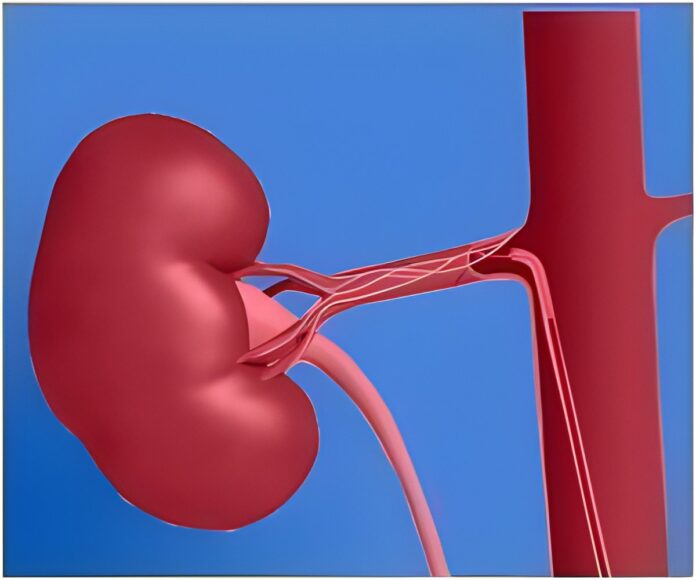
Lubiprostone, a constipation medication, was shown to slow kidney function decline in CKD patients by increasing gut-derived spermidine, which enhances mitochondrial function—offering a novel therapeutic avenue.
- Lubiprostone helps slow kidney damage in CKD
- Works through gut bacteria by raising spermidine levels
- A larger Phase III trial is being planned
Chronic kidney disease (CKD) often progresses silently until patients require dialysis, a significant global health burden. While no current drugs reverse CKD, a Japanese team has found promising results using lubiprostone, a widely prescribed constipation treatment (1✔ ✔Trusted Source
Lubiprostone in chronic kidney disease: Insights into mitochondrial function and polyamines from a randomized phase 2 clinical trial
Go to source
).
Advertisement
Clinical Trial Results: How It Works
The multicenter Phase II trial (LUBI-CKD) enrolled 150 patients with moderate CKD across nine Japanese institutions. Participants received either eight µg or 16 µg of lubiprostone or a placebo. Results showed that the drug suppressed the decline in kidney function—measured by eGFR decline—in a dose-dependent manner, compared to placebo.
Advertisement
Gut Microbiome and Spermidine: The Mechanism Behind It
Constipation is common in CKD and disrupts the gut environment, potentially worsening renal health. The researchers noted that lubiprostone boosts production of spermidine, a bacterial metabolite known to enhance mitochondrial function. Improved mitochondria may protect kidney cells from damage.
Advertisement
What This Means for CKD Management
“This discovery may significantly transform the conventional CKD approach, which mainly focuses on reducing uremic toxins,” says the research team. CKD care could now include targeting intestinal health to preserve kidney function early.
Looking Ahead: Phase III Trial & Personalized Medicine
The promising results pave the way for a larger Phase III trial to validate efficacy in a broader CKD population. The team also plans to explore biomarkers that predict treatment response, aiming for individualized CKD care using gut-targeted therapy.
Reference:
- Lubiprostone in chronic kidney disease: Insights into mitochondrial function and polyamines from a randomized phase 2 clinical trial – (https://www.science.org/doi/10.1126/sciadv.adw3934)
Source-Medindia