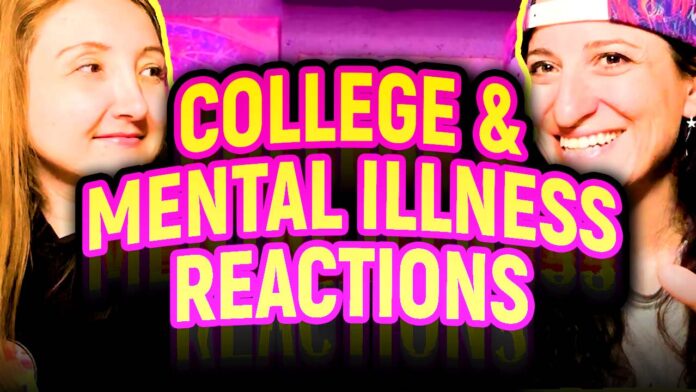
College & Mental Illness: Reacting to TikToks That Get It
College is often portrayed as the “best time of your life”—but for students dealing with mental illness, it can feel like a constant uphill battle. In this episode, Michelle Hammer, a mental health advocate living with schizophrenia and founder of Schizophrenic.NYC, teams up with Carolyn to talk all about the realities of managing mental illness in college.
From anxiety and depression to navigating classes, social life, and stigma, Michelle and Carolyn break down the mental health challenges that are way more common than people think. And to keep it real? They react to viral TikToks that hilariously (and sometimes painfully) capture what it’s like to be a college student struggling with mental health.
Expect honesty, laughs, and some much-needed validation for anyone who’s ever cried in the library or ghosted their group project because their brain said nope.
Whether you’re a student currently going through it, or someone who’s been there before—this video is for you.
Learn more about Michelle and her company
Shop: https://www.Schizophrenic.NYC
IG: https://www.Instagram.com/schizophrenic.nyc
TikTok: https://www.tiktok.com/@schizophrenic.nyc
TW: https://twitter.com/schizophrenicny
FB: https://www.facebook.com/SchizophrenicNYC