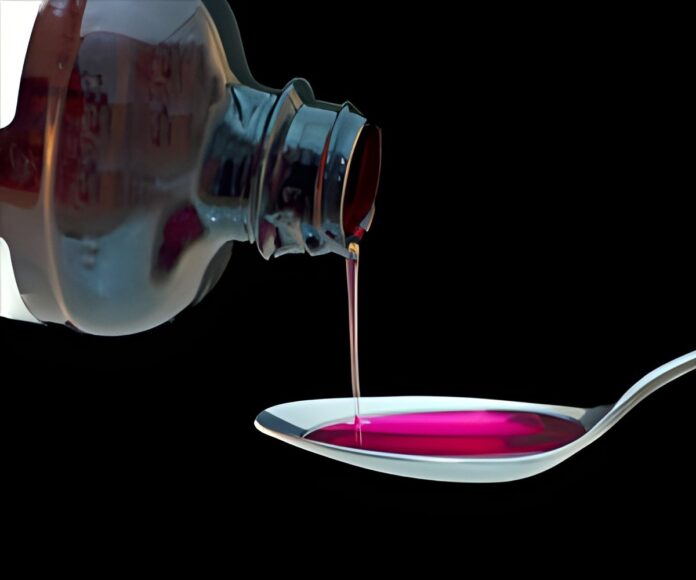
2 kids died in Rajasthan after taking govt-supplied cough syrup. With the batch banned, a question arises: Do we need syrups?
The Union Health Ministry has issued a nationwide advisory urging states and union territories to ensure rational prescribing and dispensing of cough syrups for children, after 11 child deaths were reported in Madhya Pradesh and Rajasthan, raising alarm over pediatric use of such medicines.
According to official reports, nine children in Chhindwara district of Madhya Pradesh and two children in Rajasthan’s Bharatpur and Sikar districts died after reportedly consuming cough syrups. The cases triggered high-level investigations, with central and state agencies testing syrup samples for contaminants.
A joint team from the National Centre for Disease Control (NCDC), National Institute of Virology (NIV), the Central Drugs Standard Control Organization (CDSCO), and state health authorities conducted lab analyses. Preliminary findings ruled out the presence of Diethylene Glycol (DEG) and Ethylene Glycol (EG)—industrial solvents known to cause fatal kidney injuries. Local testing confirmed the same.
Despite the absence of contaminants, investigators found that one formulation used in Rajasthan contained dextromethorphan, a compound not recommended for pediatric use. In Madhya Pradesh, one child tested positive for leptospirosis, indicating that environmental or infectious factors may also have played a role. Broader testing of water, vector, and environmental samples is still underway.
Advisory Highlights
The Directorate General of Health Services (DGHS) has now directed all states, UTs, and district health bodies to exercise extreme caution in prescribing syrups to children. Key recommendations include:
- Children under two years must not be given cough syrups.
- Below five years, syrups should be avoided unless strictly necessary after clinical evaluation.
- Most acute cough illnesses in children are self-limiting and require no drug intervention.
- Doctors must prescribe only single-drug formulations with correct dosage and minimal duration.
- Non-pharmacological approaches such as rest, hydration, and home remedies should be prioritized.
- States must ensure procurement only from manufacturers following Good Manufacturing Practices (GMP) to prevent contamination risks.
Why It Matters
The deaths in Madhya Pradesh and Rajasthan have reignited concerns about the misuse and over-prescription of cough syrups in India’s pediatric population. Health experts warn that parental pressure, over-the-counter access, and irrational combinations often lead to unsafe consumption.
India has also faced global scrutiny in the past after contaminated syrups exported from the country were linked to child fatalities abroad. Although no contamination was found in the current cases, the Health Ministry’s advisory aims to prevent both misuse and potential quality lapses in the future.
The Road Ahead
Authorities emphasize that the advisory will only be effective if backed by strict implementation on the ground.
This includes monitoring retail pharmacies, training healthcare workers on rational pediatric prescribing, and spreading awareness among parents about the risks of unnecessary cough syrup use.
With 11 young lives lost, the government’s latest move signals an urgent push to tighten pediatric drug safety—balancing the need for symptom relief with the priority of protecting children’s health.
Source-Medindia