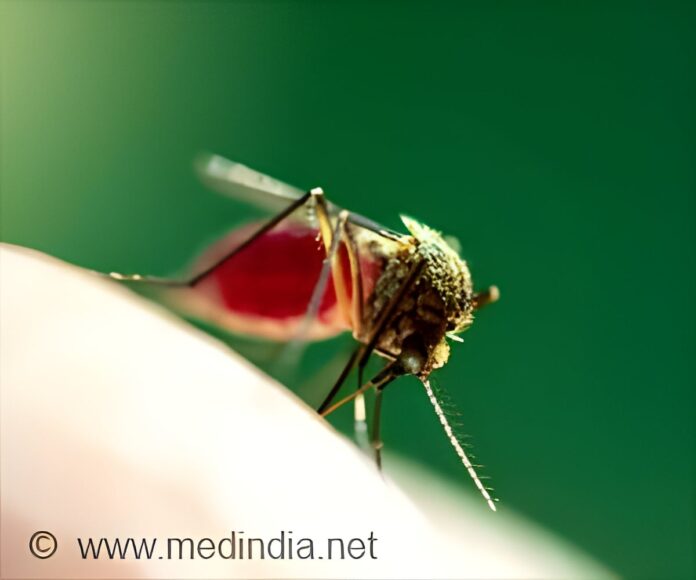
Dengue cases are climbing worldwide, prompting the CDC to urge travelers to take mosquito precautions.
The U.S. Centers for Disease Control and Prevention (CDC) has issued a renewed global travel advisory over dengue fever, a mosquito-borne illness often nicknamed “breakbone fever” because of the intense muscle and joint pain it can cause. ()
The warning comes as health officials track a higher-than-expected number of dengue infections among travelers returning to the United States from several affected countries.
Why Dengue’s Global Spread Is Raising Concern
Although the CDC has categorized the notice as a Level 1 travel health alert, meaning travelers are advised to practice routine precautions rather than avoid travel altogether, the advisory reflects growing concern over the disease’s continued spread across tropical and subtropical regions. The alert highlights that dengue remains a year-round risk in many parts of the world, with outbreaks often flaring in cycles every few years.
Dengue is caused by a virus transmitted through the bite of infected mosquitoes, primarily Aedes aegypti and Aedes albopictus. These mosquitoes are especially active during the daytime and thrive in warm, humid environments, often breeding in standing water found around homes, hotels, and urban neighborhoods. Because of this, travelers can be exposed not only in rural areas but also in popular tourist destinations and major cities.
Health officials say the illness can begin suddenly and often resembles a severe flu-like infection. Common symptoms include high fever, headache, nausea, vomiting, rash, and significant body pain, particularly in the muscles, bones, and joints.
That severe body pain is what has earned dengue its dramatic nickname. While many people recover within days to a couple of weeks, some cases can progress rapidly into a dangerous form of the illness known as severe dengue, which can become life-threatening without urgent medical care.
When Dengue Turns Dangerous
Doctors warn that severe dengue can develop after the fever begins to subside, a stage when some patients mistakenly believe they are improving. Warning signs include persistent vomiting, abdominal pain, unusual bleeding, extreme weakness, restlessness, or fluid buildup in the body.
In serious cases, the disease can lead to shock, internal bleeding, organ damage, and death. The CDC notes that people who have had dengue before may face a greater risk of developing a severe infection if they are infected again.
The latest CDC notice identifies a group of countries where dengue activity has been elevated and where returning U.S. travelers have tested positive after recent trips. The agency’s broader dengue watch list for 2026 includes countries across Asia, Africa, the Pacific, and the Americas, underscoring how international travel can quickly turn local outbreaks into cross-border public health concerns.
The CDC’s current travel notice names countries including Afghanistan, Bangladesh, Colombia, Cuba, Guyana, Maldives, Mali, Mauritania, Pakistan, Samoa, Sudan, Timor-Leste, Vietnam, the Cook Islands, and New Caledonia, among others flagged for heightened dengue activity.
Dengue’s Global Spread Is Accelerating
The advisory also serves as a reminder that dengue is no longer viewed as a distant tropical illness affecting only a handful of regions. Public health agencies have been watching the disease closely as climate conditions, urban crowding, travel patterns, and mosquito expansion increase the chances of outbreaks in new areas.
According to European disease surveillance data, more than 100,000 dengue cases were reported globally in January 2026 alone across dozens of countries and territories, highlighting the scale of the problem early in the year.
In the United States, most dengue infections are linked to travel, but health officials continue to monitor for local transmission in some regions and territories where the mosquitoes that spread the virus are already established. CDC data show that hundreds of dengue cases have already been reported in the U.S. in 2026, with many of them tied to international travel.
Because there is no specific antiviral treatment for dengue, prevention remains the strongest defense. The CDC is urging travelers to use EPA-registered insect repellents, wear long sleeves and long pants, and stay in air-conditioned or screened accommodations whenever possible. People are also advised to eliminate standing water around where they stay, since even small containers can become mosquito breeding grounds.
Post-Travel Dengue Risk Remains a Concern
Travelers returning from dengue-prone regions are being asked to remain cautious even after they get home. If an infected person is bitten by a mosquito shortly after returning, there is a small possibility that the mosquito could then spread the virus locally.
For that reason, health authorities recommend that recent travelers continue taking steps to avoid mosquito bites for several weeks after returning, especially if they develop symptoms.
Medical experts say people planning international travel should not panic, but they should not dismiss the warning either. A Level 1 advisory does not mean trips should be canceled; instead, it signals that travelers need to be aware of the health risk and take mosquito prevention seriously.
For many travelers, especially those heading into warm-weather destinations during peak mosquito activity, simple protective steps could make the difference between a safe vacation and a serious illness.
As dengue cases continue to rise in multiple parts of the world, the CDC’s latest alert is less about fear and more about preparedness. In an era of fast-moving global travel and climate-sensitive disease patterns, even a routine holiday can carry hidden public health risks. For travelers this season, the message is clear: pack the sunscreen — but don’t forget the mosquito repellent.
References:
- Areas with Risk of Dengue – (https://www.cdc.gov/dengue/areas-with-risk/index.html)
Source-Medindia