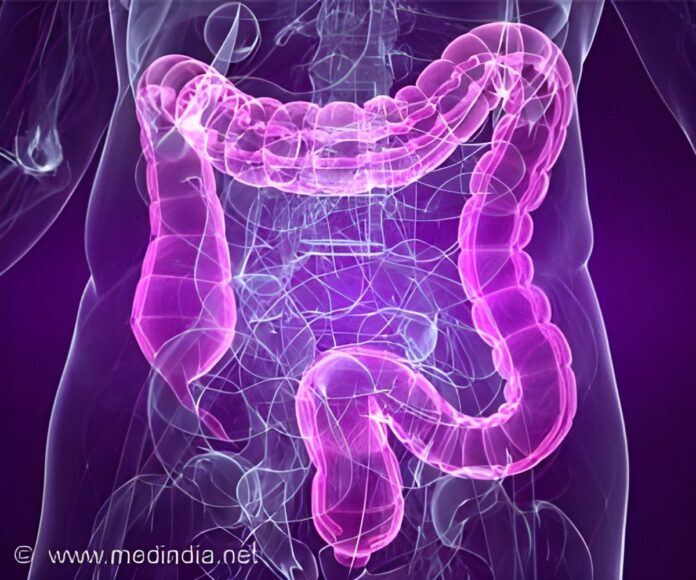
A scientific review suggests that several commonly used medications can disturb gut microbes, increase inflammation and create conditions that may elevate colorectal cancer risk.
- Many routine medicines can disturb gut microbial balance
- Medication related dysbiosis may increase colon cancer susceptibility
- Gut disruption may persist even after the drug is discontinued
Many medications used in daily medical care play an essential role in treating chronic illnesses, yet emerging evidence suggests they may also affect the gut in ways that influence long term health. A recent scientific analysis has identified that several commonly used drugs can disturb the gut microbiome. This disruption may increase inflammation and weaken the colon’s protective environment, which can contribute to colorectal cancer risk (1✔ ✔Trusted Source
The role of gut microbiota and drug interactions in the development of colorectal cancer
Go to source
).
TOP INSIGHT

Did You Know?
Regular medications can quietly shift your gut bacteria toward harmful patterns linked with colon #cancer.
#GutHealth #Microbiome #ColonCancer #Medindia
How Routine Medicines Influence Gut Microbial Balance
The gut microbiome consists of trillions of organisms that support digestion, immune function, and inflammatory control. When this system is disturbed, a condition known as dysbiosis, harmful bacteria may increase while protective species decline. This shift raises inflammation and reduces the ability of colon cells to repair DNA damage; a known factor associated with colorectal cancer.
Drugs such as proton pump inhibitors, antibiotics, antidepressants, anti-inflammatory therapies, and certain psychiatric medications have shown notable effects on microbial balance. These medicines can reduce beneficial bacteria and encourage the growth of harmful strains that produce toxins or inflammation promoting compounds.
Drug Classes Identified with Measurable Gut Impact
The reviewed findings indicate that multiple drug classes have a significant influence on gut composition. Proton pump inhibitors change gut pH and reduce microbial diversity. Antibiotics can eliminate protective organisms and allow overgrowth of inflammatory microbes such as Clostridium difficile. Psychiatric medicines have been shown to alter microbial patterns that may weaken immune monitoring in the colon.
Importantly, research suggests that these microbial changes may continue for extended periods even after discontinuing the medication. This indicates deeper, longer lasting effects on the gut environment.
Why Microbial Disruption Matters for Colon Cancer
Changes in the gut microbiome activate several pathways associated with colorectal cancer. These include:
- DNA damage caused by oxidative stress
- Reduced efficiency in DNA repair processes
- Altered gut metabolites such as bile acids and short chain fatty acids
- Increased growth of harmful microbes including Fusobacterium nucleatum, which is linked with tumor progression
These factors increase inflammation, encourage abnormal cell growth, and weaken immune defenses within the colon.
What Patients Should Understand
These findings do not suggest that essential medicines should be stopped. Instead, they emphasize the importance of awareness and supportive habits. People who require long term medications such as proton pump inhibitors, repeated antibiotic courses, or psychiatric therapies may benefit from gut protective approaches, including probiotics, fiber rich diets, and discussions with healthcare providers regarding possible alternatives.
Final Takeaway
Supporting gut health is an important part of long-term digestive and immune wellbeing. Understanding how routine medicines influence gut microbes allows patients and doctors to make informed decisions that protect against colon cancer risk.
Reference:
- The role of gut microbiota and drug interactions in the development of colorectal cancer – (https://www.frontiersin.org/journals/pharmacology/articles/10.3389/fphar.2023.1265136/full)
Source-Medindia