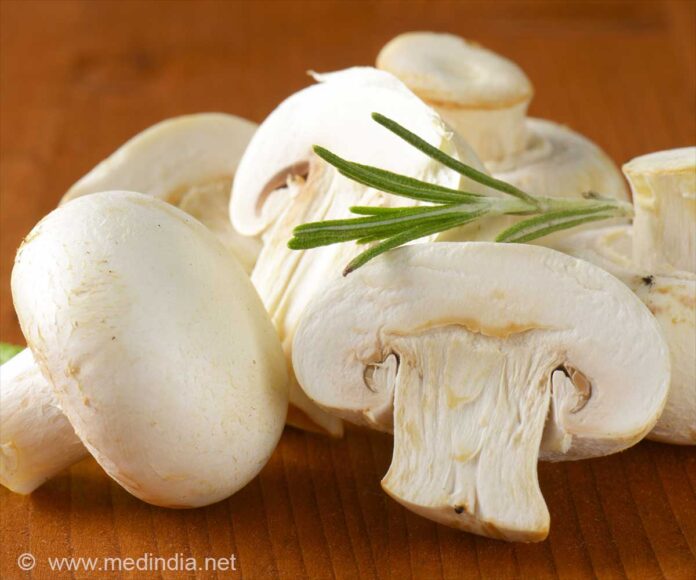
Ergothioneine, a rare antioxidant found in mushrooms, may protect the brain, heart, and mitochondria; however, researchers emphasize that large-scale clinical trials are still needed.
- A rare antioxidant in mushrooms may slow aging and protect vital organs
- Low levels are linked to faster memory decline and higher heart risk
- Scientists call it a possible “longevity vitamin,” but more trials are needed
A powerful antioxidant found almost only in mushrooms, ergothioneine (EGT), is gaining attention as a possible “longevity vitamin.” Researchers say this rare compound may help protect the brain, heart, and mitochondria from long-term damage caused by oxidative stress and inflammation (1✔ ✔Trusted Source
Is ergothioneine a ‘longevity vitamin’ limited in the American diet?
Go to source
).
Unlike most antioxidants, your body cannot make EGT. It must come entirely from your diet, and mushrooms are by far the richest source.
Some scientists even argue EGT may deserve its own vitamin status because the body builds a special transporter (OCTN1) just to absorb and store it.
So what makes this molecule so interesting?
TOP INSIGHT

Did You Know?
A tiny molecule in mushrooms could be your cells’ best long-term bodyguard.
#healthyaging #mushrooms #longevity #brainhealth #medindia
What Exactly Is Ergothioneine?
EGT is a sulfur-containing amino acid produced by fungi and certain bacteria. Humans and animals cannot make it — we only get it from food.
Once eaten, the body actively transports EGT into tissues most vulnerable to damage, such as:
- bone marrow
- red blood cells
- immune cells
- the heart
- mitochondria-containing tissues
This selective storage suggests EGT plays a protective, stress-buffering role.
Why Scientists Call It a “Longevity Molecule”
EGT’s structure allows it to withstand oxidation better than other antioxidants. It can:
- neutralize harmful free radicals
- protect DNA and proteins
- reduce chronic inflammation
- buffer mitochondria during stress
This matters because oxidative stress is a major driver of aging, dementia, metabolic decline, and heart disease.
Brain Health: Low Levels May Predict Faster Decline
Several human studies show a striking pattern. People with lower blood EGT levels tend to have:
- faster cognitive decline
- higher risk of memory impairment
- poorer mental processing with age
A 5-year memory clinic study found that low EGT predicted decline across multiple cognitive domains. Small pilot trials suggest EGT supplements may help with:
- improved prospective memory
- better sleep onset
- subjective cognitive function
However, improvements on objective memory tests were modest and temporary; larger trials are needed.
Cardiovascular Benefits: Strong Observational Evidence
One of the largest studies, tracking 3,236 adults for more than 21 years, found:
- Higher EGT levels = lower risk of heart disease
- Lower cardiovascular mortality
- Lower all-cause mortality
These benefits remained even after accounting for cholesterol, blood pressure, age, diet, and lifestyle. Animal studies suggest that EGT protects heart cells from oxidative stress and may limit damage during periods of reduced blood flow.
Anti-Inflammatory Effects and Immune Health
EGT influences immune pathways linked to chronic inflammation. Variants in the ergothioneine transporter (SLC22A4) are associated with higher risk for:
- Crohn’s disease
- rheumatoid arthritis
- inflammatory flares
This appears to be due to impaired EGT transport, not necessarily low dietary intake.
Where Do You Get Ergothioneine?
Mushrooms dominate the list:
Highest natural sources:
- Oyster mushrooms
- Shiitake
- Maitake
- Lion’s mane
- King trumpet
White button mushrooms contain less, but still meaningful levels.
Others with small amounts:
- beans
- oats
- liver and kidney
- fermented foods (depending on fungi exposure)
Most people get very little EGT unless they eat mushrooms regularly.
Final Takeaway
EGT is one of the rarest dietary antioxidants, and one your body seems to treasure.
Early research suggests it may support healthy aging, brain protection, heart health, reduce exercise-induced oxidative damage, and also improve muscle recovery.
But until large, long-term human trials confirm its benefits, the safest and most natural solution remains simple: Eat more mushrooms. Even a few servings a week could meaningfully boost EGT levels and your long-term health.
Reference:
- Is ergothioneine a ‘longevity vitamin’ limited in the American diet? – (https://www.cambridge.org/core/journals/journal-of-nutritional-science/article/is-ergothioneine-a-longevity-vitamin-limited-in-the-american-diet/31B9A91CEB3A61C8F72CCFD56B85704E)
Source-Medindia