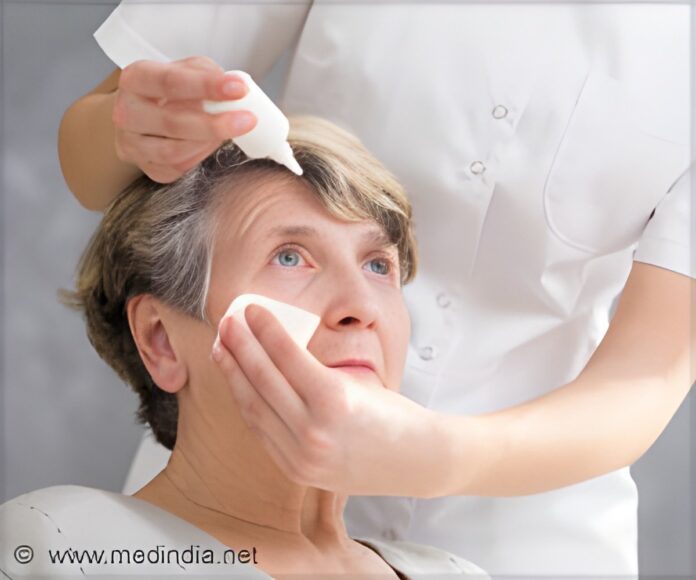
Ditch the reading glasses: Two small drops each day may sharpen your near vision and keep presbyopia at bay- no surgery needed.
- A combination of pilocarpine and diclofenac eye drops improved near vision significantly within an hour for presbyopia patients
- Effects from these drops lasted up to two years, reducing dependency on reading glasses for many
- Side effects were mild and tolerable overall, but more research is needed for widespread recommendation
As we age, many of us find ourselves holding books, menus or smartphones farther away or straining our eyes to read close up. This is presbyopia, a natural change in the eye that makes near vision blurry. Until now, reading glasses or surgery were the main fixes. But recent research suggests there might be a simpler, non-invasive alternative: specially formulated eye drops (1).
Eye Drops to Reduce Symptoms of Presbyopia
A research team in Buenos Aires led by Dr. Giovanna Benozzi studied 766 people (average age about 55) who had presbyopia. Participants were asked to use the eye drops twice a day (once when waking, then about six hours later). They could use a third dose if they felt symptoms returning or needed extra comfort.
The drops combine pilocarpine (which helps the eye adjust to focus on near objects by acting on the lens and pupil) and diclofenac (an anti-inflammatory to reduce irritation that can come from using pilocarpine).
Higher Strength of Pilocarpine in the Eye Drops Lead to Better Improvements in Vision
Vision improvement was seen just one hour after using the drops: on average, people could read about 3.45 more “Jaeger lines” on the near-vision chart without glasses. The higher the pilocarpine strength, the more lines gained.
The group was divided by pilocarpine strength: 1%, 2%, and 3% (all with the same diclofenac component). Some with less severe presbyopia saw great results with just 1%, while others needed 2% or 3% to get bigger gains. Over time, the improvements held up. Many participants still had good reading-vision ability at 12 months, and effects persisted in follow-ups up to two years.
Side Effects and Safety of Eye Drops that Help Reduce Presbyopia
Most side effects were mild. The common ones included temporary dim vision (about a third of people), eye irritation, and headaches. Importantly, nobody in the study had to stop treatment because of side effects. There were no serious issues like retina detachment or rise in eye pressure recorded in this group. But because the study was “retrospective” (looking back at data), and done in a single centre, there are limits: results may not apply to everyone, and larger-scale, multi-centre trials are needed to confirm safety, long-term effects and best dosing.
What This Means for People with Presbyopia
If these drops become more widely available, they may provide a way for many people to reduce their dependence on reading glasses, especially those who dislike glasses or aren’t good candidates for surgery. The treatment is non-invasive, meaning no surgery, just eye drops, which makes it more convenient for many. It may not eliminate the need for glasses entirely for everyone, as results vary based on how far presbyopia has progressed.
Need for Further Research on Drops for Presbyopia
Larger, multi-centre, prospective studies need to be conducted to make sure the drops work well in different populations and are safe in the long term. Researchers also need to determine how people feel using the drops- do they find them easy? Is there annoyance from side effects? It is also important to understand the exact dose that is best for people at different stages of presbyopia.
References:
- Specially formulated eye drops may offer a simple solution for presbyopia patients
(https://www.news-medical.net/news/20250915/Specially-formulated-eye-drops-may-offer-a-simple-solution-for-presbyopia-patients.aspx)
Source-Medindia