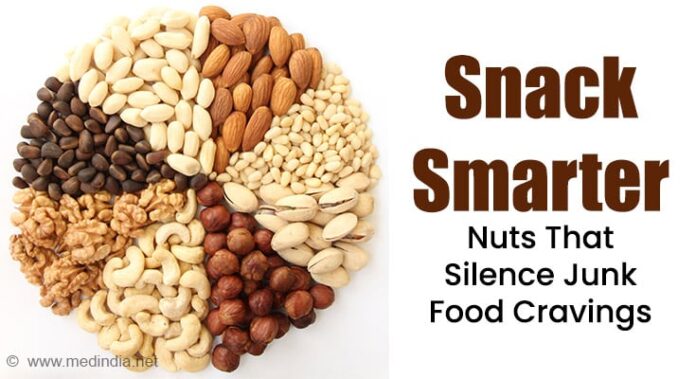
A controlled nutrition study shows that daily tree nut snacks reduce junk food cravings and improve Healthy Eating Index scores in young adults with cardiometabolic risk.
- Tree nut snacks significantly reduced sweet and fast-food cravings
- Healthy Eating Index scores improved by nearly 19 percent
- No weight gain or adverse metabolic effects were observed
Unhealthy snacking patterns are common among young adults, especially those already showing early cardiometabolic risk (1✔ ✔Trusted Source
Consuming Tree Nuts Daily as Between-Meal Snacks Reduces Food Cravings and Improves Diet Quality in American Young Adults at High Metabolic Syndrome Risk
Go to source
).
Refined carbohydrate snacks such as cookies, chips, and sugary bars contribute excess calories while offering limited nutritional value. A new controlled study suggests that a simple dietary swap may help curb cravings and improve diet quality.
A study published in the journal Nutrients examined whether replacing typical high-carbohydrate snacks with tree nuts could reduce food cravings and improve diet quality in young adults at elevated risk for metabolic syndrome.
Metabolic syndrome refers to a cluster of risk factors, including increased body weight, impaired glucose regulation, and abnormal lipid levels that increase the likelihood of future diabetes and cardiovascular disease.
TOP INSIGHT

Do You know?
Young adults who ate a small daily portion of #treenuts reported fewer #foodcravings for #cookies, #candy, and #fast-food, without gaining weight.
#healthysnacking #metabolichealth #foodcravings #medindia
Tree Nut Snack Study in Young Adults with Metabolic Risk
Researchers recruited young adults aged 22 to 36 years with a body mass index between 24.5 and 34.9 kg per square meter and at least one metabolic syndrome risk factor. Participants were weight-stable and followed a standardized diet for two weeks before randomization.
The trial used a parallel, single-blind design lasting 16 weeks. Participants consumed either tree nut snacks or high-carbohydrate snacks twice daily while maintaining energy-balanced diets.
Tree nut snacks consisted of 33.5 grams of mixed unsalted almonds, walnuts, pecans, macadamia nuts, hazelnuts, pistachios, and cashews. The comparison group received energy-matched snacks such as pretzels, animal crackers, graham crackers, and granola bars.
Food Craving Scores and Dietary Assessment Methods
Food cravings were measured using the Food Craving Inventory, which evaluates desire for sweets, fast foods, high-fat foods, and carbohydrates. Dietary intake was assessed using validated 24-hour dietary recalls and food frequency tools.
Overall diet quality was measured using the Healthy Eating Index 2015, a scoring system that reflects adherence to national dietary guidelines. Higher scores are linked with reduced risk of chronic disease and mortality.
Tree Nuts Reduced Sweet and Fast-Food Cravings
Eighty-four participants completed the study, including 40 in the tree nut group and 44 in the high-carbohydrate group. The average age was 28.5 years, and the mean body mass index was 28.4 kg per square meter.
After 16 weeks, the tree nut group showed significant reductions in cravings for cookies, brownies, donuts, candy, ice cream, chips, and pizza. Craving scores for sweets and fast foods declined across multiple categories.
In contrast, the high-carbohydrate snack group did not show meaningful reductions in any craving subscale.
Healthy Eating Index Improved Without Weight Gain
Diet quality improved substantially among participants consuming tree nuts. The total Healthy Eating Index score increased from 52.0 to 62.0, representing an improvement of approximately 19 percent.
Improvements were driven by healthier fat intake, higher-quality protein consumption, better refined grain scores, and lower sodium intake. Despite consuming nuts daily, participants did not experience weight gain.
By comparison, the high-carbohydrate group increased daily energy intake by approximately 349 kilocalories and gained an average of 0.78 kilograms over the study period.
Appetite Hormones and Metabolic Findings
Participants consuming tree nuts showed increased levels of glucagon-like peptide-1, a gut hormone involved in appetite regulation. Higher levels of this hormone were associated with lower cravings for sweet foods.
Fasting glucose and insulin levels remained unchanged in both groups, indicating that appetite improvements occurred without short-term changes in blood sugar regulation.
One Daily Nut Snack Can Reduce Cravings and Support Early Metabolic Health
Replacing refined carbohydrate snacks with a modest daily portion of mixed tree nuts can reduce unhealthy food cravings, improve diet quality, and support healthier eating habits in young adults at metabolic risk. This simple snack substitution offers a practical strategy for early cardiometabolic risk reduction.
Reference:
- Consuming Tree Nuts Daily as Between-Meal Snacks Reduces Food Cravings and Improves Diet Quality in American Young Adults at High Metabolic Syndrome Risk – (https://www.mdpi.com/2072-6643/17/23/3778)
Source-Medindia