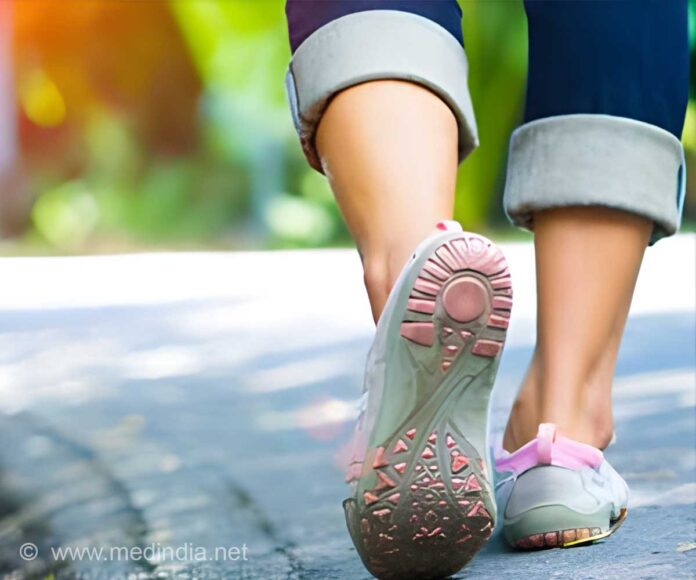
A simple 10-minute walk after meals may support digestion and help control blood sugar levels.
- Walking for 10-15 minutes after meals may help reduce blood sugar spikes
- Light post-meal movement supports digestion and reduces bloating
- Consistent daily walking can improve metabolic and digestive health
Many health trends on social media attract attention for unusual names and simple promises. One such trend gaining popularity is the so-called fart walk. The term refers to taking a short walk after meals to aid digestion and reduce blood sugar spikes (1). Despite the humorous name, the concept behind it has scientific support. Health experts have long recommended light movement after meals for metabolic benefits.
Post-meal walking helps the body process nutrients more efficiently after eating. Instead of remaining sedentary, gentle movement activates muscles that use glucose for energy. This process can lower the rise in post-meal blood sugar levels. Several studies in journals such as Nutrients highlight the benefits of light activity after eating (2). A short walk can therefore support metabolic health and digestive comfort.
What Is The Viral Fart Walk Trend
The viral fart walk trend refers to a light walk taken shortly after eating meals. The idea originated from the belief that walking helps release digestive gas and discomfort. While the name may sound playful, the underlying habit focuses on simple physical movement. This practice promotes digestive activity and gentle gut movement after meals.
Many people experience bloating or heaviness after large meals. Walking can stimulate intestinal movement and reduce these symptoms. Gentle activity encourages food to move through the digestive system more efficiently. This may help the body process nutrients without excessive discomfort. The growing popularity of this trend reflects increasing interest in digestive health.
How Walking After Meals Affects Blood Sugar
After eating, blood glucose levels naturally rise as carbohydrates are broken down. If the body remains inactive, glucose levels may rise more sharply. Light physical movement encourages muscles to absorb glucose from the bloodstream. This process improves glucose regulation and reduces sudden spikes in blood sugar.
Research published in Nutrients shows that even brief walking sessions after meals can improve glucose control. Participants who walked for 10-15 minutes experienced lower blood sugar levels (3). These findings highlight the value of short bursts of movement during the day. Walking, therefore, offers a practical strategy for supporting blood sugar stability.
Digestive Benefits Of Post Meal Walking
Walking after meals can support the digestive process in several ways. Gentle movement stimulates muscles involved in digestion and intestinal transport. This helps food move smoothly through the gastrointestinal tract. Improved digestion reduces feelings of bloating and heaviness after eating. Many individuals find that post-meal walking promotes greater comfort.
Movement may also encourage the release of digestive gases that cause abdominal pressure. This effect likely contributed to the playful nickname associated with the trend. While the term may sound amusing, the physiological explanation is straightforward. Light activity supports normal gut function and metabolic balance. Consistent walking may therefore enhance digestive efficiency.
How Long Should You Walk After Eating
Experts generally recommend walking for 10-15 minutes after meals. This duration provides metabolic benefits without placing strain on the body. The pace should remain comfortable rather than vigorous. Gentle walking allows the body to focus on digestion while maintaining movement. Maintaining moderate activity is sufficient for most individuals.
Walking immediately after meals may feel uncomfortable for some people. Waiting ten minutes before starting a walk may help improve comfort. The goal is to keep the activity light and relaxed. Consistency matters more than intensity when developing this habit. Short walks performed daily can contribute to better metabolic health.
Who Can Benefit From Post-Meal Walking
Many people can benefit from walking after meals, including those with sedentary lifestyles. Individuals with prediabetes or insulin resistance may find this habit particularly helpful. Post-meal movement helps improve how the body handles glucose. This makes walking a valuable tool for blood sugar management.
Older adults may also benefit from gentle movement after eating. Walking supports circulation, digestion, and general well-being. People with diabetes should consult healthcare professionals for personalized advice. When practiced regularly, this simple activity supports long-term healthy lifestyle habits.
Frequently Asked Questions
What is a fart walk?
A fart walk refers to a short walk after meals that helps digestion and may reduce blood sugar spikes.
How long should you walk after eating?
Experts recommend walking for about 10-15 minutes after meals.
Can walking after meals reduce blood sugar?
Light activity after meals helps muscles use glucose and may reduce blood sugar spikes.
Is it safe to walk immediately after eating?
Most people can walk lightly after eating, although waiting a few minutes may improve comfort.
Who should try post-meal walking?
Anyone seeking better digestion or blood sugar control may benefit from short walks after meals.
References:
- The Effects of Postprandial Walking on the Glucose Response after Meals with Different Characteristics
(Bellini A, Nicolò A, Bazzucchi I, Sacchetti M. The Effects of Postprandial Walking on the Glucose Response after Meals with Different Characteristics. Nutrients. 2022 Mar 4;14(5):1080. doi: 10.3390/nu14051080. PMID: 35268055; PMCID: PMC8912639.) - Exercise Prescription for Postprandial Glycemic Management
(Bellini A, Scotto di Palumbo A, Nicolò A, Bazzucchi I, Sacchetti M. Exercise Prescription for Postprandial Glycemic Management. Nutrients. 2024 Apr 14;16(8):1170. doi: 10.3390/nu16081170. PMID: 38674861; PMCID: PMC11053955.) - The Effects of Postprandial Walking on the Glucose Response after Meals with Different Characteristics
(Bellini A, Nicolò A, Bazzucchi I, Sacchetti M. The Effects of Postprandial Walking on the Glucose Response after Meals with Different Characteristics. Nutrients. 2022 Mar 4;14(5):1080. doi: 10.3390/nu14051080. PMID: 35268055; PMCID: PMC8912639.)
Source-Medindia