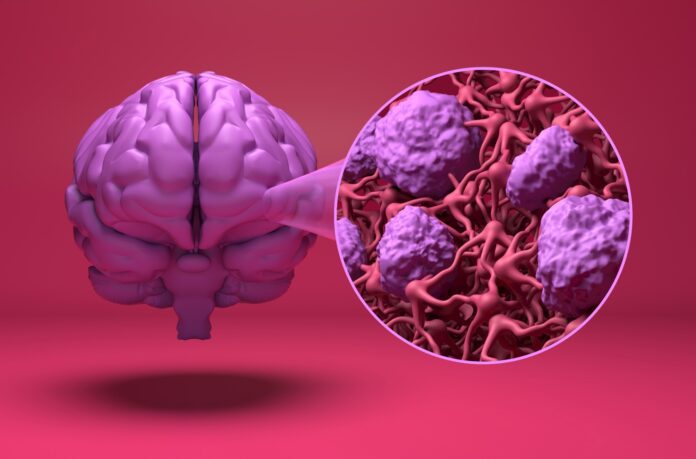
A nearly 12-year analysis of more than 66,000 matched adults suggests that where a blood pressure drug can travel in the body may matter for long-term brain health.
Study: Blood–brain barrier crossing of antihypertensives and risk of dementia: a comparative analysis. Image Credit: Nemes Laszlo / Shutterstock
In a recent study accepted for publication in the journal Scientific Reports, researchers examined the association between the use of blood-brain barrier (BBB)-crossing and BBB-non-crossing antihypertensive medications (AHMs) and dementia risk.
Dementia represents a significant health challenge worldwide and is projected to affect 152 million people by 2050. Hypertension is one of the modifiable risk factors associated with cognitive decline and dementia, and its management plays a crucial role in reducing dementia risk. AHMs have attracted substantial attention for their potential neuroprotective effects, suggesting a role in the prevention of dementia that may extend beyond blood pressure (BP) regulation.
Observational studies indicate that BBB-crossing AHMs may confer greater neuroprotection than BBB-non-crossing AHMs. Nevertheless, evidence from randomized controlled trials is lacking. Furthermore, while AHMs are generally deemed to be equivalent in their BP-lowering efficacy, their broader effects on the prevention of dementia across major drug classes are poorly defined.
About the study
In the present study, researchers compared dementia risk among users of BBB-crossing and BBB-non-crossing AHMs. They used data from the 45 and Up study, which included 267,357 people aged ≥ 45 years in New South Wales, Australia. Baseline and follow-up surveys captured demographic, health, and behavioral data, which were linked to hospital records, outpatient mental health encounters, emergency department visits, prescription dispensing data, and mortality records.
The study included participants with hypertension who initiated treatment with a BBB-crossing AHM or a BBB-non-crossing AHM between January 2004 and June 2022. Individuals diagnosed with dementia before a hypertension diagnosis were excluded. AHMs included BBB-crossing β-blockers (BBs), angiotensin-converting enzyme inhibitors (ACEIs), angiotensin II receptor blockers (ARBs), and calcium channel blockers (CCBs), as well as BBB-non-crossing BBs, ACEIs, ARBs, CCBs, and thiazides.
Medication exposure was assessed across the entire follow-up period using the proportion of days covered. Participants were classified as BBB-crossing or non-crossing users when drugs in that category covered at least 80% of follow-up and exposure to the other category remained below 80%, allowing the analysis to account for treatment switching and combination therapy.
Participants were followed up from the date of the first AHM prescription until the diagnosis of dementia, death, or June 30, 2023. Dementia incidence was the primary outcome of the study. Secondary outcomes were dementia-related mortality and all-cause mortality. BBB-crossing AHM and non-crossing AHM users were matched based on sex, follow-up duration, age, and smoking status using propensity scores. Hazard ratios (HRs) for outcomes were estimated using Cox proportional hazards regression.
Subgroup analyses were performed by sex and AHM class. Primary and subgroup analyses were adjusted for physical activity, dietary habits, comorbidities (e.g., heart failure, diabetes, stroke, schizophrenia, dyslipidemia, depression, atrial fibrillation, and coronary heart disease), and concurrent medication use. One sensitivity analysis excluded participants with a hypertension diagnosis solely based on AHM use, and the other accounted for death as a competing risk.
Findings
In total, 85,363 participants from the 45 and Up study were eligible for inclusion. After propensity-score matching, each group had 33,305 subjects, with an average age of 66.9 years and a mean follow-up of 11.9 years. Most participants were female (53.2%). Before matching, the two groups differed in heart failure prevalence and follow-up duration. However, covariates were well balanced between groups after matching.
Dementia incidence and the rates of all-cause and dementia-related mortality per 1,000 person-years were 6.7, 21.4, and 2.8 in BBB-crossing AHM users and 8.1, 26.2, and 3.4 in BBB-non-crossing AHM users, respectively. BBB-crossing AHM users had significantly lower risks of all three outcomes than BBB-non-crossing AHM users, with HRs being 0.84 for dementia, 0.83 for all-cause mortality, and 0.85 for dementia-related mortality.
In sub-group analyses, male and female users of BBB-crossing AHMs had a lower dementia risk, with no statistically significant difference in the association by sex. By AHM drug class, BBB-crossing ARBs and BBs were associated with a lower risk of dementia compared to BBB-non-crossing ARBs and BBs, respectively. The risk of dementia was not significantly different between BBB-crossing and BBB-non-crossing CCBs or ACEIs. Sensitivity analyses corroborated the robustness of the primary findings.
Conclusions
In summary, the use of BBB-crossing AHMs was associated with a 16% lower risk of dementia compared with the use of BBB-non-crossing AHMs. BBB-crossing BBs and ARBs showed the strongest associations with lower dementia risk. The study’s limitations include its observational design (which precludes causal inference), potential residual confounding, lack of differentiation among dementia subtypes, absence of detailed data on BP, hypertension severity, and the clinical indication for prescribing particular AHMs, and inconsistencies in or incomplete evidence for the classification of BBB permeability for certain drugs.
Overall, the results suggest that BBB crossing may be relevant to future AHM selection, especially for at-risk older individuals, although the findings are not yet sufficient to guide clinical decision-making. Further randomized controlled, biomarker, and mechanistic studies are required to elucidate how BBB-crossing AHMs contribute to the observed associations and to confirm causality.
Journal reference:
- Belachew EA, Peterson GM, Salahudeen MS, Bezabhe WM (2026). Blood–brain barrier crossing of antihypertensives and risk of dementia: a comparative analysis. Scientific Reports. DOI: 10.1038/s41598-026-68950-4, https://www.nature.com/articles/s41598-026-68950-4