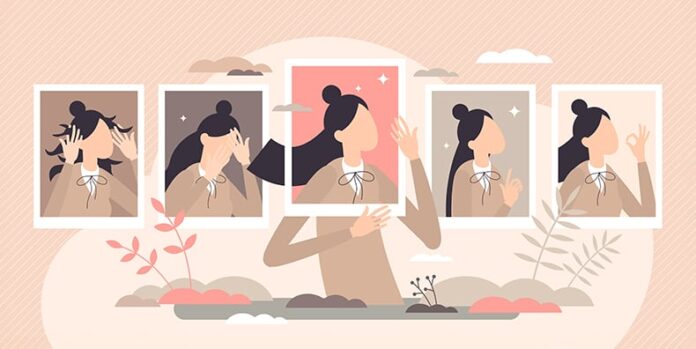
The bipolar spectrum includes baseline temperaments like hyperthymia, dysthymia, and cyclothymia, which can change how treatment targets are set.
Key Takeaways
- Bipolar is a broad spectrum, not a single experience, and it can range from subtle shifts to episodes that seriously disrupt life.
- Some mood patterns reflect a baseline temperament (hyperthymic, dysthymic, cyclothymic, or irritable) rather than a temporary episode.
- Cyclothymia involves frequent mild ups and downs that can feel unpredictable and not clearly tied to life events.
- Treatment goals work best when they’re personalized toward better functioning and less suffering, not necessarily eliminating every symptom.
______________
What is “bipolar”? It’s encouraging that attempts to answer that question have made more progress in just the last five years than in the previous 25. I’ll present some of that progress in coming essays here. But one thing is already clear: “Bipolar” is a big umbrella, covering a broad range of experiences.
The Broad Spectrum of Bipolar Experiences
Some versions interfere with a person’s ability to function. A severe depression certainly does. A manic episode can wreck finances, relationships, and employment. But some bipolar variations are much less severe. Some are so subtle they’re almost impossible to recognize. And there’s more to “bipolar” than episodes. There’s also a baseline “temperament.”
Let’s look at these variations to see the full range of “bipolarity.” (You may even recognize these traits in some of your relatives).
Hyperthymia: A Little Up, All the Time
Manic symptoms can be subtle; it’s often like having a good day: life is fun, laughing is easy, being social is easy, and confidence is good (for once?). Stuff is getting done, activities are efficient and effective. That’s “hypomania,” right? It can be so subtle there’s no way to tell it apart from “normal” feelings — meaning how people who don’t live with bipolar feel much of the time.
But some people with this subtle “up” never cycle down. They just live up there, all the time. They’re gregarious, they talk fast, they think very fast, they’re funny, and they have plenty of energy. They often become leaders or entrepreneurs. Sounds pretty lucky, doesn’t it?
That’s sunny hyperthymia, and it’s what most people mean when they use the term. But there is also irritable hyperthymia (where people are just at the edge of being angry all the time) and anxious hyperthymia (which could also be called by the official term “generalized anxiety disorder”). In other words, in hyperthymia, energy is up all the time. But just as with full mania, it’s not always euphoric.
This certainly complicates a “diagnosis.” If there are multiple ways to have “too much energy,” and some are so subtle they’re not clearly different from “normal,” it starts to sound like a broad, fuzzy cloud of variations. It isn’t a “thing” one either has or doesn’t have.
But psychiatry has been trying to unfuzzy itself since Freud! So, a yes/no diagnostic approach has hung on for over two decades, despite widespread and increasing recognition that a spectrum view of bipolar better suits reality.
The picture is even fuzzier when we add “temperament.” But first, let’s apply a spectrum way of thinking to depressions and cycling.
Dysthymia: A Little Down, All the Time
This is the mirror image of hyperthymia. Take feelings that anyone could have on a bad day: low energy, difficulty having fun, low confidence, not feeling very social, and having a negative view of people and events. Now imagine a subtle version: just a little gloomy, right?
Just as some people are lucky and get the euphoric version of hyperthymia, some people are unlucky and get the gloomy version of life. Their experience is not so bad as to call it major depression, but it’s in the same family. And there are all possible variations in between, from severe (which a mental health specialist might call major depression) to mild, sort of like Eeyore, the sad donkey in Winnie the Pooh, whose typical approach to a day is captured in this quote: “Good morning, Pooh Bear. If it is a good morning, which I doubt.”
The term “dysthymia” was a separate psychiatric diagnosis for many years: a “chronic, low-grade depression for at least two years, never without symptoms for more than two months.” In 2013, the DSM-5 changed the label to persistent depressive disorder, but it’s the same idea.
In other words, dysthymia itself is not always “bipolar.” People can even have dysthymia and major depression, referred to as “double depression” — always a little down but then having a phase of severe depression on top.
If all this sounds confusing, it is! The reality is a big fuzzy cloud of many variations: severity from zero to mild to terrible, and lengths from brief to long to constant. DSM labels just identify waypoints in the cloud. Here’s one more waypoint: “cyclothymia.”
Cyclothymia: The Ups and Downs
Combine hyperthymia (including the non-euphoric versions) and dysthymia, and you have “cyclothymia”— mild ups and downs that are not severe enough to warrant being called mania or major depression. Typically, people with cyclothymia have many up-down cycles per year. On any given day, you wouldn’t know what mood they’d be in, and it wouldn’t be predictable based on what was going on in their lives. Sometimes bad events could be dismissed with a laugh; on other days, even good news wouldn’t seem worth getting excited about.
Defining Your Baseline Temperament
For a final twist, these three mood states can be temporary phases, or they can be a constant background, a mood that people just live in nearly all the time. Bipolar mood episodes are often superimposed on these baseline mood states.
Imagine what this means for treatment. Prescribers shouldn’t necessarily try to treat away hyperthymia once a full manic episode is over: It might be your baseline. And therapists shouldn’t expect everyone to have zero depression symptoms: Some people’s baseline mood state is a mild dysthymia. Some people with bipolarity have ups and downs without those mood shifts necessarily indicating that bigger shifts are coming.
You can see how this suggests that some people need individualized treatment planning. What is the goal? It isn’t necessarily zero symptoms. What is a person’s temperament? Knowing this would help inform treatment targets and expectations.
How Temperament Shapes Your Treatment Goals
How do you know what your temperament is? Most people have a pretty good idea if they’re way out on one end of the spectrum for:
1. Dysthymic
2. Cyclothymic
3. Hyperthymic
4. Irritable
A standard “test” of temperament is called the TEMPS-A. It’s pretty fuzzy! But if you’re curious, you can look at an online version, courtesy of my colleague and coauthor Chris Aiken, MD, a psychiatrist based in Winston-Salem, North Carolina. The four sections correspond to those four temperaments. The more boxes you check, the more you tend toward the outer end of the spectrum for a given temperament (in the order above).
Embracing Your Unique Path to Stability
There are many variations of bipolar, from mild to severe, and from mainly depression to primarily manic (the latter is rare). Mood cycles can vary from short to long, or there may be no cycling at all, but rather a baseline mood that itself is shifted away from where most people seem to live. Finally, people with bipolar commonly have mood cycling on top of a shifted baseline temperament.
This doesn’t make treatment difficult or challenging. It just calls for more personalizing of treatment goals. Thus, a final caution: Just because someone probably has a depressive temperament doesn’t mean they should give up trying to feel and function better. Mindfulness, gratitude, and cognitive-behavioral therapies may be especially important. But recognizing a depressive temperament can help avoid the disappointments and side effects, and risks of trying one antidepressant after another: The goal of treatment shifts toward better functioning and less suffering, rather than eliminating depression per se.
References: