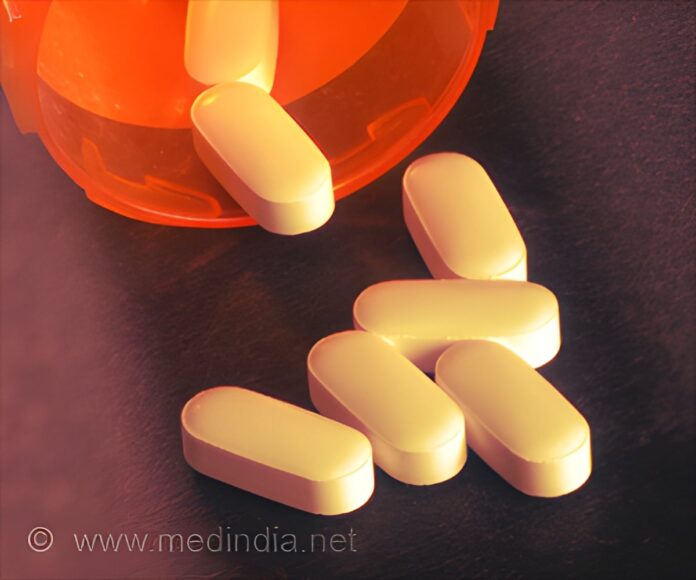
People taking atorvastatin or another statin are being encouraged to check possible drug interactions and report unexplained muscle symptoms. Evidence shows that most patients tolerate statins well and that their cardiovascular benefits generally outweigh the small risk of serious side effects.
Could a medicine prescribed to prevent heart attacks and strokes become risky when combined with certain antibiotics, antifungals or even grapefruit juice?
Statins are widely used to lower cholesterol and prevent cardiovascular disease. Most people tolerate them well, but some medicines and foods can increase statin levels in the bloodstream, raising the risk of muscle-related side effects.
Statins Lower Cholesterol and Cardiovascular Risk
Statins lower low-density lipoprotein cholesterol, commonly known as LDL or “bad” cholesterol. High LDL levels can contribute to fatty deposits building up inside arteries, increasing the risk of heart attacks, strokes and other forms of cardiovascular disease.
Large clinical trials have consistently shown that lowering LDL cholesterol with statins reduces major cardiovascular events. The benefit is generally greater for people who already have cardiovascular disease or face a higher underlying risk.
NICE recommends offering atorvastatin for primary prevention to adults with a 10-year QRISK3 cardiovascular risk of 10% or higher. Statins are also recommended for many people who have already experienced cardiovascular disease.
Statin Side Effects May Be Less Common Than Feared
Statins can cause side effects, but many people experience no problems or only mild symptoms.
Reported effects may include:
- Headache
- Dizziness
- Nausea or digestive discomfort
- Constipation or diarrhoea
- Tiredness
- Muscle aches
- Sleep problems
A large analysis of almost 155,000 participants from 23 randomized trials found that more than 90% of muscle-symptom reports among people receiving statins were not caused by the medicine. Statins produced only a small increase in muscle pain or weakness, mainly during the first year of treatment.
This does not mean muscle symptoms should be ignored. It means pain developing while someone takes a statin is not automatically proof that the medicine caused it.(1✔ ✔Trusted Source
Efficacy and safety of more intensive lowering of LDL cholesterol: a meta-analysis of data from 170 000 participants in 26 randomised trials-
Go to source)
Severe Muscle Damage Is Rare but Requires Attention
Statins can rarely cause
An even more serious form of muscle injury, called rhabdomyolysis, can release muscle proteins into the bloodstream and potentially damage the kidneys. This complication is rare, but its risk can increase with high statin exposure or certain drug combinations.
People taking atorvastatin should seek prompt medical advice if they develop:
- Severe or unexplained muscle pain
- Significant muscle weakness or cramps
- A high temperature accompanying muscle symptoms
- Red, brown or unusually dark urine
- Yellowing of the skin or eyes
- Severe abdominal pain
The NHS advises patients who suspect a serious atorvastatin side effect to contact NHS 111. Mild or persistent symptoms should be discussed with a doctor or pharmacist.
Drug Interactions Can Increase Statin Side-Effect Risk
Atorvastatin and simvastatin are processed partly through the CYP3A4 enzyme system. Certain antibiotics, antifungals, antivirals, heart medicines, immunosuppressants, blood-thinning drugs and herbal products can interfere with this process, increasing statin levels or altering their effectiveness.
A healthcare professional may adjust the dose, temporarily pause treatment or prescribe a different statin. Patients should therefore tell their doctor or pharmacist about every medicine, supplement and herbal product they use. (1✔ ✔Trusted Source
Efficacy and safety of more intensive lowering of LDL cholesterol: a meta-analysis of data from 170 000 participants in 26 randomised trials-
Go to source)
Grapefruit Affects Some Statins More Than Others
Grapefruit can block CYP3A4 enzymes in the intestine, allowing more atorvastatin or simvastatin to enter the bloodstream.
The NHS advises people taking atorvastatin to avoid excessive grapefruit juice and limit consumption to no more than one or two small glasses a day. People taking simvastatin are generally advised to avoid grapefruit juice.
Pravastatin and rosuvastatin are processed differently and are less affected by grapefruit-related CYP3A4 interactions. However, they can still interact with other medicines.
Patients should check the instructions for their specific statin instead of assuming that the same restrictions apply to every cholesterol-lowering medicine.
Blood Sugar Changes Are Small but Worth Monitoring
Statins can cause a small increase in blood glucose and may slightly raise the likelihood of a diabetes diagnosis, particularly among people whose glucose levels are already close to the diagnostic threshold.
However, people with diabetes or prediabetes often have a higher cardiovascular risk and may therefore gain substantial protection from statin treatment.
NICE advises that statins should not be stopped solely because blood glucose or glycated haemoglobin levels increase. Cardiovascular benefits and metabolic risks should be considered together. (1✔ ✔Trusted Source
Efficacy and safety of more intensive lowering of LDL cholesterol: a meta-analysis of data from 170 000 participants in 26 randomised trials-
Go to source)
Lifestyle Changes Remain an Essential Part of Treatment
Statins should complement rather than replace healthy lifestyle measures.
The NHS recommends reducing foods high in saturated fat, including fatty meats, butter, ghee, cream, cakes and biscuits. Replacing saturated fats with unsaturated fats from foods such as olive oil, nuts and seeds can support healthier cholesterol levels.
Other helpful measures include:
- Eating more fruits, vegetables, whole grains and high-fibre foods
- Maintaining a healthy weight
- Completing at least 150 minutes of moderate exercise each week
- Limiting alcohol intake
- Managing blood pressure and diabetes
Lifestyle improvements can reduce overall cardiovascular risk, but they may not provide sufficient protection for people with established heart disease, familial hypercholesterolaemia or several major risk factors.
Patients Should Not Stop Statins Without Medical Advice
Stopping a statin can allow cholesterol levels to rise again and may reduce protection against heart attacks and strokes.
Anyone concerned about side effects should speak with a doctor or pharmacist rather than discontinuing treatment independently. Possible options include checking for another cause, reviewing interacting medicines, lowering the dose or switching to a different statin.
The decision should be personalized according to the person’s cardiovascular risk, cholesterol response, medical history, other medicines and treatment preferences.
For most people who have been appropriately prescribed statins, evidence indicates that the cardiovascular protection is considerably greater than the risk of serious adverse effects.
References:
- Efficacy and safety of more intensive lowering of LDL cholesterol: a meta-analysis of data from 170 000 participants in 26 randomised trials- (https://pubmed.ncbi.nlm.nih.gov/36049498/)
Source-Medindia