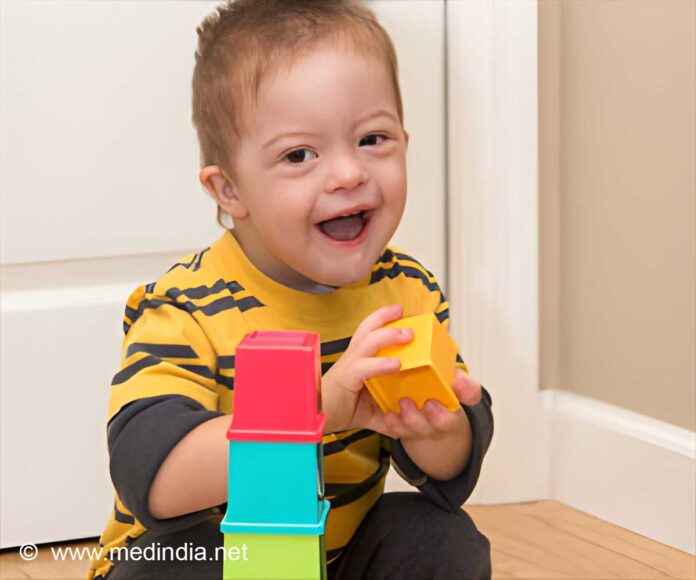
A groundbreaking new study brings hope to families of children born with both Down syndrome and congenital heart disease (CHD). Researchers found that adults managing these conditions still experience a vibrant life—equally engaged in work, volunteering, and community participation as their peers with Down syndrome alone.
Adults born with both Down syndrome and congenital heart disease (CHD) are showing an inspiring ability to flourish, despite living with two major health challenges. According to new research published in Pediatric Cardiology, these individuals report a life filled with engagement—participating in work, volunteering, and enjoying overall quality of life comparable to those with Down syndrome alone.
The investigation, conducted through the Pediatric Heart Network which includes MUSC Shawn Jenkins Children’s Hospital, sheds light on what adulthood looks like for people with dual diagnoses. Senior researcher Dr Andrew Atz, along with lead author Dr Stephanie Gaydos, emphasize that this study may change long-held assumptions while offering fresh hope to families who often wonder: can their children live fulfilled, independent adult lives?
What Links Down Syndrome and Heart Defects?
Down syndrome is a genetic condition caused by an extra copy of chromosome 21. This extra chromosome affects how the body and brain develop. Down syndrome is the most common genetic cause of intellectual disability in the U.S.
Congenital heart disease is a serious health issue that affects nearly half of people with Down syndrome. It occurs when there is a defect in how the heart or blood vessels are formed at birth.
For many families, it’s hard to know what life will look like for children with both conditions.
“I think people want to know, ‘When my child grows up, will they live a normal life? Will they have a good life, a happy, a productive life?’” said Stephanie Gaydos, M.D., associate professor of Pediatrics and lead researcher on the study. “I think those are things that really matter a lot to people.”
To answer those questions, Gaydos designed her study to take a deeper look. She aimed to find out if adults living with a dual diagnosis of Down syndrome and CHD had greater difficulties with their day-to-day lives than those with a diagnosis of Down Syndrome alone. Gaydos, Atz and their team also looked at other important health issues that occur more commonly in people with CHD or people with Down syndrome, like mental health problems or neurologic disorders such as seizures and/or stroke, which can affect quality of life and employment abilities.
The study included 287 adults with Down syndrome, 104 of whom also had CHD, and their caregivers. Participants were invited to complete a comprehensive online questionnaire that assessed medical history, employment/volunteer experience, quality of life, mental health and caregiver burden. Researchers then compared the results between participants with and without CHD. The questionnaire was created and administered using REDCap, a secure, web-based software platform developed at Vanderbilt University to support data capture for research studies, with the help of the REDCap team at the South Carolina Clinical & Translational Research Institute.
Do Adults with Down Syndrome and CHD Have Lower Quality of Life?
Gaydos and her team were heartened by the study’s findings.
“Is community engagement or quality of life worse in adulthood if you also have congenital heart disease?” Gaydos asked. “In our sample, we didn’t find that to be the case, which is fantastic.”
The researchers found that having both Down syndrome and CHD doesn’t hold people back from participating in their communities. Adults with the dual diagnosis are statistically just as likely to hold jobs as those with only Down syndrome and reported more volunteer participation – despite having more neurologic problems. This information sheds light on how these health issues translate into adult-life functioning and also challenges long-held assumptions to offer a hopeful outlook for families and care providers.
Adults with Down syndrome and CHD showed nearly identical employment rates as those without CHD, at 61% and 60%, respectively. Rates of volunteerism were even more striking – 32% of participants with Down syndrome and CHD volunteered in their communities, compared with 19% of participants with just Down syndrome.
Are Employment and Volunteering Roles Affected by CHD?
For Gaydos and Atz, this research is just the beginning. They see this work as a foundation for building a deeper understanding of life with these conditions and tailoring medical care to support long-term success more fully.
“We think it’s a really optimistic finding for patients and their families, for children who are born with both of these health issues,” said Gaydos. “Having a heart defect from birth plus Down syndrome doesn’t necessarily mean that you’ll be at lower odds for having a productive role in the community in adulthood.”
Source-Medical University of South Carolina