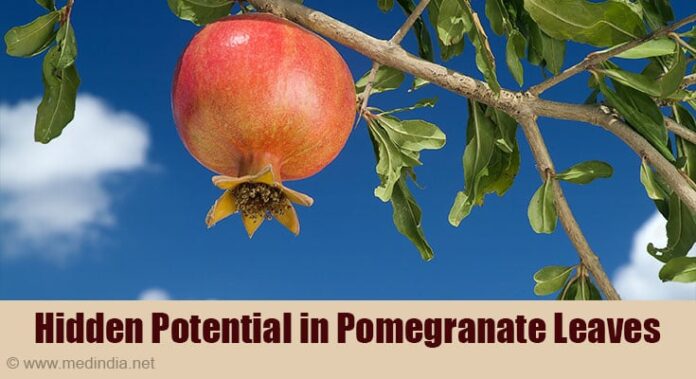
A compound from pomegranate leaves shows promise in breaking transthyretin amyloid clumps linked to ATTR amyloidosis.
- Researchers identified PGG from pomegranate leaves that can break harmful transthyretin amyloid fibrils
- Laboratory and animal studies showed reduced protein aggregation and improved lifespan in a disease model
- The discovery suggests plant compounds may help clear existing amyloid deposits linked to ATTR disease
Scientists may have found an unexpected ally in an overlooked part of a familiar tree.
Research published in iScience reports that a natural compound from
Glycosidic scaffold bearing multiple galloyl moieties from pomegranate disrupts transthyretin amyloids
Go to source
).
In ATTR, a blood protein called transthyretin (TTR) loses its shape and forms sticky strands that can:
Findings From the Pomegranate Compound Screening
Researchers screened 1,509 plant extracts to identify substances capable of disrupting pre-formed TTR amyloid fibrils. Among them, 49 extracts showed activity, but pomegranate extracts stood out because several parts of the plant produced consistent results.
Laboratory tests showed that pomegranate leaf-and-branch extracts reduced amyloid signals by about 65.8 percent. The study also notes that around 25 percent of people over age 80 show cardiac amyloid deposition, illustrating the growing importance of age-related ATTR.
These findings led researchers to investigate pomegranate as a potential natural source of amyloid-disrupting compounds.
The Compound Behind the Discovery: PGG
Scientists isolated the active compound and identified it as PGG (1,2,3,4,6-penta-O-galloyl-β-D-glucose). PGG is a plant-derived tannin molecule naturally found in pomegranate leaves and branches.
Laboratory experiments showed that PGG disrupted amyloid fibrils formed from both mutated and normal versions of transthyretin. Under microscopic imaging, treated samples showed fragmented fibril structures rather than the long, intact fibers seen in untreated samples.
The researchers noted that “PGG shows therapeutic potential for TTR amyloidosis by directly targeting and disrupting pathogenic amyloid aggregates.”
Why Transthyretin Amyloidosis Is Difficult to Treat
Normally, transthyretin proteins circulate in stable structures that transport hormones and vitamins. When these structures fall apart, unstable pieces misfold and form amyloid deposits in tissues.
In hereditary ATTR, symptoms may include:
- Tingling in the feet
- Digestive issues
- Dizziness when standing
In age-related ATTR, people may notice:
- Fatigue
- Irregular heartbeat
- Breathlessness while climbing stairs
Current treatments aim to slow new protein buildup. But once amyloid fibrils have formed, they can remain lodged in organs for years.
Evidence Beyond the Test Tube
To examine the biological effects of the compound, researchers tested PGG in Caenorhabditis elegans, a microscopic worm model engineered to produce fragments of human transthyretin.
Worms treated with PGG showed reduced protein aggregation and lived longer with improved healthspan.
The research team also tested amyloid fibrils extracted from the heart tissue of a patient with hereditary ATTR. PGG disrupted these patient-derived fibrils as well.
Importantly, the compound did not affect amyloid-beta fibrils associated with Alzheimer’s disease, suggesting a more specific interaction with TTR amyloid structures.
Why These Findings Matter
In many amyloid diseases, treatments focus on preventing further protein aggregation. However, deposits that already exist in organs can continue to affect patients for years.
A compound capable of disrupting existing amyloid fibrils could complement current therapies by helping reduce the burden of accumulated deposits.
The Therapeutic Potential of the Pomegranate Leaf Study
PGG remains an early-stage research discovery, and further studies are required to evaluate safety, dosing, and effectiveness in humans.
Even so, the findings highlight the potential of plant-derived molecules in developing future therapies for diseases driven by protein aggregation.
While pomegranate is widely known for its fruit, its leaves and branches may hold new scientific insights into transthyretin amyloidosis research.
Scientific progress often begins with discoveries that seem small but carry meaningful potential. Every new insight into amyloid disorders moves researchers closer to better treatment strategies for patients and families affected by these conditions.
Scientific progress often begins with discoveries that seem small but carry meaningful potential. Every new insight into amyloid disorders brings hope closer for patients, families, and the medical community.
Frequently Asked Questions
Q: What is transthyretin amyloidosis?
A: Transthyretin amyloidosis (ATTR) is a disease in which misfolded transthyretin proteins form amyloid deposits in the heart or nerves, leading to progressive organ damage.
Q: What is PGG in pomegranate leaves?
A: PGG (1,2,3,4,6-penta-O-galloyl-β-D-glucose) is a natural tannin found in pomegranate leaves and branches that can disrupt TTR amyloid fibrils in laboratory studies.
Q: How does PGG affect transthyretin amyloid fibrils?
A: Laboratory experiments showed that PGG breaks apart transthyretin amyloid fibrils, reducing protein aggregation.
Q: Can eating pomegranate treat transthyretin amyloidosis?
A: The research studied isolated PGG in controlled laboratory settings. Eating pomegranate fruit has not been shown to treat transthyretin amyloidosis.
Q: Why is removing amyloid fibrils important in ATTR?
A: Existing treatments mainly slow new protein buildup. Removing amyloid deposits could help reduce ongoing organ damage in transthyretin amyloidosis.
Reference:
- Glycosidic scaffold bearing multiple galloyl moieties from pomegranate disrupts transthyretin amyloids – (https://www.cell.com/iscience/fulltext/S2589-0042(25)02431-9)
Source-Medindia