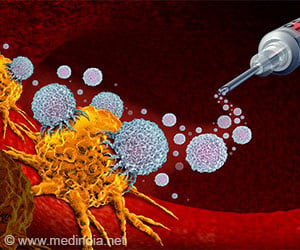
A new approach injects immunotherapy directly into tumours to trigger a powerful whole-body cancer response.
- Direct tumour injection activates a whole-body immune attack
- Early trials show tumour shrinkage and complete remission in some patients
- Safer, faster, and potentially more affordable than traditional immunotherapy
Cancer treatment is rapidly evolving, and one promising approach is immunotherapy using the body’s own immune system to fight cancer. While current treatments have helped some patients, they often come with high costs, serious side effects, and limited success rates!
A newer strategy, injecting immune-activating drugs directly into tumours, is now gaining attention as a safer, targeted response which can be potentially more powerful!
One Shot in the Tumour: A Whole-Body Cancer Attack
Instead of sending drugs throughout the body, scientists are now injecting immunotherapy straight into the tumour.
Intratumoral immunotherapy (ITIT) works by activating the body’s immune system right inside the tumour. This quickly trains immune cells, especially T cells, to recognise and attack cancer.
The response starts within a few days, so it doesn’t delay surgery. Once activated, these immune cells don’t just attack the treated tumour; they can also travel throughout the body and destroy cancer in other areas, helping to control its spread (metastasis).
This approach is still evolving, with many treatment options being studied to find the best combinations, doses, and timing. But overall, ITIT shows strong promise as a fast, targeted, and safer addition to modern cancer treatment.
This “local-to-global” response is known as the abscopal effect, where even non-injected tumours shrink or disappear. (1✔ ✔Trusted Source
Intratumoral immunotherapy prior to cancer surgery, a promising therapeutic approach
Go to source)
Injecting Immunotherapy Straight into the Tumour: Did This Actually Work?
The results of a small phase 1 clinical trial of a redesigned CD40 therapy, known as 2141-V11, have now been published in Cancer Cell.
- Six of the 12 study participants’ tumours shrank
- Two of those patients went into complete remission, which means their cancers disappeared completely.
“Seeing these significant shrinkages and even complete remission in such a small subset of patients is quite remarkable,” says first author Juan Osorio, a visiting assistant professor at Ravetch’s Leonard Wagner Laboratory of Molecular Genetics and Immunology and a medical oncologist at Memorial Sloan Kettering Cancer Center.
“This effect — where you inject locally but see a systemic response — that’s not something seen very often in any clinical treatment,” Ravetch says. “It’s another very dramatic and unexpected result from our trial.” (2✔ ✔Trusted Source
Scientists inject one tumor and watch cancer vanish across the body
Go to source)
Reprogramming the Tumour Environment With Immunotherapy
Tumours usually hide from the immune system by creating a protective, suppressive environment.
In general, CD40 (which belongs to the tumour necrosis factor (TNF) receptor superfamily) is like a “switch” on certain immune cells. When this switch is turned on, it tells the immune system to wake up and fight, especially against threats like cancer. It further generates cancer-targeting T cells, generating a stronger anti-cancer response.
But what the researchers found was beyond just giving hope and actually treating cancer. In 2018, Ravetch’s team engineered the antibody 2141-V11 with support from Rockefeller’s Therapeutic Development Fund, founded by trustee Julian Robertson and continued by the Black Family Foundation.
The redesigned antibody is specially made to attach more strongly to CD40 (a protein on immune cells like dendritic cells, B cells, and macrophages that helps activate and guide T cells to fight disease) on immune cells. It’s also engineered to connect better with other helper parts (specific Fc receptor) of the immune system.
Laboratory studies showed the new design was about 10 times more effective at triggering an immune attack against tumours.
From IV Drip to Direct Tumour Shot: Redefining CD40 Therapy
Researchers also changed how the drug was delivered. Traditionally, CD40 therapies were given through intravenous infusion. Because CD40 receptors exist throughout the body, many healthy cells would absorb the drug, leading to toxic side effects.
Instead, the team injected the treatment directly into tumours. “When we did that, we saw only mild toxicity,” Ravetch says.
These findings laid the groundwork for the phase 1 clinical trial, which aimed to determine a safe starting dose and better understand how the therapy works in patients.
In some patients, tumours were even replaced by immune cell clusters resembling mini lymph nodes, which are linked to better outcomes.
Why CD40 Therapy Is Faster, Safer, and More Practical
This approach has several real-world advantages:
- Faster treatment within days of injection
- Low-dose safer option—avoiding widespread inflammation seen in traditional immunotherapy
- More affordable option as it uses smaller drug quantities and also reduces the need for prolonged treatment
- Can be given before tumour removal without delaying surgery
Targeting Hidden Cancer and Preventing Relapse
One of the most difficult challenges in cancer is micrometastasis (which is a small, undetectable cancer spread that causes relapse).
Intratumoral therapy helps by:
- Activating immune cells that travel and kill hidden cancer
- Long-term immune memory response
- Lowering the risk of cancer recurrence
This makes it a very promising treatment as a neoadjuvant treatment.
What’s Next on Immunotherapy?
While results are exciting, challenges remain:
- Not all patients respond
- Scientists are working to identify who benefits most
- Larger clinical trials are underway across multiple cancers
The goal is to make this therapy more predictable, widely available, and even more effective when combined with other treatments. If 100% success is achieved in transforming tumours into their own vaccine, this approach could provide a powerful, targeted, and safer way to fight cancer.
If ongoing research continues to deliver, this strategy may soon become a key part of future cancer care, especially in making advanced treatments more accessible worldwide.
Frequently Asked Questions
Q: What is intratumoral immunotherapy (ITIT)?
A: It is a treatment where immunotherapy drugs are injected directly into the tumour to activate the immune system locally and systemically.
Q: How is this different from traditional immunotherapy?
A: Traditional methods deliver drugs through the bloodstream, while ITIT targets the tumour directly, reducing side effects.
Q: What is the abscopal effect in cancer treatment?
A: It is when treating one tumour leads to the shrinkage of cancer in other parts of the body.
Q: Is CD40 therapy safe?
A: Early trials show fewer side effects compared to older methods, but more research is needed.
Q: Can this treatment cure cancer completely?
A: Some patients in early trials achieved remission, but it is still under study.
Q: Who can benefit from this therapy?
A: It may help patients with cancers like melanoma, breast cancer, and others, but trials are ongoing.
Q: Is this treatment available now?
A: No, it is currently in clinical trials and not widely available yet.
References:
- Intratumoral immunotherapy prior to cancer surgery, a promising therapeutic approach – (https://pmc.ncbi.nlm.nih.gov/articles/PMC12213915/)
- Scientists inject one tumor and watch cancer vanish across the body – (https://www.sciencedaily.com/releases/2026/03/260315225121.htm)
Source-Medindia