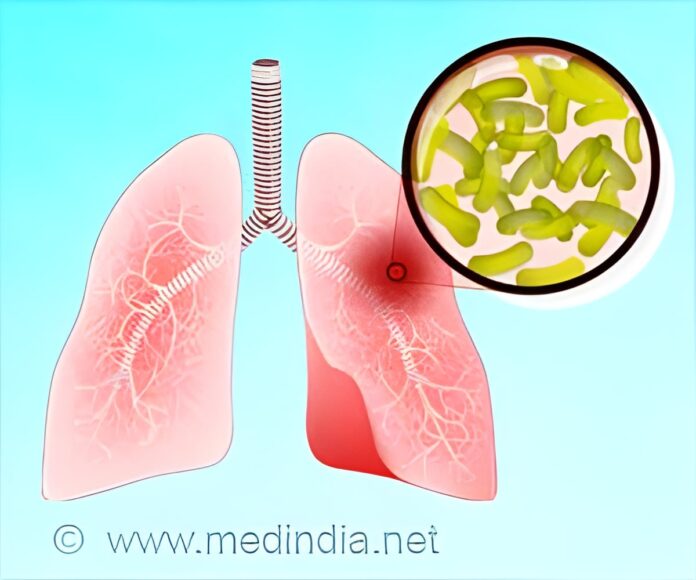
About 75% of patients in Sri Lanka have pulmonary tuberculosis, with 5,500 spreading the bacteria. Early screening stops the spread.
National Programme for Tuberculosis Control and Chest Diseases (NPTCCD) reveals that Tuberculosis (TB) remains one of the world’s oldest and most persistent health threats. In a recent briefing, health officials confirmed that in Sri Lanka around 8,500 and 9,500 TB cases are detected annually.(1✔ ✔Trusted Source
National Programme for Tuberculosis Control and Chest Diseases
Go to source
)
In 2025 alone, 8,726 cases were recorded in Sri Lanka. Further, experts estimate that approximately 5,000 people are currently living with undiagnosed TB.
What is Tuberculosis?
Tuberculosis is an infectious disease (contagious) caused by a bacterium called Mycobacterium tuberculosis.
While the bacteria can attack any part of the body, including the kidneys, spine, or brain, it most commonly affects the lungs known as pulmonary tuberculosis.
It is important to distinguish between two states of the disease:
- Latent TB: Latent Tuberculosis Infection (LTBI) is a dormant infection where bacteria stay in the body without causing symptoms or spreading to others.(3✔ ✔Trusted Source
Implementation of prophylactic treatment for tuberculosis in Sri LankaGo to source
) While inactive, it can transform into active state causing serious illness if the immune system weakens. Early treatment is vital to clear the infection before it becomes dangerous.
- Active TB: In active TB, the bacteria multiply, causing illness. You feel sick. If the infection is in the lungs, it is contagious. Immediate treatment is crucial to stop the spread and ensure recovery.
How Does Tuberculosis Spread Through the Air?
TB is an airborne disease. It spreads when a person with active TB coughs, sneezes, or speaks loudly, expelling a fine mist of droplets/particles in air.
The released tiny invisible particles of saliva or mucus contain ‘droplet nuclei’ which are so light that they stay suspended in air for several hours. Anyone nearby who breathes in these droplets can become infected.
This condition explains why 45% of Sri Lanka’s cases are concentrated in the densely populated Western Province, specifically in crowded urban areas like Modara, Mattakkuliya, Borella, Wanathamulla, and Grandpass, where close contact is frequent.
What Are the Key Risk Factors for Tuberculosis Infection?
Several underlying conditions or comorbidities and lifestyle factors may heighten the risk of TB infection. They are:(2✔ ✔Trusted Source
Tuberculosis
Go to source
)
- High blood glucose levels (diabetes)
- Suppressed immune system
- Nutritional deficiencies
- Tobacco or alcohol consumption
What Are the Early Warning Signs of Tuberculosis?
Early detection is the only way to bridge the diagnosis gap in 5,000 TB cases. You should consult a physician if you experience:
- A persistent cough
- Unexplained weight loss
- Fever and night sweats
- Coughing up blood
In Sri Lanka, TB affects men more than women; of the cases reported last year (2025), 5,622 were men. This may be due to higher rates of smoking (lifestyle risks) or making delay in seeking medical advice (behavioral delays).
Is Tuberculosis Preventable and Curable? Understanding Your Risk
Around one in four people worldwide carry the TB bacteria. About 5–10% of those infected people will eventually develop the active, serious disease.(2✔ ✔Trusted Source
Tuberculosis
Go to source
) The risk of TB infection is much higher for infants and young children, whose immune systems are still developing.TB is both preventable and curable. Protecting yourself and your family involves a combination of health monitoring and healthy lifestyle habits as follows:
- Vaccination: In Sri Lanka, the
Bacille Calmette-Guérin (BCG) vaccine is a mandatory immunization program for infants and children. It is highly effective at preventing severe, life-threatening forms of TB, preventing mortality risk. - Environmental Controls: TB bacteria actively thrive in stagnant air but are killed by ultraviolet (UV) light from the sun. Keep windows open to ensure fresh air circulation. Allow natural sunlight into living and working spaces.
- The Role of Masks and Physical Barriers: Wearing a mask or covering your mouth with a tissue or elbow while you cough or sneeze, acts as a physical barrier to reduce the spread of airborne TB infection.
How Public Cooperation Can Help End Tuberculosis Crisis in Sri Lanka by 2035
The NPTCCD aims to end TB in Sri Lanka by 2035 by reducing deaths by 95% and new cases by 90%. (3) But this requires public cooperation. To reach this, the NPTCCD is focused on finding 5,000 undiagnosed cases, providing free treatment, and ensuring no family faces high medical costs.
In observance of World Tuberculosis Day 2026, Sri Lanka reaffirms its commitment to the World Health Organization’s (WHO) ‘End TB Strategy.’ Despite the detection of 8,726 cases in 2025, epidemiological estimates suggest a significant diagnosis gap of approximately 5,000 undiagnosed individuals currently within the community.
References:
- National Programme for Tuberculosis Control and Chest Diseases – (https://www.nptccd.health.gov.lk/)
- Tuberculosis – (https://www.who.int/news-room/fact-sheets/detail/tuberculosis#:~:text=Multidrug%2Dresistant%20TB%20(MDR%2D,Tuberculosis%20is%20preventable%20and%20curable)
- Implementation of prophylactic treatment for tuberculosis in Sri Lanka – (https://www.epid.gov.lk/storage/post/pdfs/en_6602904aa6a75_Vol_51_no_10-english.pdf)
Source-Medindia