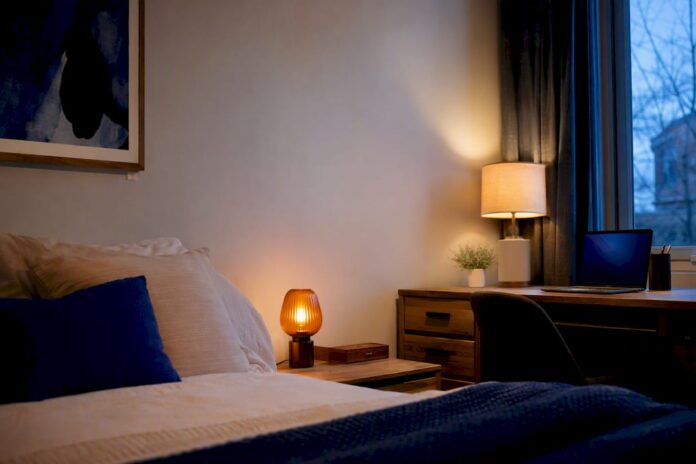
Yes, intentional dorm decor can lower stress and improve sleep. The research is clear enough to act on today. Start with three moves: layer warm, dimmable light instead of relying on the overhead fixture, upgrade your mattress with a topper and breathable sheets, and add one grounding personal object instead of a wall full of trends. Everything else builds from there, and every idea below works within standard dorm no-damage rules.
TL;DR:
- Prioritize a mattress topper, warm dimmable light, and one meaningful personal object, as these offer the highest mental health benefits within dorm rules.
- Layer at least three light sources, including warm, dimmable options, to control ambiance and support natural sleep rhythms effectively.
- Use biophilic elements like a single plant, natural textures, and matte art to reduce stress without creating clutter or needing ongoing maintenance.
- Keep personalization focused and intentional in one area to foster comfort and avoid social comparison-driven stress.
- Incorporate small, impactful advocacy objects like mental health pins or t-shirts to promote open conversations and mental health awareness.
Table of Contents
Mental Health Dorm Decor Ideas That Actually Move the Needle
Not every decor choice carries equal weight. Some items barely register on your nervous system; others change how your body responds to the room within days. This list is ordered roughly by impact, so the top few matter more than the bottom few.
- Mattress topper and breathable sheets. A thin dorm mattress is often the single worst thing in the room for sleep quality, and designers consistently point to bedding as the highest-impact upgrade you can make for both comfort and mood. Buy a topper rated for your mattress size before move-in.
- A dimmable desk lamp. Warm, adjustable light lets you shift from focused study mode to wind-down mode without flipping a harsh switch.
- Warm LED strip lights on a timer. Set them to dim automatically after 10 p.m. so your room nudges you toward sleep instead of fighting it.
- One real or high-quality faux plant. A single plant delivers most of the calming benefit that a whole windowsill jungle would, without the maintenance risk during finals week.
- A matte-finish print instead of glossy poster board. Glossy surfaces catch overhead light unpredictably; matte paper does not throw glare into your peripheral vision while you’re trying to focus.
- A small, natural-fiber rug. Cotton or jute rugs soften a tile floor visually and add a texture cue that reads as “lived in” rather than institutional.
- Removable wallpaper or a fabric tapestry. Command strips and peel-and-stick options let you change the whole feel of a wall with zero deposit risk.
- A storage ottoman. It hides clutter and gives you an extra place to sit, which matters more than it sounds in a room built for one person.
- A shallow desk organizer. Visual clutter on your main work surface raises low-grade tension every time you sit down; a tray or drawer set fixes that fast.
- A diffuser or scented sachet. Lavender, cedar, or citrus in small doses can signal “this is my calm zone” without triggering roommate allergies if kept subtle.
- A white-noise machine or fan. Sound masking matters more in shared halls than most students expect, especially for anxious sleepers.
- A small, curated photo cluster. Three to five real photos beat twenty printed off Pinterest; more on this below.
- One accent color used sparingly. A single throw pillow or blanket in a muted blue or sage green does more for mood than an entire room repainted in your head via string lights.
Pro Tip: If you can only afford three items this semester, buy the mattress topper, the dimmable lamp, and one meaningful personal object. Skip everything else until you’ve lived in the room for a few weeks.
Lighting and Sleep: Why Warm, Layered Light Beats One Bright Bulb
Overhead dorm lighting is almost always a flat, cool-toned flood that has no dimmer and no personality. It does not respect a natural rhythm. Designers recommend layering at least two or three light sources so you can control brightness by task and by time of day, and this is one of the most repeated pieces of advice across dorm decor guidance.
- Use a dimmable desk lamp with a warm bulb (around 2700K) for evening study.
- Add battery-powered puck lights inside a closet or under a shelf for task lighting without wall damage.
- Run a warm LED strip along your headboard or desk edge, set to auto-dim after a set hour.
- Use a clip lamp on your bed frame for reading without waking a roommate.
- Cut screen brightness and switch on night mode after sunset to protect melatonin production.
Small bedding investments pair naturally with better lighting. A mattress topper and breathable sheets do more for sleep quality than almost any other single purchase, and combining that with warm evening light and a consistent screen curfew builds a sleep environment that actually works with your schedule instead of against it.
Pro Tip: Test your lighting at night before buying more. Sit at your desk after dark with just the lamp on. If you still feel like you’re under a fluorescent tube, add a second warm source rather than a brighter one.
Personalization That Grounds You Instead of Draining You
Personal items work because they cue safety, not because they photograph well. A photo of your dog, a blanket from home, or a small keepsake from a friend tells your nervous system “you belong here” in a way that a trending aesthetic never will. Research from Florida State University links closer alignment between a student’s ideal living space and their actual dorm room to fewer depressive and anxiety symptoms, but the same design experts warn that chasing viral makeovers can backfire by fueling social comparison instead of comfort.
- Pick three to six items that mean something specific to you, not items you saw on someone else’s page.
- Concentrate personalization in one zone, like your bed or desk, so the whole room doesn’t turn into visual noise.
- Skip the urge to match a trend just because it’s everywhere online; the pressure to keep up with other students’ rooms is a documented source of stress, not comfort.
- Ask yourself if an item earns its spot because you love it or because you think it should be seen.
Keeping personalization small and intentional also protects your budget and your roommate’s sanity, which matters more over a nine-month lease than any single aesthetic choice.
Biophilic Touches That Lower Visual Stress Without Adding Clutter
Natural cues do real work on your stress response. Biophilic design, meaning the deliberate use of plants, natural textures, and light that mimics the outdoors, produces measurable micro-restorative effects that lower stress and sharpen focus, even in small doses.
- One healthy plant or a convincing faux plant delivers most of the calming benefit without the upkeep risk of a windowsill full of greenery.
- A natural-fiber rug or woven throw adds texture the eye reads as organic rather than manufactured.
- Choose matte art over glossy prints. Unpredictable glare from a shiny surface acts as a tiny, repeated visual jolt every time light hits it wrong, so a lower-glare finish reduces what one design source calls allostatic load, the cumulative wear-and-tear stress puts on your body.
- Size art to roughly a third of the wall it hangs on so it registers in your peripheral vision without crowding a small room.
None of this requires a green thumb or a big budget. A single faux fern and one matte-finish print can shift how a cinderblock room feels within a week.
Storage and Budget Hacks That Cut Clutter-Driven Stress
Clutter is a quiet stressor. A cluttered desk or a floor covered in laundry raises background tension even when you’re not consciously noticing it, and small storage fixes solve most of that problem cheaply.
- Under-bed drawers or bins use dead space most students ignore until move-out day.
- A storage ottoman doubles as seating and hides blankets, shoes, or off-season clothes.
- Command hooks and strips let you hang art, string lights, and small shelves without a security deposit fight, a point Architectural Digest highlights repeatedly for renters and dorm residents alike.
- A washable accent rug handles spills without a trip to the laundromat becoming an emergency.
- A five-minute nightly reset, meaning clothes off the floor and desk cleared, prevents the slow clutter creep that builds into weekend overwhelm.
A smooth move-in transition sets the tone for the whole semester. Rooms that start organized tend to stay that way longer than rooms where storage gets figured out reactively in October.
What the Research Actually Says About Personalizing Your Space
The evidence lines up around a few consistent points. Students whose rooms match their personal vision report better well-being and fewer symptoms of anxiety and depression, but the same research flags social comparison from viral makeovers as a real risk.
- Biophilic elements like plants and natural texture produce genuine, if modest, stress reduction and focus gains.
- Layered, dimmable, warm lighting is the most flexible single tool for shifting a room’s mood across a full day.
- The practical takeaway: put your money and effort into lighting, sleep setup, and one personal or biophilic element before anything decorative.
Artwork and Visuals as Daily Mental Health Cues
What hangs on your wall talks to you every single day, whether you notice it or not. A piece of art you actually connect with does something a trendy poster never will: it gives your eyes a place to land when your brain is spinning. Choose visuals with intention rather than filling wall space for the sake of it.
Motivational quotes decor works when the words are ones you’d actually say to a friend, not generic phrases stripped of meaning. A single framed line that reminds you of a real conversation carries more weight than five inspirational posters bought as a set. The same goes for stress relief wall art built around color and texture rather than busy patterns. Simple, matte, low-contrast pieces tend to feel restful over months, while high-contrast graphic prints can start to feel loud after the first few weeks of living with them.

Consider rotating a small gallery near your bed instead of committing every wall to permanent decor. A rotating photo cluster, updated once a semester, keeps the room feeling alive without turning into a static shrine to freshman year. Advocacy-themed art, the kind that starts conversations instead of just filling space, can do double duty: it looks good, and it gives you and your roommate something honest to talk about when either of you is having a hard week.
Why I Think Decor Is an Underused Form of Advocacy
Every item in a dorm room says something, whether you plan it or not. A button on a corkboard or a small print by your bed can quietly tell a roommate that mental health is something you talk about, not hide. Pick one piece with real meaning behind it before you buy anything else, and let it start a conversation you might not have had otherwise.
— Michelle
Small Advocacy Pieces That Work in a Dorm Setting
Big installs don’t fit dorm rules, and they don’t fit dorm budgets either. What works better is one small, honest object that means something every time you look at it. A mental health awareness button pinned to a corkboard or backpack takes zero wall damage and starts more real conversations than most people expect from something so small. A framed print or a folded mental health t-shirt hung as wall art near your bed can serve as a personal grounding cue and a quiet signal to a roommate that this topic is open for discussion in your room.
The catalog is built around the idea of small, wearable, removable pieces that carry real advocacy weight without needing a big budget or a landlord’s permission. If you want one object that does more than decorate, browse the mental health tank tops or check the mental health buttons page and pick the piece that actually says something you mean.
Sources
This article draws on design research from Florida State University on personalization and student well-being, biophilic design research from the University of Central Arkansas, practical decor guidance from House Beautiful and Architectural Digest, and low-cost DIY ideas from CraftyFlare. For sleep-specific guidance, see Schizophrenic’s sleep hygiene tips.
Recommended
Comments